

The Zero‑Waste Mindset That’s Redefining Fine Dining
When I first stepped into a restaurant that proudly displayed a “zero‑waste” badge, I felt a mix of curiosity and admiration; the idea that a place known for extravagance could also be a champion of restraint was intoxicating. The chef greeted us not with a flourish of flambéed flamboyance, but with a calm explanation of how every peel, stem, and bone has a destiny beyond the trash can, and that philosophy instantly reshaped my expectations of what a fine‑dining experience could be. In this space, luxury is measured not by abundance alone, but by the ingenuity with which the kitchen transforms what most would consider waste into a centerpiece of flavor, texture, and visual intrigue. Zero‑waste fine dining is no longer a gimmick; it is a disciplined art form that demands both culinary mastery and a deep respect for the ecosystem that supplies our plates.
Ingredient Hierarchy: From Scraps to Stars
Traditional fine‑dining kitchens have long honored a hierarchy that places the freshest, most expensive items at the top of the menu, while relegating the humble by‑products to the sidelines; today that hierarchy is being turned upside down. Chefs now treat carrot tops, mushroom stems, and fish bones with the same reverence they once reserved for truffle shavings, crafting broths, sauces, and garnishes that sing with complexity. The process begins with meticulous inventory checks, where each off‑cut is logged and assigned a potential culinary role, ensuring that nothing slips through the cracks of the waste stream. By integrating these elements into the core of a dish, kitchens not only reduce landfill contributions but also unlock flavor layers that would otherwise remain hidden, delivering a richer, more nuanced palate to the diner.
Foraging Partnerships: Turning the Landscape into a Pantry
To truly embody a zero‑waste ethos, many establishments are forging partnerships with local foragers, farmers, and even urban gardeners, extending their sourcing radius beyond conventional markets. These collaborations allow chefs to harvest wild herbs, edible flowers, and seasonal greens that would otherwise be overlooked, adding both sustainability and terroir to the plate. One restaurant I visited works hand‑in‑hand with a community garden that supplies surplus kale stems and beet greens, which are then pickled or pureed into vibrant sauces that accompany the main course. This symbiotic relationship not only reduces food miles but also creates a narrative of place that resonates with diners seeking authenticity. For more inspiration on sustainable sourcing, check out The Green Table, which showcases innovators pushing the envelope on farm‑to‑table practices.
Menu Architecture: Designing Around Conservation
Gone are the days when a tasting menu was a linear progression of increasingly elaborate courses; the modern zero‑waste menu is a carefully choreographed dialogue between flavors, textures, and the story of resourcefulness. Chefs now structure their offerings around “whole‑ingredient” concepts, where each course showcases a different part of the same animal or vegetable, allowing the diner to experience the full spectrum of taste while minimizing surplus. For example, a pork‑centric evening might begin with a crisp pork‑skin chicharrón, move to a velvety marrow‑infused consommé, and conclude with a delicate pork‑blood panna cotta, each plate honoring a distinct anatomical component. This approach not only delights the palate but also educates guests about the value of every cut, fostering a deeper appreciation for culinary craftsmanship.
Edible Vessels and Innovative Plating
Presentation in fine dining has always been a performance, but the rise of edible vessels is turning that performance into a sustainable act. Imagine a consommé served in a hollowed‑out carrot, or a mousse perched atop a crisp beetroot shell; these edible containers eliminate the need for disposable crockery while adding an extra layer of flavor. The visual impact is immediate—diners marvel at the ingenuity, then delight in the fact that every bite contributes to the overall composition of the dish. Beyond aesthetics, these techniques encourage chefs to think creatively about portion control, ensuring that the plate is both beautiful and purposeful, with every element designed to be consumed or composted.
Front‑of‑House Storytelling: Communicating the Waste Narrative
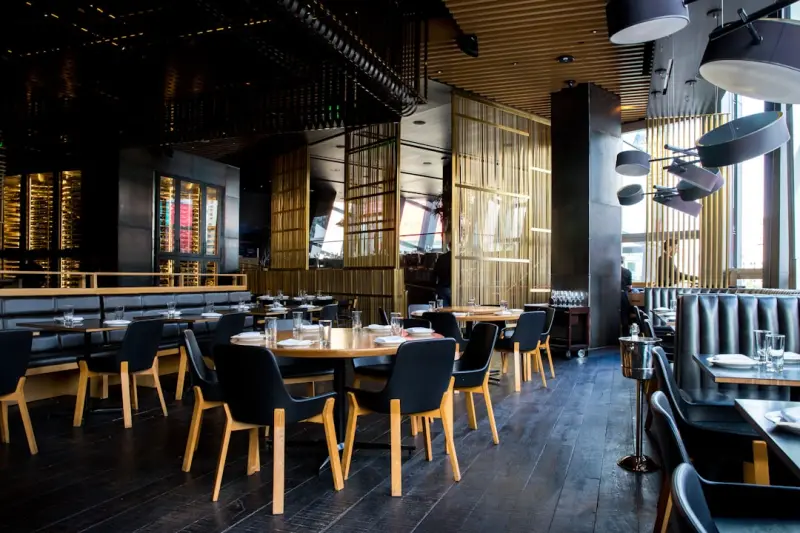
The responsibility for zero‑waste communication does not end in the kitchen; servers and sommeliers play a pivotal role in translating the philosophy to the guest’s experience. Through thoughtfully crafted menu notes and conversational cues, the front‑of‑house team can explain how a garnish was once a discarded stem or how a broth was born from bone‑marrow reduction, turning what might be perceived as “odd” into a point of pride. Ambient design also reinforces this narrative—soft lighting that highlights the natural colors of the food and subtle décor made from reclaimed materials create a cohesive environment. For a deeper dive into how ambiance shapes perception, see Why Restaurant Lighting and Design Matter More Than You Think, which illustrates the power of setting in elevating a chef’s sustainability story.
Metrics, Certifications, and the Michelin Lens
As zero‑waste practices gain traction, industry benchmarks are evolving to recognize environmental stewardship alongside culinary excellence. Restaurants are now pursuing certifications such as the Green Restaurant Association’s certification or the Sustainable Restaurant Association’s award, which provide transparent metrics on waste diversion, energy use, and water conservation. Even the Michelin Guide, traditionally focused on technique and flavor, has begun to acknowledge establishments that demonstrate a genuine commitment to sustainability, awarding stars to chefs who marry artistry with responsibility. These accolades not only validate the hard work of the kitchen brigade but also signal to patrons that a restaurant’s dedication to the planet is as serious as its dedication to taste.
A Personal Reflection on the Future of Fine Dining
Standing at a table where the broth is a crystal‑clear distillation of bones, the garnish a crisp kale stem, and the plate itself an edible work of art, I felt the future of fine dining unfold before me—one where elegance and ecology coexist in perfect harmony. My journey through these kitchens has taught me that the true luxury lies in the thoughtfulness behind each bite, the story of transformation from waste to wonder, and the shared responsibility we hold as diners to support such innovation. As we continue to seek experiences that nourish both body and conscience, I am convinced that zero‑waste fine dining will not just be a niche trend but the new standard for culinary excellence.

Becky Putman is an Ottawa-based freelance writer and marketing professional with a passion for storytelling, animals, and community involvement. She enjoys creating engaging content that informs, inspires, and connects with readers.
Related Posts
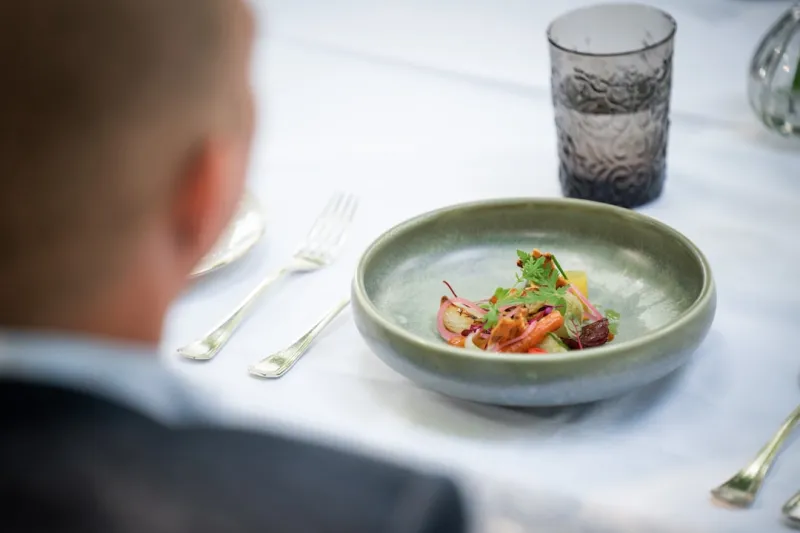
Fine Dining 2026: The Sensory Storytelling Revolution
Fine dining in 2026 has become an immersive, story‑driven experience, blending flavor, sustainabil... Read More
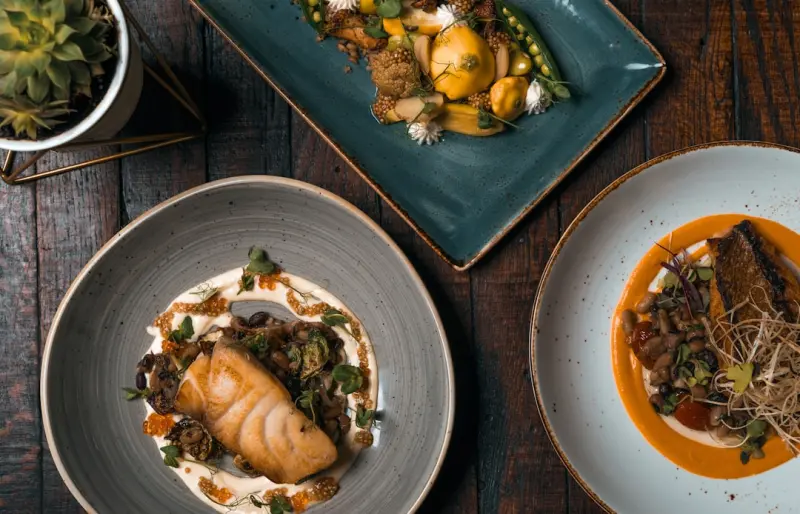
Beyond Silverware: How Tableware Design Rewrites Fine‑Dining Stories
A deep dive into the evolution of plates, glasses, and cutlery, and how their design now tells the s... Read More
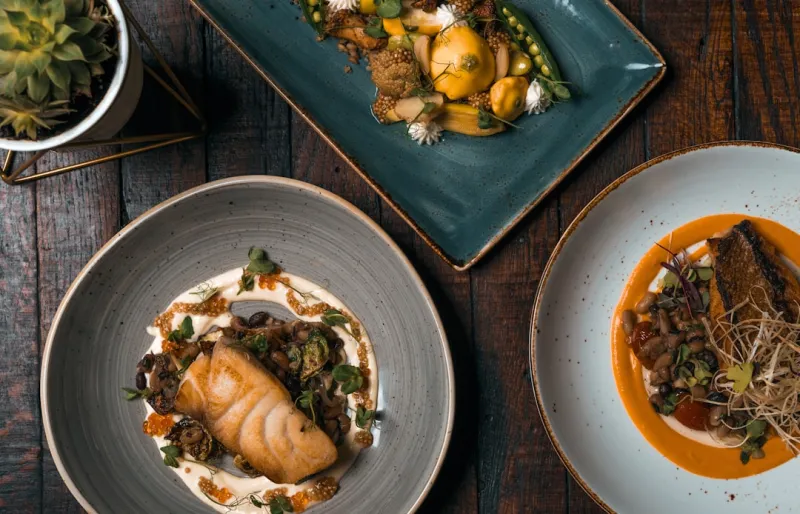
Fine Dining Reimagined: Becky Putman's 2024 Flavor Expedition
Becky Putman dives into 2024's fine‑dining scene, revealing hidden gems, flavor‑first philosophi... Read More
Top Posts
When the Land Becomes the Menu: Hyper‑Local Terroir in Fine Dining
Fine dining is turning its focus to the soil, crafting hyper‑local menus that tell the story of place through ingredients, design, and sustainable practices....Read More

The Digital Renaissance: How AR is Redefining the Fine‑Dining Experience
Discover how augmented reality is turning fine‑dining menus into living stories, creating immersive, personalized experiences that blend technology with culin...Read More
Restaurant Membership Clubs: Unlocking Exclusive Dining Experiences
Explore the rise of restaurant membership clubs, their perks for diners, benefits for eateries, and how to choose the right exclusive dining experience....Read More

Scented Symphony: Crafting Olfactory Narratives in Fine Dining
Discover the power of scent in fine dining and how chefs are weaving aromatic narratives to elevate flavor, mood, and memory for unforgettable meals....Read More
0 Comments
Post Comment
You will need to Login or Register to comment on this post!