
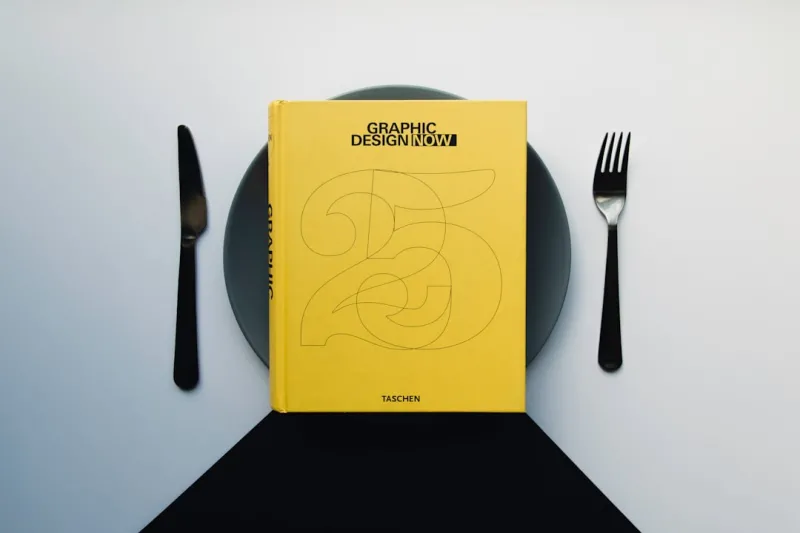
Opening the Book of Flavors
Walking into a fine‑dining room feels like opening the first page of a novel I never want to put down. The polished silverware, the hushed lighting, and the subtle scent of herbs all act as a preface, coaxing my senses to anticipate the story ahead. I’ve learned that each reservation is a chance to turn a simple meal into a chapter I’ll remember long after the plates are cleared.
The Menu as a Table of Contents
When I first laid eyes on a tasting menu, I treated it like a table of contents, scanning each heading for clues about the narrative arc. The chef’s descriptions become sub‑headings, hinting at texture, temperature, and the emotion each bite might evoke. It’s a deliberate dance—the chef guides my curiosity while I, the reader, decide which plot twists I’m willing to follow.
First Course: Setting the Scene
The opening amuse‑bouche is the inciting incident, a whisper of the story’s tone. A single oyster perched on a sea‑salted foam, for example, might recall a coastal memory I didn’t know I held. In that moment, I’m reminded of the piece Fine Dining as Narrative, where each course is dissected as a pivotal scene.
Mid‑Meal: The Plot Thickens
As the plates arrive, the narrative deepens, moving from exposition to rising action. A slow‑cooked lamb shank drenched in a pomegranate reduction feels like a plot twist—unexpected yet perfectly timed. The chef’s intentional layering of flavors mirrors a writer’s technique of weaving subplots, keeping me engaged and eager for the next reveal.
Intermezzo: A Breath Between Chapters
Just as a novel offers a brief intermission, an intermezzo palate cleanser provides a moment of reflection. A sorbet of cucumber and mint acts like a quiet paragraph, allowing the previous dish’s intensity to settle before the climax arrives. I often find myself sipping a crisp glass of Champagne, listening to the clink of crystal as if hearing the soft rustle of turning pages.
Climax on the Plate
The main course is the story’s climax, and it must deliver both drama and satisfaction. A perfectly seared foie gras paired with caramelized figs feels like the cathartic resolution of a long‑building conflict. In that instant, I recognize the power of culinary storytelling—a concept explored in The Art of Storytelling on a Plate, where the plate becomes the protagonist.
Denouement: Sweet Reflections
Dessert serves as the denouement, gently tying loose ends while leaving a lingering aftertaste of wonder. A lavender-infused panna cotta with shards of dark chocolate can feel like an epilogue that invites contemplation. I often linger over the final spoonful, replaying the evening’s sensory cues like cherished lines from a favorite book.
Service: The Silent Narrator
Beyond the food, the staff act as the unseen narrator, guiding the pacing and tone of the experience. Their timing—when to present the next course, how to describe each element—shapes my perception of the story’s flow. A well‑timed glass refill feels like a subtle footnote, reinforcing the chef’s intent without stealing the spotlight.
Why I Keep Returning to Story‑Driven Dining
Each visit to a narrative‑focused restaurant reaffirms my belief that meals can be more than sustenance; they can be immersive tales that linger in memory. The blend of taste, aroma, and atmosphere crafts a multi‑sensory novel that I can replay in my mind long after the reservation ends. That is why I chase these experiences, always seeking the next chapter that will surprise, delight, and, most importantly, tell a story worth savoring.

Becky Putman is an Ottawa-based freelance writer and marketing professional with a passion for storytelling, animals, and community involvement. She enjoys creating engaging content that informs, inspires, and connects with readers.
Related Posts
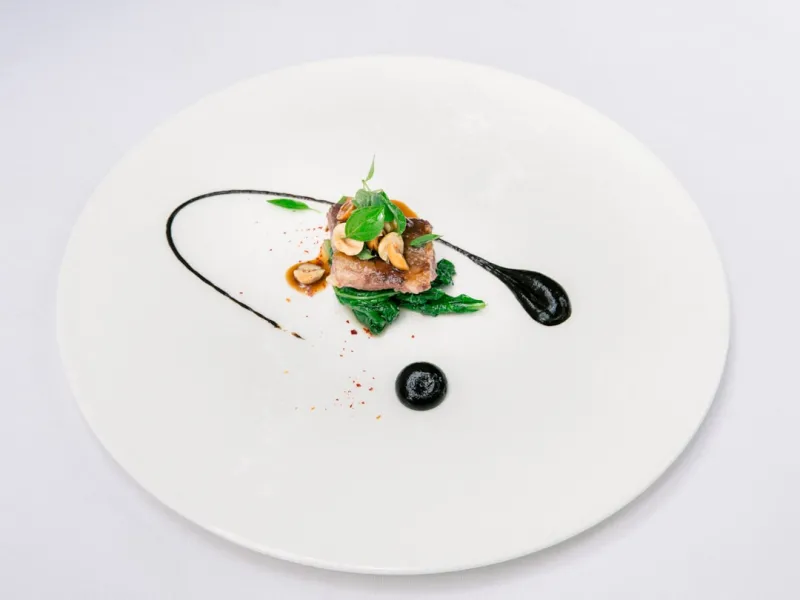
Fine Dining as Narrative: How Every Course Becomes a Story
Fine dining now reads like a novel—each dish a chapter, each detail a plot twist. Discover how che... Read More
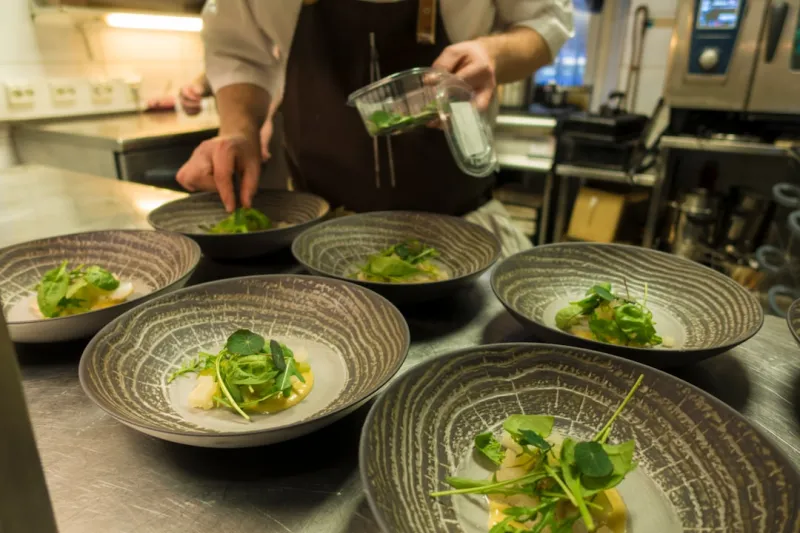
Savoring Stories: How Fine Dining Transforms Meals into Narrative Art
Discover the art of storytelling on a plate, where chefs craft each dish as a chapter, creating imme... Read More
When the Land Becomes the Menu: Hyper‑Local Terroir in Fine Dining
Fine dining is turning its focus to the soil, crafting hyper‑local menus that tell the story of pl... Read More
Top Posts
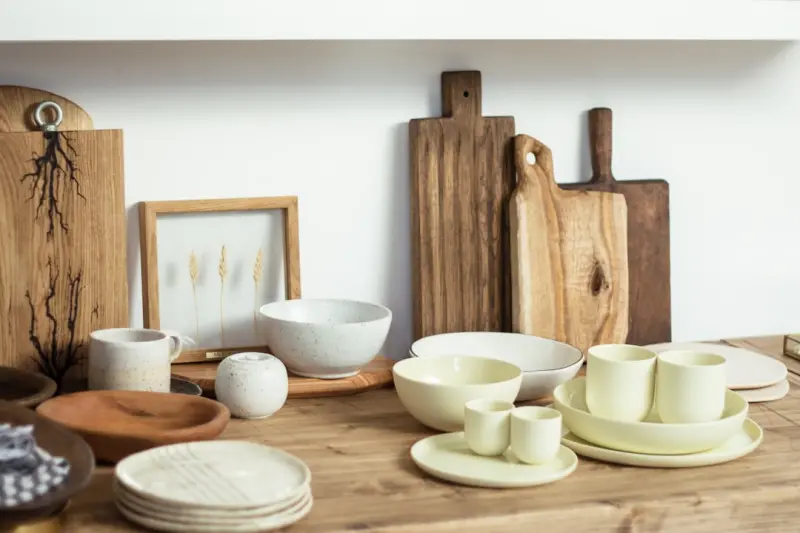
Reviving Heritage Tableware: How Handcrafted Ceramics, Cutlery, and Glass Elevate Modern Fine Dining
Discover how the resurgence of heritage tableware—from artisan ceramics to bespoke glassware—adds a tactile narrative, elevates flavor, and champions sustai...Read More
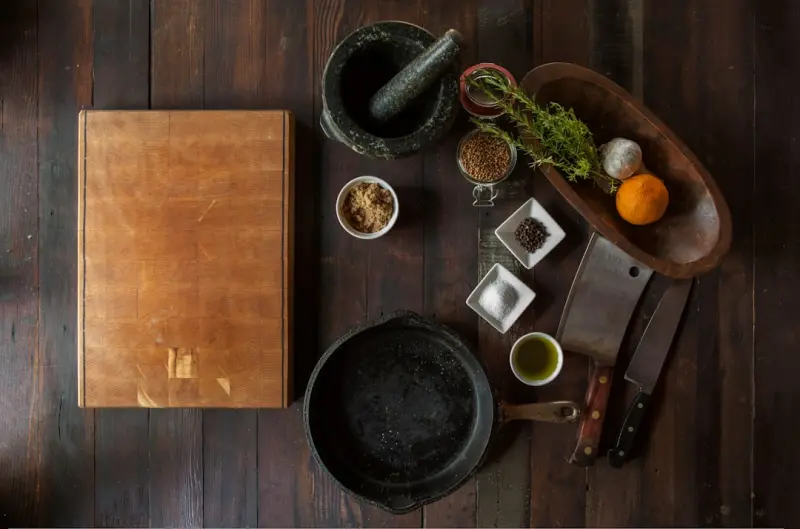
The Art of Anticipation: Crafting Culinary Suspense in Fine Dining
Explore the secret techniques chefs use to build anticipation, from subtle sensory cues to perfectly timed pauses, turning fine dining into a captivating narrat...Read More
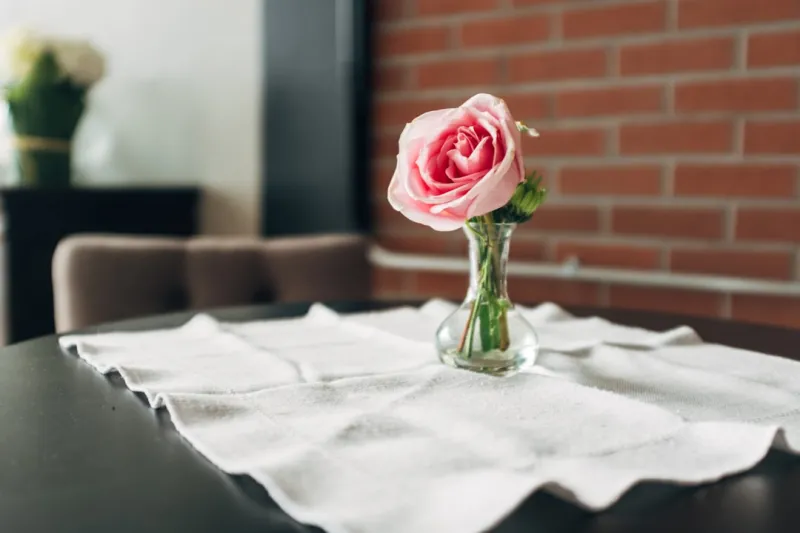
Dining in 2024: Rose DesRochers' Insider Look at the Restaurant Renaissance
From farm‑to‑table narratives to immersive pop‑ups, Rose DesRochers reveals why 2024 feels like a culinary rebirth, highlighting the restaurants that are ...Read More
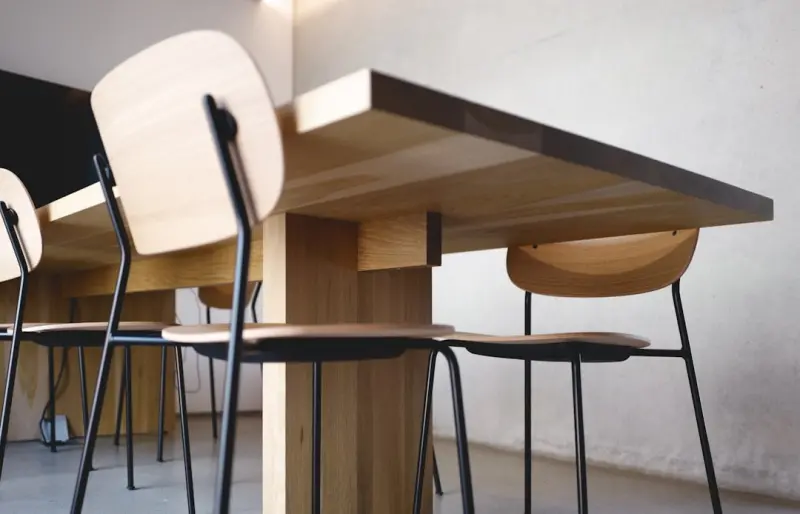
The Community Table Revolution: How Shared Seating is Redefining Restaurant Culture
Discover how community tables are reshaping restaurants, fostering spontaneous connections, and creating a fresh, shared dining experience for modern guests....Read More
0 Comments
Post Comment
You will need to Login or Register to comment on this post!