

Why Global Fusion Is the New Narrative in Fine Dining
When I first walked into a restaurant that whispered stories of distant coastlines through a single bite, I realized that fine dining was quietly shedding its old, monochrome skin and slipping into a kaleidoscopic wardrobe of flavors, textures, and histories, a transformation that feels as inevitable as the tide and as exhilarating as a first love that crosses continents; this shift is not merely a trend but a profound re‑evaluation of what luxury can mean when chefs dare to let their own genealogies guide the menu, and it is this brave honesty that invites diners to sit at a table that feels both foreign and intimately familiar, a paradox that keeps my palate perpetually curious. Global fusion has become a language of its own, one that speaks in spices, techniques, and stories that are simultaneously rooted and revolutionary, and the excitement of decoding each course feels like reading a travelogue written in the most delicious dialect imaginable.
The Roots of a Eurocentric Legacy and Its Gentle Unraveling
For centuries, the grandest dining rooms echoed the rigid hierarchies of French haute cuisine, a system that prized precise technique, uniformity, and a reverence for a single, often Western, culinary canon, an environment that, while dazzling in its execution, left little room for the vibrant tapestries woven by immigrant cooks whose family recipes were once whispered behind kitchen doors; today, however, those very whispers have grown louder, spilling onto plates that proudly wear the marks of kimchi, harissa, yuzu, and mole, proving that the old guard is not being erased but rather being invited to share the spotlight in a collaborative performance. The evolution is evident in the way menus now list origins beside each dish, offering diners a passport stamp in print, and this transparency not only educates but also honors the lineage of flavors that have traveled across oceans, proving that the history of fine dining is no longer a single story but a chorus of many voices.
Chef‑Driven Storytelling: Personal Heritage as Menu Inspiration
In my conversations with chefs who have risen from street‑food stalls to Michelin‑starred tables, I have learned that the most resonant dishes are those that begin with a memory—a grandmother’s stew simmering on a cold winter night, a festival market bursting with fresh herbs, or a pilgrimage to a distant monastery where a simple broth was elevated to ritual; when these personal narratives are translated onto a refined plate, the result is a dining experience that feels less like a performance and more like an intimate conversation, a moment where the guest is granted privileged access to the chef’s inner world, and the authenticity of that exchange creates a bond stronger than any garnish could ever achieve. By allowing chefs to wear their cultural identities as badges of honor rather than hidden accents, restaurants are cultivating a sense of belonging that transcends the traditional boundaries of fine dining, inviting diners to become participants in a living, breathing story rather than passive observers.
Cross‑Continental Ingredient Sourcing: Logistics Meets Imagination
Bringing together ingredients from disparate corners of the globe is no longer a logistical nightmare but a carefully choreographed dance of sustainability, technology, and partnership, where a single tasting menu might feature Peruvian quinoa, Japanese yuzu, West African fonio, and Italian black truffle, each sourced from farms that practice regenerative agriculture and shipped via carbon‑offset routes, a process that demands both culinary daring and a commitment to ethical stewardship; the result is a plate that reads like a world map, each bite offering a glimpse into the terroir of a place the diner may never have visited, yet feels intimately connected to through the chef’s narrative. This global pantry not only expands the creative vocabulary of the kitchen but also challenges diners to reconsider their relationship with food, prompting them to ask where their flavors originate and how their choices ripple across ecosystems, a dialogue that enriches the dining experience far beyond the palate.
Tableware as Cultural Canvas: Design That Speaks
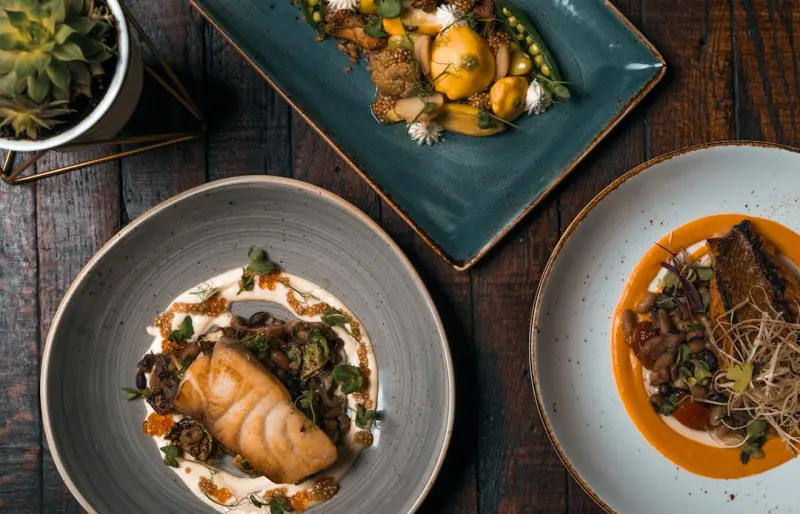
When the dish arrives, it is not merely the food that tells the story but also the vessel that cradles it—a hand‑blown ceramic bowl inspired by Mexican Talavera, a sleek bamboo plate echoing Southeast Asian markets, or a reclaimed wood board that whispers of Nordic forests; these thoughtful choices in tableware act as silent translators, bridging the gap between unfamiliar flavors and the diner’s visual expectations, allowing the mind to prepare for the journey ahead, and when the design aligns with the dish’s heritage, the entire sensory experience becomes cohesive, turning a simple meal into an immersive cultural showcase. Restaurants that invest in such intentional design signal to their guests that every element, from the fork to the lighting, has been curated to honor the dish’s origins, creating a holistic environment where the story is told not just through taste but through sight, touch, and the subtle whispers of material history.
Service Rituals Reimagined for a Multicultural Palette
In the age of global fusion, the choreography of service has evolved to become a conduit for cultural respect, where servers are trained not only in the timing of courses but also in the etiquette and storytelling customs of the cuisines they present, an approach that transforms the traditional “service ritual” into a multilingual dialogue that welcomes guests into each culinary world with grace and authenticity; for example, offering a brief explanation of why a certain spice is traditionally toasted before use, or allowing diners to participate in a ceremonial tea pouring that mirrors the ritual from the dish’s country of origin, enhances the sense of immersion and shows reverence for the cultural roots of the menu. This nuanced attention to detail mirrors the insights shared in service rituals and underscores how fine dining can honor diversity while maintaining the elegance that defines the experience.
Guest Experience: Crafting a Narrative Journey Through Courses
When a tasting menu is designed as a narrative arc, each course becomes a chapter that builds upon the previous one, guiding the diner through a storyline that might begin with a coastal breeze of citrus, deepen into the earthy whispers of forest mushrooms, and culminate in a sweet finale that evokes a desert sunrise, a structure that mirrors the pacing of a well‑written novel and invites the guest to become an active reader rather than a passive consumer; the chef’s role transforms into that of an author, carefully selecting plot twists—perhaps an unexpected dash of fermented black bean that adds intrigue—to keep the palate engaged and the imagination alight. By framing the meal as a story, restaurants empower diners to reflect on each bite’s significance, fostering a deeper emotional connection that lingers long after the last morsel has disappeared, turning a night out into a cherished memory that is retold with enthusiasm at future gatherings.
Market Demand and the Business Case for Inclusive Luxury
From a business perspective, the appetite for culturally rich, globally inspired fine dining is not just a fleeting curiosity but a measurable shift in consumer expectations, where diners increasingly seek experiences that reflect their own multicultural identities or satisfy a yearning for authentic exploration, a trend that aligns seamlessly with the principles of inclusive luxury and presents a compelling case for restaurateurs to invest in diverse talent and sourcing strategies; restaurants that champion this approach often see higher reservation rates, more favorable press coverage, and a loyal clientele that appreciates the thoughtful representation of their heritage on the menu. Moreover, the financial upside is amplified by the premium that guests are willing to pay for a dining experience that feels both exclusive and personally resonant, proving that celebrating cultural diversity can be both ethically rewarding and economically viable.
Looking Ahead: The Future of Culinary Cross‑Pollination
As we gaze toward the horizon of fine dining, the next frontier appears to be a seamless collaboration between chefs from disparate backgrounds who co‑create menus that fuse not only flavors but also philosophies, a practice that could give rise to “culinary passports” where diners receive a bespoke booklet detailing the cultural lineage of each ingredient, the story behind the technique, and suggestions for future pairings, turning the meal into an educational adventure that extends beyond the restaurant walls; technology will undoubtedly play a supportive role, offering augmented reality glimpses of a dish’s origin or translating traditional cooking terms in real time, yet the heart of this evolution will remain grounded in genuine human connection and the shared desire to celebrate the world’s rich tapestry through food. By continuing to champion authenticity, curiosity, and respect, the fine‑dining realm will not only preserve its reputation for excellence but also become a vibrant conduit for cultural exchange, inviting every guest to taste the world, one thoughtfully crafted plate at a time.

Becky Putman is an Ottawa-based freelance writer and marketing professional with a passion for storytelling, animals, and community involvement. She enjoys creating engaging content that informs, inspires, and connects with readers.
Related Posts
Beyond the Plate: How Tableware Shapes the Fine‑Dining Experience
From porcelain to hand‑blown glass, the art of tableware transforms fine dining, adding narrative ... Read More

Augmented Reality at the Table: Redefining Fine Dining Experiences
Discover how AR tabletop technology turns fine dining into a multisensory performance, blending visu... Read More
Reimagining the Chef’s Table: From Secret Booth to Interactive Stage
Discover the transformation of the chef’s table into an interactive performance, where design, sto... Read More
Top Posts

A Flavor‑First Journey Through 2026’s Hottest Restaurant Stories
Dive into 2026’s restaurant renaissance where storytelling, tech, and sustainability turn meals into immersive adventures you won’t want to miss....Read More
Rose DesRochers' Guide to the Best Restaurants: A Personal Journey
Rose DesRochers shares her passionate quest for the world’s best restaurants, revealing how quality, service, ambiance, and ethics shape unforgettable dining ...Read More
Rose DesRochers’ Insider Take on the 2024 Restaurant Renaissance
Rose DesRochers shares her unique view of the 2024 restaurant renaissance, highlighting flavor‑first philosophy, tech‑enhanced dining, and sustainable, comm...Read More

The Art of Fine Dining: Rose DesRochers’ Personal Journey Through Flavor and Story
Rose DesRochers explores fine dining as a narrative, blending cuisine, service, and atmosphere while looking ahead to sustainability and tech-driven innovation....Read More
0 Comments
Post Comment
You will need to Login or Register to comment on this post!