
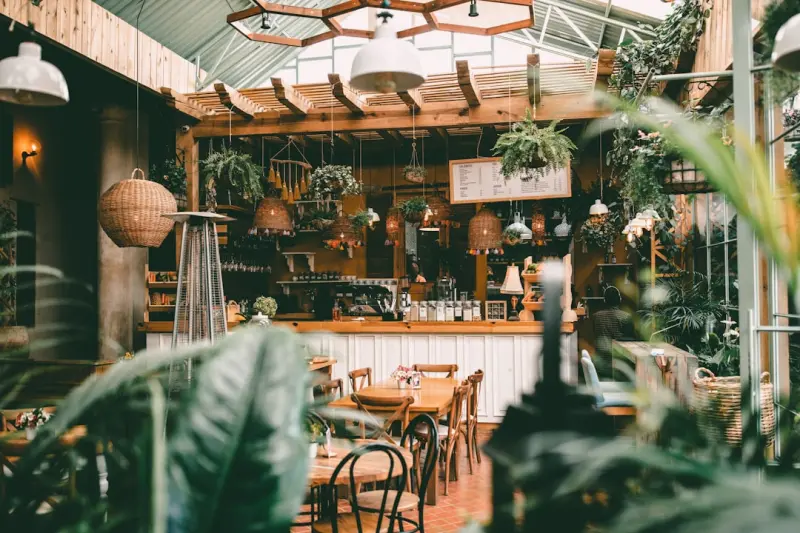
Why Restaurants Are Turning to Micro‑Seasonal Foraging
Walking into my favorite downtown bistro last week, I noticed the chalkboard menu had been replaced by a hand‑drawn sketch of a wild herb and a short, poetic description of its forest origins; it felt like stepping into a secret garden rather than a typical dinner rush. This shift toward hyper‑seasonal, foraged ingredients isn’t a fleeting Instagram trend—it’s a direct response to the erratic climate patterns that have made traditional supply chains increasingly unreliable, forcing chefs to become part botanist, part storyteller. As someone who has spent countless evenings savoring dishes that promise consistency, I found myself both intrigued and slightly uneasy at the idea of a menu that could change dramatically from one night to the next, yet the excitement of discovering what the land is offering right now outweighed any concern. In this new era, restaurants are learning to listen to the rhythm of the seasons, letting the environment dictate the plate, and in doing so, they’re inviting diners to share in a more authentic, ever‑evolving culinary conversation.
The Climate Catalyst Behind Hyper‑Local Menus
Climate volatility has turned the once‑predictable harvest calendar into a jagged line, with unexpected frosts, droughts, and heatwaves disrupting the steady flow of produce that restaurants have relied on for decades; this instability has pushed many chefs to look closer to home for ingredients that can be harvested on demand. By partnering with local foragers who scout woods, wetlands, and meadow edges, establishments can source greens, berries, and edible flowers that thrive despite the shifting weather, ensuring a supply that is both resilient and uniquely tied to the surrounding ecosystem. Moreover, this approach reduces the carbon footprint associated with long‑distance transport, aligning the dining experience with broader sustainability goals that many patrons now expect. The result is a menu that feels alive, reacting to the very day it is served, and offering a narrative that connects diners not just to a plate, but to the land that nurtured it.
Building Relationships with the People Who Know the Land
Behind every foraged garnish lies a network of passionate individuals—seasoned wild‑food scouts, community gardeners, and even retired botanists—who have spent years mastering the subtle cues of nature; forging these relationships has become as essential as hiring a sous‑chef. In my recent conversation with a local forager named Maya, she explained how she tracks the bloom of nettles and the emergence of ramps, timing her harvests to align with the peak of flavor while ensuring the plants regenerate for future seasons. Restaurants that invest time in these collaborations not only gain access to premium, hyper‑fresh ingredients but also inherit stories that can be woven into the menu’s description, adding depth and authenticity that no imported product can match. By treating foragers as partners rather than suppliers, chefs cultivate a shared sense of stewardship, turning the kitchen into a hub where ecological knowledge and culinary artistry intersect.
Designing Menus That Dance With the Wild
Creating a menu that reflects the whims of the forest requires a flexible mindset and a willingness to let the ingredients dictate the narrative rather than the other way around; chefs are now drafting “living menus” that evolve week by week, sometimes even day by day. For example, when a sudden burst of wild garlic appears after a rainstorm, the head chef might craft a silky garlic‑infused broth paired with locally sourced trout, highlighting the herb’s bright, peppery notes while honoring its fleeting availability. This approach challenges the conventional notion of menu stability, demanding that kitchen staff become adept at rapid prototyping, tasting, and adjusting dishes on the fly. The payoff, however, is a dining experience that feels fresh, unpredictable, and deeply rooted in the present moment, turning each visit into a unique adventure that cannot be replicated elsewhere.
The Guest Experience: Surprise, Education, and Connection
Patrons walking into a restaurant that embraces micro‑seasonal foraging quickly realize they are part of an educational journey, where each bite is accompanied by a brief tale of its origin, often delivered by the server or printed on a small card; this storytelling transforms a simple meal into an immersive lesson in ecology. Many diners report a heightened sense of satisfaction when they learn that the pine needles garnish on their dessert was harvested from a nearby park just hours before service, creating an intimate link between the plate and the local landscape. This element of surprise not only delights the palate but also fosters a deeper appreciation for the labor and love embedded in each dish, encouraging repeat visits as guests become eager to discover what the next foraging adventure will bring. In my own experience, the anticipation of the unknown has become a cherished part of my dining rituals, turning ordinary evenings into memorable explorations.
Business Benefits: From Waste Reduction to Marketing Gold
Adopting a hyper‑seasonal, foraged menu aligns naturally with zero‑waste dining principles, as chefs are compelled to use every part of the harvested plant, from roots to stems, minimizing scraps and maximizing value; this holistic usage not only reduces disposal costs but also showcases the restaurant’s commitment to sustainability, a key driver for modern consumers. Additionally, the ever‑changing nature of the menu creates a compelling marketing narrative that can be amplified across social media, drawing food‑enthusiasts eager to capture the latest seasonal masterpiece before it disappears. By positioning themselves as pioneers of ecological responsiveness, restaurants can differentiate themselves in a crowded market, attracting a loyal clientele that values both taste and transparency. The financial upside is further reinforced by the typically lower acquisition costs of locally foraged items compared to imported produce, allowing establishments to maintain healthy margins while delivering premium, story‑rich dishes.
Challenges and the Role of Guest Feedback
Despite its many advantages, the micro‑seasonal model presents logistical hurdles, such as ensuring consistent quality, training staff to identify and handle wild ingredients safely, and maintaining a reliable supply when nature’s bounty is unpredictable; chefs must develop contingency plans, often integrating cultivated alternatives that mimic the flavor profile of the foraged item to avoid disappointing guests. This is where guest feedback becomes a vital compass, guiding kitchens in fine‑tuning their offerings and communicating transparently about seasonal limitations, thereby turning potential setbacks into opportunities for deeper engagement. By encouraging diners to share their experiences—whether through comment cards, online reviews, or in‑person conversations—restaurants can quickly adjust portions, modify flavor balances, and even involve patrons in the foraging narrative, fostering a collaborative atmosphere that enhances loyalty. Embracing this feedback loop not only mitigates risk but also reinforces the restaurant’s reputation as an adaptable, guest‑centric establishment.
Looking Ahead: The Future of Hyper‑Seasonal Dining
As climate patterns continue to shift and consumers grow more environmentally conscious, the trend toward micro‑seasonal foraging is poised to become a mainstay rather than a niche experiment; restaurants that master this approach now will set the standard for a new generation of dining that celebrates resilience, locality, and storytelling. I envision a future where diners can track the foraging routes of their meals via QR codes, watch short videos of the harvest, and even participate in community foraging events hosted by their favorite eateries, turning the act of eating into an interactive, educational experience. By supporting establishments that champion these practices, we not only enjoy fresh, vibrant flavors but also contribute to a more sustainable food system that honors the land and its rhythms. So the next time you’re searching for a memorable night out, seek out a restaurant that lets the forest dictate the menu—your palate, your community, and the planet will thank you.

Becky Putman is an Ottawa-based freelance writer and marketing professional with a passion for storytelling, animals, and community involvement. She enjoys creating engaging content that informs, inspires, and connects with readers.
Related Posts
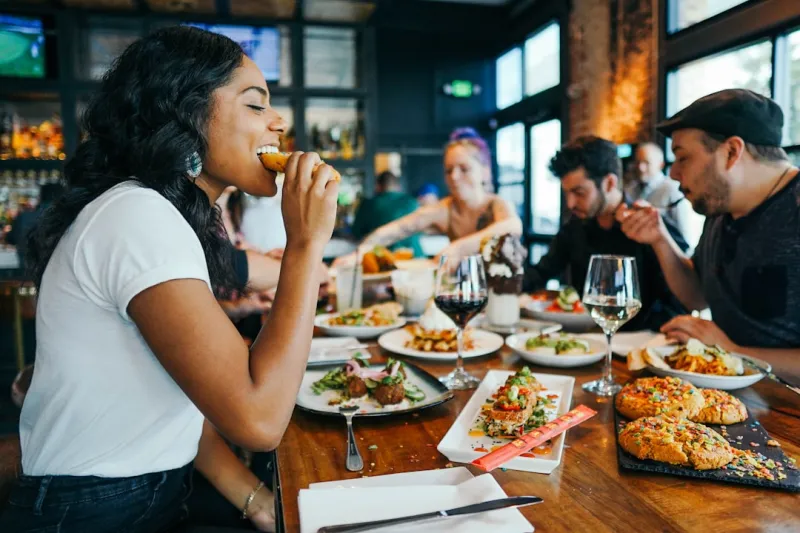
Rose DesRochers’ 2024 Restaurant Renaissance: Flavor, Story, and Innovation
Rose DesRochers reveals how 2024’s dining scene blends storytelling, sustainability, and tech, off... Read More

How Gamified Loyalty Programs Are Changing the Restaurant Landscape
Discover how game‑style loyalty schemes are reshaping dining, turning ordinary meals into quests t... Read More
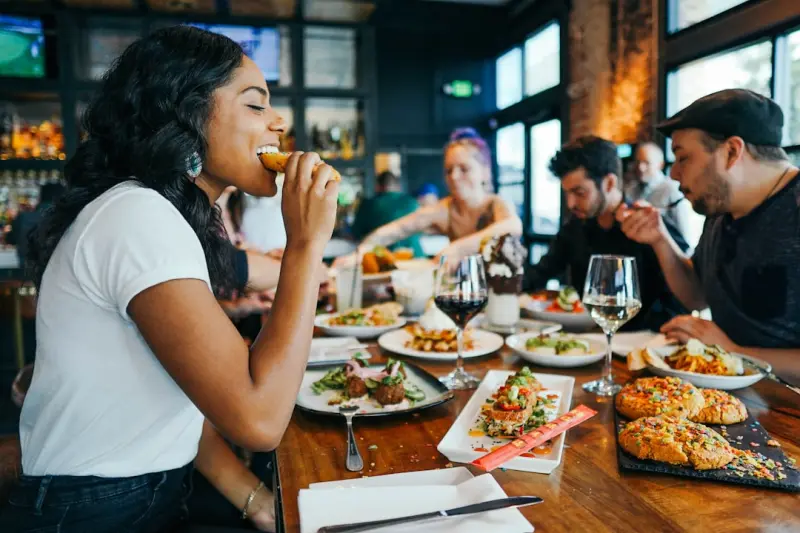
When Restaurants Prioritize Employee Wellness, Everyone Wins
A deep dive into how investing in employee health and happiness transforms restaurant culture, enhan... Read More
Top Posts

Decoding the Menu: How Wordcraft Turns a Meal into a Story
Ever wondered why some menus feel like poetry? Discover the art of menu wordcraft and how it transforms ordinary dishes into memorable stories that keep diners ...Read More

Unlocking the Secret Menus: The Best Restaurants You’ve Never Seen
Explore the world’s most intriguing secret menus, learn how to uncover them, and pair hidden dishes with perfect drinks for a truly exclusive dining adventure...Read More
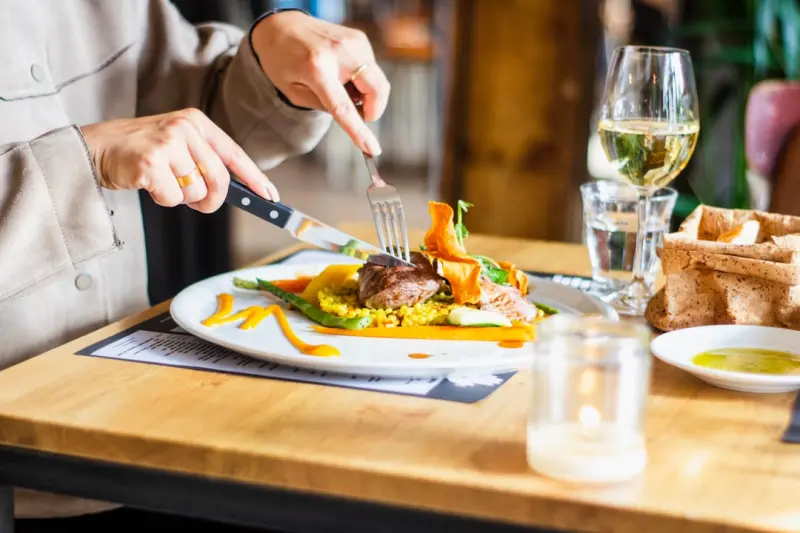
Crafting the Future of Fine Dining: Data, Transparency, and Sensory Storytelling
Discover the next wave of restaurant innovation where AI‑driven menus, transparent sourcing, and immersive sensory environments redefine the dining experience...Read More

Becky Putman's Insider Take on the 2024 Restaurant Renaissance
Becky Putman shares her insider view of the 2024 restaurant renaissance, highlighting flavor‑first trends, sustainable sourcing, tech‑enhanced dining, and m...Read More
0 Comments
Post Comment
You will need to Login or Register to comment on this post!