
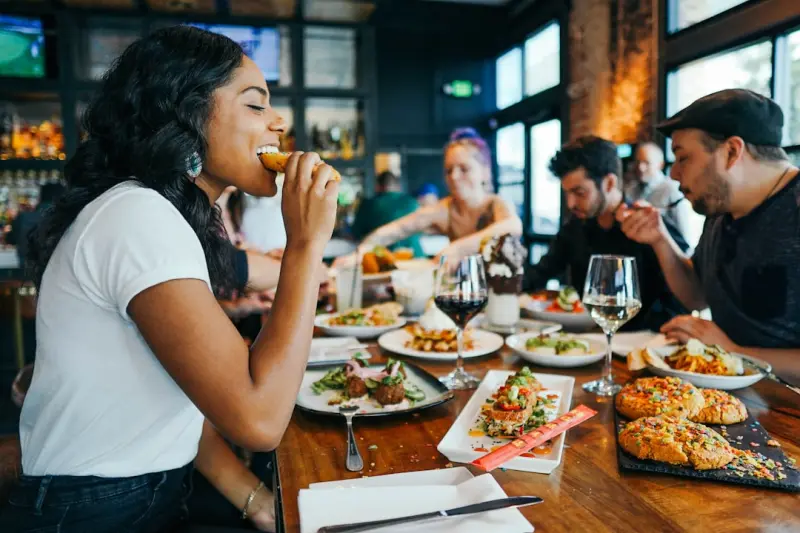
Why the Glow on Your Plate Matters More Than the Recipe
Walking into a dimly lit bistro on a rainy evening, I’ve always felt that the lights were whispering a secret to my palate before the first bite even arrived. That subtle glow, the way shadows hug the walls, can coax flavors to feel richer, textures to seem silkier, and even make a modest dish feel like an occasion worth celebrating. As a lifelong restaurant‑enthusiast, I’ve learned to read the ambiance like a menu, and the lighting often writes the first chapter of the story I’m about to eat.
The Science Behind Light Temperature and Appetite
Research from culinary psychologists shows that warm lighting (around 2700‑3000 K) stimulates the brain’s release of serotonin, creating a relaxed vibe that encourages diners to linger and savor, while cooler, blue‑tinted illumination can suppress appetite and speed up turnover. Restaurants that master this balance often use pendant lights over tables to create intimate islands, yet keep the overall space brighter to guide the eye and highlight presentation. By deliberately choosing amber hues for intimate booths and crisp white for open‑kitchen views, chefs can subtly steer how we perceive flavor intensity and portion size.
Soundscapes: The Unsung Ingredient on Every Plate
Even the most perfectly lit space can fall flat if the acoustic environment is off‑key; a clatter of plates or a blaring playlist can drown the subtle notes of a perfectly cooked risotto. Studies indicate that a background soundtrack set between 60‑70 dB, featuring low‑tempo jazz or acoustic folk, lowers heart rate and heightens taste perception, making sweet notes taste sweeter and umami richer. Savvy restaurateurs invest in acoustic panels, strategically placed speakers, and even “sound‑masking” technology to craft an auditory backdrop that complements, rather than competes with, the culinary performance.
Seating Layouts That Invite Conversation—and Better Digestion
The distance between chairs, the angle of tables, and the ergonomics of each seat are all calculated to enhance comfort and, surprisingly, digestion; upright postures promote better gastric flow, while cramped seating can lead to rushed meals and poorer nutrient absorption. Designers now favor modular furniture that can be reconfigured for intimate two‑person settings or larger communal tables, allowing diners to choose the social density that matches their mood. For a deeper dive into how restaurants curate experiences beyond the menu, see my piece on finding hidden gems off the beaten path, where ambiance often outweighs reputation.
Scent as a Silent Partner in the Dining Experience
Our noses are directly linked to the brain’s flavor center, meaning a faint aroma of fresh herbs or baked bread wafting through a dining room can amplify the taste of a dish before it even touches the tongue. Many upscale venues now employ subtle scent diffusers that release botanical notes in sync with the kitchen’s service cadence, creating a cohesive sensory narrative that feels effortless yet powerful. The key is restraint; an overbearing perfume can clash with the food’s own bouquet, turning what should be a harmonious duet into a discordant clash.
Smart Lighting: When Technology Meets Table Service
Modern restaurants are turning to IoT‑enabled lighting systems that adjust hue and intensity based on the time of day, the menu course, or even the diners’ biometric feedback captured through wrist‑worn devices. Imagine a sunset‑orange wash as the appetizer arrives, shifting to a cooler, crystal‑clear glow for the seafood course, then dimming to a romantic amber for dessert—all programmed with a single tap on the chef’s tablet. This seamless integration not only elevates the aesthetic but also allows staff to fine‑tune the environment in real time, ensuring every guest feels personally catered to.
Case Study: The Velvet Lantern’s Ambient Alchemy
Located in a repurposed warehouse, The Velvet Lantern earned a reputation not just for its tasting menu, but for its masterful use of light, sound, and scent to create an immersive culinary journey that feels like stepping into a living painting. The owners partnered with a lighting design firm to install programmable LED ribbons that trace the room’s exposed brick, shifting colors to echo each course’s theme, while a curated playlist of ambient world music plays at just the right volume to encourage conversation without distraction. Their success story demonstrates that when ambience is treated as an ingredient, the entire dining experience becomes a harmonious symphony—something I explored further in my article on hyper‑local harvests and sustainable sourcing, which also highlights how thoughtful design can reinforce a restaurant’s core values.
How to Spot Ambiance Mastery on Your Next Outing
Next time you’re choosing a spot, take a moment to observe the lighting before you’re seated: is the glow warm and inviting or harsh and clinical? Listen for a background hum that feels natural rather than intrusive, and notice whether the scent in the air complements the cuisine rather than overwhelms it. By paying attention to these cues, you’ll discover that the best restaurants don’t just serve food—they craft environments that make every bite feel purposeful, memorable, and uniquely yours.

Becky Putman is an Ottawa-based freelance writer and marketing professional with a passion for storytelling, animals, and community involvement. She enjoys creating engaging content that informs, inspires, and connects with readers.
Related Posts
When a Plate Becomes a Story: A Foodie’s Journey Through Narrative Dining
A passionate foodie reveals why meals are becoming stories, sharing unforgettable restaurant experie... Read More
Beyond the Kitchen Door: How Ghost Kitchens Are Reshaping the Restaurant Landscape
Ghost kitchens are silently reshaping how we eat, blending high‑tech efficiency with culinary crea... Read More
How Curated Music Transforms the Dining Experience
Explore the hidden power of restaurant soundtracks—how the right music can amplify flavors, shape ... Read More
Top Posts
Behind the Screens: How Ghost Kitchens Are Redefining Dining
Ghost kitchens are quietly transforming dining, merging technology, sustainability, and creativity to deliver restaurant‑quality meals straight to your door. ...Read More
Beyond the Kitchen Door: How Ghost Kitchens Are Reshaping the Restaurant Landscape
Ghost kitchens are silently reshaping how we eat, blending high‑tech efficiency with culinary creativity. Dive into their rise, impact on local scenes, and wh...Read More

Reviving Forgotten Techniques: Heritage Cooking Takes Center Stage in Fine Dining
Chefs are breathing new life into ancient cooking methods, creating a fine‑dining experience that marries history, flavor, and storytelling....Read More
When Fine Dining Becomes a Narrative Journey
Fine dining isn’t just food—it’s a story. Dive into the elements that turn plates into narratives and discover how to seek out restaurants where every bit...Read More
0 Comments
Post Comment
You will need to Login or Register to comment on this post!