

Why Plant‑Forward Dining Is the New Gold Standard
When I first walked into a restaurant that put vegetables at the center of its menu, I felt like I’d stepped into a culinary playground where imagination roamed free. The shift toward plant‑forward concepts isn’t just a trendy buzzword; it’s a response to growing awareness about health, sustainability, and flavor depth. Chefs are now treating vegetables, legumes, and fungi as the heroes of the plate, crafting dishes that surprise the palate with layers of texture and taste that rival any meat‑centric masterpiece. This movement also opens doors for diners who may be reducing animal products without sacrificing indulgence. In my experience, the best plant‑forward spots manage to balance creativity with comfort, delivering meals that feel both adventurous and deeply satisfying. Elevating vegetables to stardom transforms the entire dining experience, inviting us to reconsider what a “fine” meal truly looks like.
Mapping the Plant‑Forward Hotspots Across the Country
Traveling for food has always been a joy of mine, and lately my itineraries have been guided by a simple rule: seek out the most innovative plant‑forward restaurants in each city. From the coastal farms of San Francisco to the bustling markets of Austin, there’s a vibrant tapestry of kitchens redefining what a vegetable‑centric menu can achieve. In the Pacific Northwest, for example, chefs harvest directly from nearby forests, turning wild mushrooms into silky sauces that coat house‑made pasta. Down in the South, you’ll find bold, spice‑infused collards that dance alongside fermented beans, proving that comfort food can be both ethical and exciting. Each region offers its own terroir‑inspired twist, making the journey as much about cultural discovery as about taste. If you’re planning a culinary road trip, let these plant‑forward havens become your landmarks, guiding you to unforgettable meals that also support local growers.
Three Must‑Try Destinations for Plant‑Forward Aficionados
- Verdant Table – Portland, OR: Nestled in a refurbished warehouse, this spot sources 90% of its produce from nearby urban farms. Their signature beet‑root ravioli, paired with a hazelnut‑cream sauce, showcases the depth of root vegetables.
- Garden & Grain – Austin, TX: A lively patio restaurant where the menu rotates weekly based on the farmers’ market haul. Expect bold, smoky jackfruit tacos and a rotating selection of heirloom grain bowls.
- Seaweed & Sage – Seattle, WA: This ocean‑inspired eatery elevates sea vegetables, offering kelp‑cured sashimi alongside a miso‑glazed cauliflower steak that sings with umami.
Each of these venues embodies the spirit of plant‑forward cooking while delivering flavors that linger long after the last bite. Whether you’re a seasoned herbivore or a curious omnivore, these destinations prove that vegetables can command a starring role on any plate.
How Sustainability Marries Flavor in Plant‑Forward Kitchens
One of the most compelling reasons to explore plant‑forward restaurants is their commitment to sustainable sourcing. By focusing on locally grown produce, many chefs reduce the carbon footprint associated with long‑distance transportation. Moreover, plant‑based dishes often require less water and land than meat‑heavy counterparts, aligning with broader environmental goals. I’ve witnessed kitchens that compost their vegetable scraps, turning waste into nutrient‑rich soil for the very farms they source from—a true circular economy in action. This synergy between sustainability and taste doesn’t mean compromising on flavor; rather, it amplifies it. Fresh, seasonal ingredients burst with natural sweetness and depth, allowing chefs to experiment with fermentation, smoking, and pickling techniques that add complexity without relying on heavy proteins. The result is a menu that feels both responsibly sourced and irresistibly delicious.
Designing the Perfect Plant‑Forward Plate: A Chef’s Perspective
When I sat down with Chef Maya of Verdant Table, she shared the meticulous thought process behind every dish. “It starts with the garden,” she said, gesturing to the rows of kale, radishes, and microgreens that line the kitchen’s back wall. The chef selects each element for its texture, color, and how it will interact with other components. For instance, a crisp carrot ribbon provides a refreshing crunch that balances a velvety cauliflower puree, while a drizzle of pistachio oil adds a nutty finish. Plating is equally intentional; vibrant hues are arranged to create visual harmony, inviting diners to explore the plate with their eyes before their forks. This careful choreography transforms a simple salad into a multisensory experience, where every bite tells a story of seasonality and craftsmanship.
Finding Plant‑Forward Gems Using Smart Dining Tools
In today’s digital age, discovering the best plant‑forward spots is easier than ever, thanks to curated restaurant guides and community reviews. I often turn to specialized platforms that filter by cuisine type, sustainability practices, and even farmer partnerships. One helpful resource is the hidden gems guide, which highlights lesser‑known eateries that excel in innovative vegetable cooking. Another must‑read is the piece on hyper‑local harvests, offering insight into how chefs build relationships with nearby farms to ensure peak freshness. By leveraging these tools, you can map out a culinary adventure that aligns with your values and palate, ensuring each restaurant visit feels purposeful and rewarding.
Tips for Diners: Making the Most of a Plant‑Forward Experience
Even the most adventurous eaters can feel a bit hesitant when faced with an unfamiliar vegetable‑centric menu. Here are a few tips that have helped me fully enjoy the experience: first, ask the staff about the season’s star ingredients and any chef’s specials that showcase them. Second, be open to tasting small plates; sharing a variety of dishes lets you sample a broader spectrum of flavors without committing to a single entree. Third, don’t shy away from asking about preparation methods—knowing whether a root is roasted, pickled, or pureed can guide your choices. Finally, pair your meal with a thoughtfully selected wine or craft cocktail; many establishments curate drinks that complement the vegetal notes, enhancing the overall harmony of the dining experience.
Beyond the Plate: Community Impact of Plant‑Forward Restaurants
Plant‑forward establishments often serve as catalysts for positive change within their neighborhoods. By sourcing from local farms, they support small‑scale growers and help keep agricultural traditions alive. Some restaurants even host farm‑to‑table workshops, inviting diners to learn about seasonal planting cycles and sustainable cooking techniques. I recall attending a weekend class at Garden & Grain where participants harvested kale straight from the garden and then prepared a communal stir‑fry under the chef’s guidance. These experiences forge stronger bonds between the culinary world and the community, turning a simple dinner into a shared celebration of local stewardship. Moreover, many of these restaurants donate surplus produce to food banks, ensuring that the bounty of the season benefits those in need.
Looking Ahead: The Future of Plant‑Forward Dining
As consumer preferences continue to shift toward health‑conscious and environmentally friendly options, the plant‑forward movement is poised to become a mainstay in the fine‑dining landscape. Emerging technologies, such as vertical farming and precision agriculture, promise an even greater variety of fresh produce year‑round, allowing chefs to experiment with flavors previously unavailable in certain regions. Additionally, the rise of plant‑based protein innovations—think fermented legumes and cultured vegetables—offers new textures that mimic traditional meats while staying true to a sustainable ethos. I’m excited to see how these advances will inspire chefs to push boundaries, creating dishes that are not only kind to the planet but also exhilarating to the palate. The next wave of culinary excellence will likely be defined by the harmony between flavor, creativity, and responsibility.
Final Thoughts: Embrace the Green Revolution on Your Plate
My journey through the world of plant‑forward restaurants has taught me that great food doesn’t require sacrifice; it demands imagination. By seeking out these innovative kitchens, you’re not only treating yourself to unforgettable flavors but also supporting a movement that honors the earth and its bounty. Whether you’re exploring a bustling city or a quiet town, let the promise of vibrant vegetables guide your next dining adventure. Trust your curiosity, ask questions, and most importantly—savor every bite that celebrates the abundance of the plant kingdom.

Becky Putman is an Ottawa-based freelance writer and marketing professional with a passion for storytelling, animals, and community involvement. She enjoys creating engaging content that informs, inspires, and connects with readers.
Related Posts

Savoring Stories: The Best Restaurants That Turn Meals Into Narratives
Explore how the finest eateries turn each plate into a compelling story, blending flavor, ambience, ... Read More

The Chef’s Personality: How Pop‑Up Residencies Are Redefining the Best Restaurants
Explore the rise of chef‑led pop‑ups, where personality, community, and hyper‑local sourcing t... Read More

Exploring the Top Restaurants That Redefine the Tasting Menu Experience
A guide to restaurants that transform tasting menus into adventurous experiences through seasonal cr... Read More
Top Posts

A Rose DesRochers Tour of 2024’s Most Exciting Restaurant Trends
Rose DesRochers reveals the 2024 restaurant renaissance, highlighting flavor‑first dining, storytelling plates, sustainability, tech, and hidden gems for mode...Read More
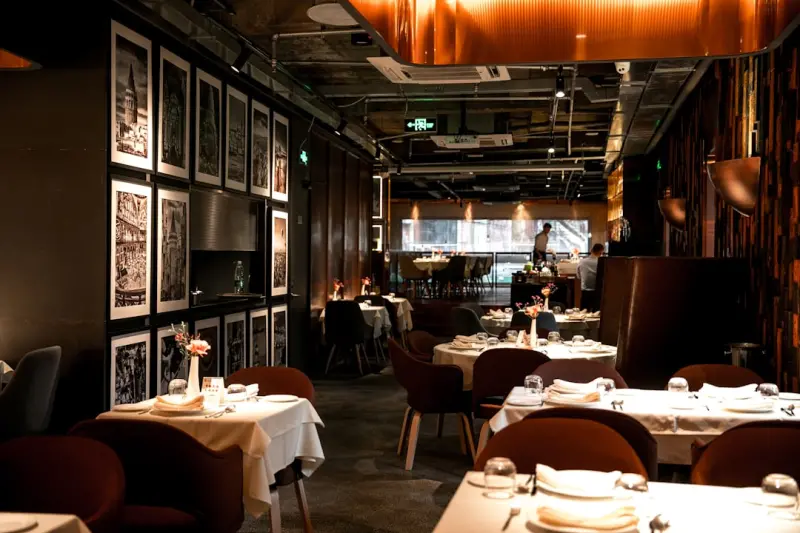
Front‑of‑House Innovations That Make Restaurants Truly Outstanding
Explore the unseen elements—personalized bookings, adaptive menus, and inclusive ambience—that elevate front‑of‑house experiences and set top restaurant...Read More
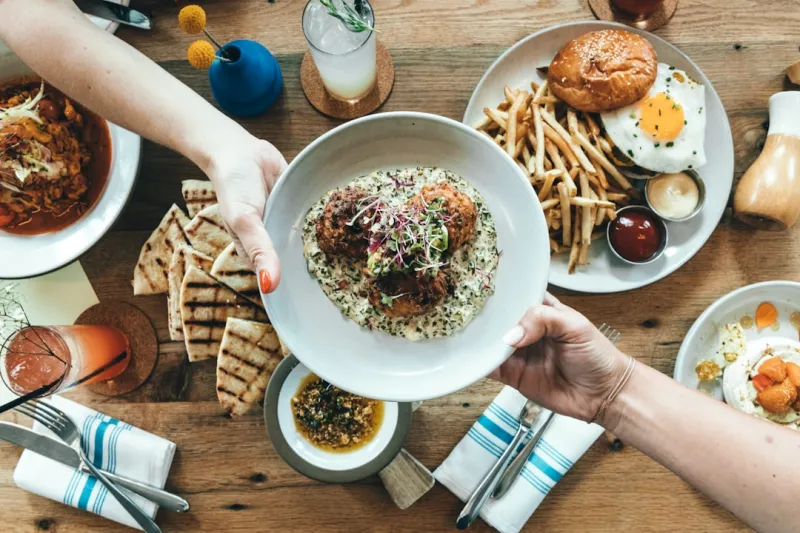
The Best Restaurants Turning Meals Into Memorable Stories
Explore the finest eateries where each dish is a narrative, the ambiance is a chapter, and the service guides you through an unforgettable culinary story....Read More
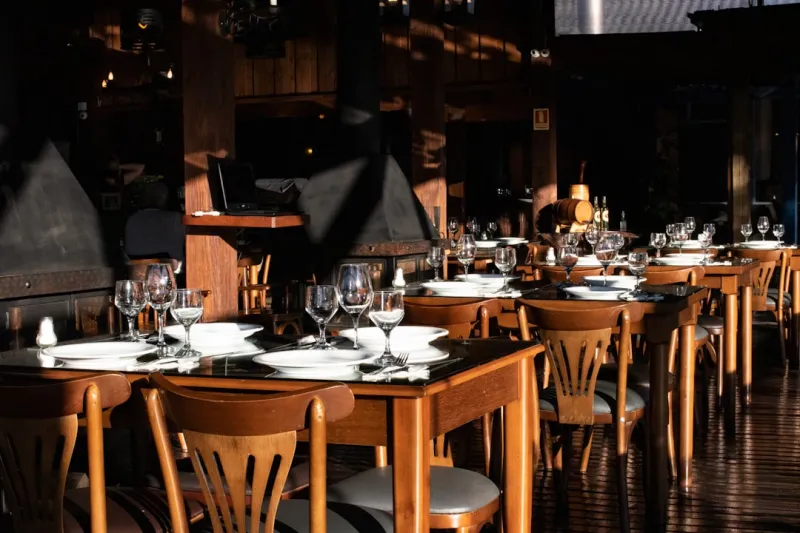
Dining as Narrative: How Restaurants Turn Meals into Stories
Discover the rise of narrative dining, where chefs craft meals as stories, engaging all senses and turning each restaurant visit into an unforgettable literary ...Read More
0 Comments
Post Comment
You will need to Login or Register to comment on this post!