
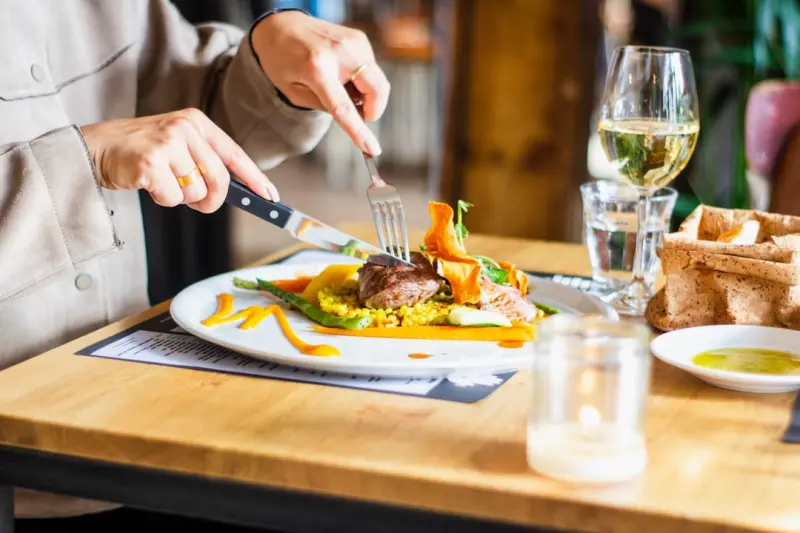
Why Restaurants Need a Narrative, Not Just a Menu
When I walk into a new eatery, I’m not just looking for flavor—I’m hunting for the story that frames each bite. A compelling narrative can turn a simple dinner into an unforgettable experience, making patrons feel like part of a larger tale. This shift from pure cuisine to immersive storytelling is reshaping how we evaluate the best restaurants today. It’s why I spend as much time reading the wall art as I do the wine list, because the backdrop often whispers the secret sauce.
The Power of a Brand Narrative in Dining
A strong brand narrative acts like a lighthouse, guiding diners through a sea of choices and anchoring loyalty. Restaurants that articulate who they are—whether it’s a tribute to a hometown legend or a futuristic culinary experiment—create emotional hooks that linger long after the last course. This approach is more than clever marketing; it’s a promise that every detail, from the logo to the table settings, contributes to a cohesive story. When the story resonates, guests become ambassadors, sharing their experience across social platforms and word‑of‑mouth circles.
Visual Identity: From Front‑Window to Tabletop
First impressions are often visual, and the best restaurants invest heavily in cohesive design that tells a tale at a glance. Think hand‑drawn murals that echo a chef’s heritage or sleek, monochrome interiors that suggest a minimalist philosophy. These visual cues set expectations before the menu even arrives, priming diners for the journey ahead. A well‑crafted aesthetic can also become a signature—an Instagrammable backdrop that fuels organic promotion and deepens the restaurant’s story.
Social Media as a Storytelling Stage
Platforms like Instagram and TikTok have turned diners into storytellers, amplifying a restaurant’s narrative to a global audience. By curating behind‑the‑scenes clips, chef interviews, and user‑generated content, eateries can weave a living story that evolves with each post. This dynamic dialogue invites followers to feel like co‑authors, fostering a sense of belonging and anticipation for the next chapter. It’s a modern twist on the classic word‑of‑mouth recommendation, powered by visual storytelling.
Menu Storytelling: Beyond Ingredient Lists
A menu is the most direct vehicle for narrative, yet many establishments still treat it as a static list. The best ones embed context—telling where a spice originates, why a dish was inspired by a childhood memory, or how a technique honors tradition. Such details transform ordering into a discovery, turning each plate into a plot point. When diners understand the “why” behind a flavor, they connect more deeply, and the meal becomes a story they’ll recount to friends.
Community Partnerships That Add Layers
Collaborating with local artists, musicians, or even neighboring businesses can enrich a restaurant’s story, grounding it in the community’s pulse. For example, a rooftop garden supplied by a nearby urban farm not only provides fresh produce but also adds a chapter about sustainability and neighborhood pride. These partnerships become talking points that differentiate a venue from its rivals, making it a hub of shared cultural expression. You can see how mapping such collaborations can guide diners to hidden gems in our Charting Culinary Landscapes piece.
Staff as Narrative Ambassadors
Even the most polished story can fall flat without the right messengers. Servers, bartenders, and chefs who understand and convey the restaurant’s ethos become living chapters of the experience. Training staff to share anecdotes—like the origin of a house‑made pasta or the inspiration behind a cocktail—adds authenticity and depth. When a server narrates the tale behind a dish, the meal transcends taste, becoming a shared memory that diners cherish.
Future Trends: AI‑Powered Story Curation
Emerging technologies promise to personalize narratives even further, tailoring the story you hear based on your preferences. Imagine an AI that, upon reservation, selects a menu description aligned with your culinary interests, or a digital table that displays a short video about the dish’s provenance. While still nascent, such tools could elevate storytelling to a hyper‑personalized level, ensuring each guest walks away with a uniquely resonant memory. This evolution underscores that the narrative will remain central, even as the delivery methods change.
Conclusion: Choose Restaurants That Speak to You
In a crowded dining landscape, the establishments that rise to the top are those that master the art of storytelling. They blend visual cues, community ties, staff charisma, and innovative tech into a seamless narrative that captivates the senses. As a diner, I now seek out places that whisper a story I can become part of, rather than just serve a plate. The next time you search for the best restaurants, listen for the voice behind the walls—it may just be the ingredient you’ve been missing.

When it comes to the world of blogging and writing, Rose DesRochers is a name that stands out. Her passion for creating quality content and connecting with her audience has made her a trusted voice in the industry. Aside from her skills as a writer and blogger, Rose is also known for her compassionate nature.
Related Posts
The Best Restaurants of 2024: Becky Putman's Flavor‑First Exploration
Becky Putman reveals the 2024 best restaurants, from narrative menus and tech‑driven tables to hid... Read More
Tech‑Infused Dining: The Restaurants Turning Meals into Interactive Adventures
Discover the rise of tech‑infused restaurants where augmented reality menus, projection‑mapped p... Read More

The Secret Ingredients Behind the Best Restaurants
Discover how travel memories, family heritage, daring collaborations, and smart reservation strategi... Read More
Top Posts
Why Intimate Tasting Menus Are Redefining Fine Dining
A deep dive into the quiet revolution of intimate tasting menus, exploring how limited seating, storytelling plates, and curated drinks create unforgettable fin...Read More

Beyond the Plate: Restaurants Turning Neighborhoods into Creative Hubs
Explore the rise of restaurants that double as community workshops, art spaces, and cultural centers, offering diners an immersive experience beyond the menu....Read More
Hands‑On Flavor: The Best Restaurants Where Diners Cook Together
From open‑kitchen studios to tabletop grill stations, these eateries invite you to roll up your sleeves, share the prep, and savor dishes you helped create—...Read More
When a Plate Becomes a Story: A Foodie’s Journey Through Narrative Dining
A passionate foodie reveals why meals are becoming stories, sharing unforgettable restaurant experiences, tips for finding narrative-driven venues, and a glimps...Read More
0 Comments
Post Comment
You will need to Login or Register to comment on this post!