
The Rise of Narrative Cuisine
In the quiet moments between the clink of crystal and the soft hum of conversation, I’ve come to notice a subtle but powerful shift in the world of fine dining: chefs are no longer just creators of flavors, they are storytellers weaving narratives into every bite. This evolution feels like stepping into a literary salon where the menu is a manuscript, each course a chapter that beckons the palate to turn pages of taste, texture, and memory, and I find myself eagerly flipping through these edible stories with a sense of reverence usually reserved for beloved novels. The phenomenon isn’t a fleeting trend; it’s a deliberate reimagining of what a meal can signify, turning a dinner reservation into an immersive experience that lingers long after the last fork is set down. As I explore this movement, I’m reminded of the compelling insights in When a Plate Becomes a Story, which captures how narrative framing transforms the very purpose of a plate.
Chef as Author: Crafting a Culinary Plot
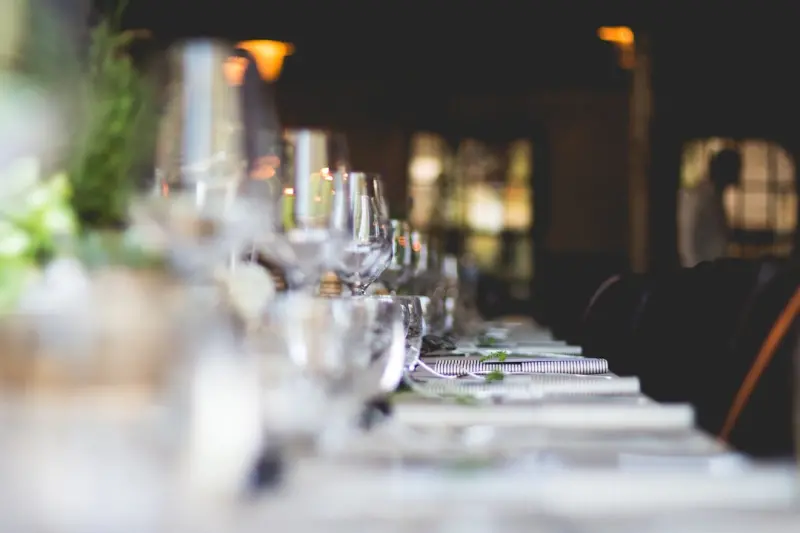
When I sit down at a table set with pristine linen and a candle flickering like a spotlight on stage, I can’t help but think of the chef as an author meticulously plotting arcs, foreshadowing flavors, and delivering climactic finishes that surprise and satisfy. The mise en place becomes a storyboard, each ingredient chosen not merely for taste but for its symbolic resonance, whether it’s a foraged herb that whispers of wild forests or a rare spice that hints at distant voyages, and the plating itself reads like a visual preface inviting diners to anticipate what’s to come. This intentionality is evident in the way some kitchens pair a delicate amuse‑bouche with a short, poetic description that frames the ensuing dish, turning the act of ordering into an act of anticipation akin to turning the first page of a novel. Such deliberate storytelling elevates the dining experience, making it an act of participation rather than passive consumption, and it is this immersive quality that keeps me returning to the table night after night.
The Role of Atmosphere in Storytelling
Beyond the food, the ambience of a fine‑dining venue acts as the setting of a literary work, with lighting, music, and even the texture of the chairs contributing to the narrative arc that unfolds over the course of a meal. I recall a recent evening where soft jazz swirled through the air like a gentle breeze, while the walls were adorned with curated artwork that echoed the seasonal theme of the chef’s tasting menu, creating a cohesive tableau that deepened my emotional connection to each plate. When the environment aligns with the culinary narrative, every sensory detail reinforces the story being told, allowing diners to lose themselves in the moment as if stepping into a vividly painted scene. This harmonious blend of décor and cuisine demonstrates that storytelling in fine dining is a collaborative effort, where every element—visible or invisible—plays a role in shaping the overall plot.
Interactive Storytelling: Engaging the Senses
One of the most thrilling developments I’ve witnessed is the emergence of interactive elements that invite guests to become co‑authors of their own dining narrative, whether through tableside preparations, surprise course reveals, or personalized menu notes that reference a guest’s personal history. When a sous‑chef ignites a fragrant vapor at the table, for instance, it transforms a simple garnish into a theatrical moment that engages sight, smell, and sound, compelling the diner to pause and contemplate the significance of that fleeting cloud of aroma. These interactive touches foster a deeper emotional investment, turning the act of eating into a multisensory dialogue between chef, diner, and environment. The result is a memorable experience that feels less like a transaction and more like a collaborative storytelling journey, one that I eagerly share with friends and fellow food enthusiasts.
Story‑Driven Menus: From Lists to Narratives
Traditional menus, with their bullet‑point listings of dishes, are increasingly being replaced by narrative menus that read like short stories, each description unfolding a background that informs the flavor profile and the chef’s inspiration. I recently perused a menu where a seared scallop was introduced as “a tribute to moonlit tides along the Mediterranean coast, captured in a buttery veil of citrus and sea‑salt foam,” a phrasing that instantly transported me to a coastal sunrise before the first bite even touched my palate. This literary approach not only heightens anticipation but also provides context that enriches the tasting experience, allowing diners to connect emotionally with the origins of each ingredient. For those curious about where this practice began, the piece The Best Restaurants Turning Meals Into Memorable Stories offers a deeper dive into the pioneers shaping this narrative cuisine movement.
Building Community Through Shared Stories
Fine‑dining establishments that embrace storytelling often foster a sense of community, as diners find themselves united by shared emotional journeys that transcend the individual act of eating. In my experience, post‑meal conversations linger long after the dessert plates have been cleared, with guests exchanging interpretations of the chef’s intent, debating the symbolism of certain flavors, and even suggesting alternate plot twists for future menus. This communal reflection creates a collaborative narrative space where the restaurant becomes a hub for cultural exchange, much like a book club gathering around a beloved novel. The collective storytelling not only deepens loyalty but also cultivates a vibrant ecosystem of food lovers who feel personally invested in the restaurant’s evolving tale.
Challenges and Critiques of Narrative Dining
While the rise of story‑driven dining has been largely celebrated, it is not without its skeptics, who argue that an overemphasis on narrative can sometimes eclipse the fundamental purpose of food: nourishment and pure pleasure. I have encountered menus that feel overly pretentious, with elaborate prose that obscures the actual flavor profile, leaving diners uncertain about what they are truly tasting. Balancing artistry with accessibility remains a delicate act; chefs must ensure that the story enhances rather than overwhelms the dish, preserving the integrity of the culinary craft. Nonetheless, when executed with authenticity and restraint, storytelling can act as a powerful conduit, deepening the connection between the plate and the palate without sacrificing the essential joy of eating.
The Future of Storytelling in Fine Dining
Looking ahead, I envision a continued fusion of technology and narrative, where augmented reality menus, immersive soundscapes, and even AI‑generated poetry could augment the sensory tapestry of a fine‑dining experience, inviting diners to explore stories in new, interactive dimensions. As sustainability becomes increasingly central to culinary discourse, stories may also serve as vehicles for educating guests about provenance, ethical sourcing, and environmental impact, turning each bite into a lesson as well as a delight. The potential for storytelling to evolve alongside culinary innovation suggests that the dinner table will remain a stage for human connection, creativity, and cultural exchange for generations to come. In this ever‑changing landscape, the most successful restaurants will be those that weave authentic, resonant narratives that honor both the food and the people who share it.

Becky Putman is an Ottawa-based freelance writer and marketing professional with a passion for storytelling, animals, and community involvement. She enjoys creating engaging content that informs, inspires, and connects with readers.
Related Posts

Cross‑Cultural Storytelling: How Global Fusion Is Transforming Fine Dining
Explore the rise of global fusion in fine dining, where chefs use personal heritage, cross‑contine... Read More

Beyond the Plate: Subtle Innovations Redefining Fine Dining
Discover the hidden innovations—from smart plates to immersive service rituals—that are quietly ... Read More

Heritage Ingredients Revive Fine Dining
Chefs are digging into lost regional ingredients, reviving forgotten flavors and weaving them into t... Read More
Top Posts

A Food Lover’s Guide to Restaurants That Turn Meals Into Stories
Dive into a guide that reveals restaurants turning meals into compelling stories, offering flavors, atmospheres, and narratives that linger long after the last ...Read More
When Data Meets Dinner: Personalized Dining Experiences Redefine Restaurants
Explore the new wave of data-powered dining where restaurants craft each visit to match individual tastes, habits, and moods....Read More
The Best Restaurants That Turn Meals Into Memorable Stories
Discover the finest eateries that blend storytelling, bold flavors, and sustainable practices, creating unforgettable meals that linger long after the last bite...Read More
The Quest for the Best Restaurants That Turn Meals Into Stories
Explore how narrative dining transforms meals into memorable stories, with insider tips, top picks, and a look at the future of culinary storytelling....Read More
0 Comments
Post Comment
You will need to Login or Register to comment on this post!