
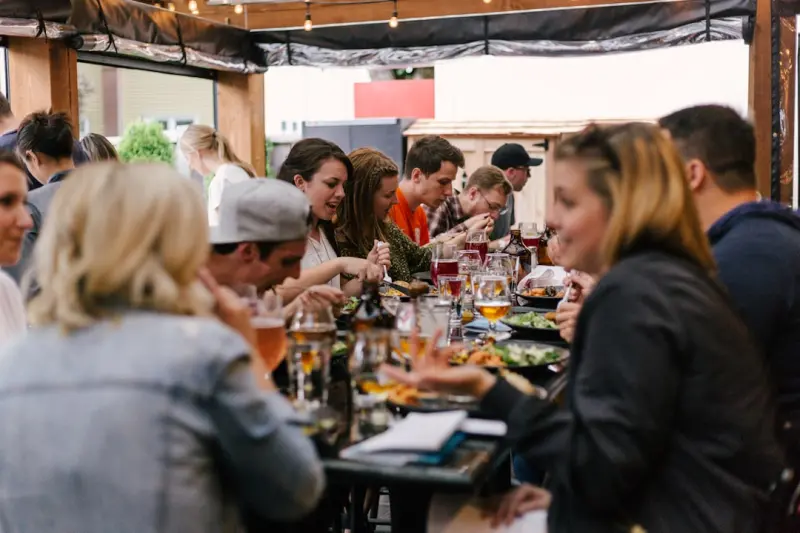
In recent months I’ve watched a subtle yet powerful shift in the way people choose to eat out, and it’s more about who they sit with than what’s on the plate. Restaurants that once prized intimate booths or solitary bar stools are now re‑imagining the dining room as a communal living room, inviting strangers to share a table, a story, and a moment of genuine connection.
Why Community Tables Matter
Modern life has left many of us feeling oddly disconnected, even while we scroll through endless feeds of friends’ meals. The simple act of sitting side‑by‑side with another party, hearing their laughter, and swapping a glance over a shared appetizer can spark a sense of belonging that no digital notification can replace. Community tables act as a social catalyst, turning a routine dinner into an unexpected networking opportunity, a chance encounter, or even the start of a lasting friendship.
At its core, the concept is straightforward: a long, sturdy table placed in a central location, surrounded by comfortable chairs that encourage conversation without feeling forced. The design invites diners to “join the table” rather than “reserve a seat,” subtly shifting the mindset from exclusivity to inclusion. This approach not only democratizes the dining experience but also mirrors the historic tavern model where meals were a communal ritual rather than a private affair.
Designing a Shared Space
Creating a successful community table environment requires careful attention to layout, lighting, and acoustics, each element playing a role in fostering comfort and conversation. A well‑lit space with soft, adjustable lighting helps keep the atmosphere inviting without overwhelming the eye, while strategically placed acoustic panels can temper the inevitable hum of chatter. Pairing these physical cues with thoughtful décor—such as reclaimed wood, greenery, and subtle art—creates a backdrop that feels both polished and welcoming, encouraging guests to linger longer and engage more freely.
Menu design also adapts to the communal setting, with dishes crafted for sharing and flavors that spark curiosity. Offering plates that travel well across the table, like family‑style mezze, rustic flatbreads, or interactive plating, invites diners to pass food, share stories, and discover new tastes together. For inspiration on integrating local produce into shareable dishes, see hyper‑local harvest, which highlights how garden‑grown ingredients can elevate communal meals.
Programming and Community Building
Beyond the physical setup, a thriving community table thrives on curated programming that transforms a simple meal into an experience worth returning for. Restaurants can host themed evenings—such as “Global Street Food Night” where patrons sample dishes from different continents, or “Storytelling Suppers” where local writers share short readings between courses—creating a rhythm that builds anticipation and loyalty. Pair these events with carefully selected playlists; the subtle influence of background music can heighten the sense of togetherness, a concept explored in depth in restaurant soundtracks.
To keep the community vibrant, many establishments introduce rotating “guest host” nights, inviting chefs, artists, or local entrepreneurs to take the helm for an evening. These hosts not only bring fresh culinary ideas but also attract their own networks, expanding the restaurant’s reach organically. By weaving together food, culture, and conversation, the community table becomes a living laboratory for cross‑cultural storytelling, where each bite tells a tale and each conversation adds a new chapter.
Benefits for Diners and Restaurants
For diners, the advantages are both tangible and intangible. Sharing a table reduces the cost per person, allowing guests to splurge on higher‑quality ingredients or unique pairings they might otherwise skip. It also creates a low‑pressure environment where introverts can observe and join in at their own pace, while extroverts find a ready-made audience for their stories. A quick glance at the menu reveals a suite of benefits:
- Cost efficiency—splitting dishes and drinks lowers the overall bill.
- Expanded palate—trying a variety of shared plates introduces new flavors.
- Social enrichment—meeting new people can lead to collaborations or friendships.
- Environmental impact—larger shared portions often mean less waste.
Restaurants reap equally compelling rewards. Higher table turnover can be achieved without sacrificing ambiance, as guests linger for conversation rather than solely for food. Community tables also generate organic word‑of‑mouth marketing; patrons who meet a new friend or discover a favorite dish are more likely to post about the experience online. Moreover, the inclusive vibe aligns with modern consumers’ desire for authenticity, positioning the establishment as a hub of community rather than just a place to eat.
Challenges and Solutions
Implementing a community table is not without its hurdles, especially when balancing privacy‑seeking guests with those eager to mingle. One solution is to offer a mix of seating options: traditional booths for intimate gatherings alongside the communal space, allowing diners to choose their comfort level. Staff training also plays a crucial role; servers must be adept at reading the room, gently encouraging interaction when appropriate and respecting boundaries when needed.
Another common concern is noise management, as a bustling shared table can become overwhelming. Strategic placement of acoustic baffles, soft furnishings, and background music at a moderate volume can mitigate this issue while preserving the lively atmosphere. Finally, reservation systems can incorporate “community table slots,” giving diners the ability to book a shared spot in advance, reducing uncertainty and ensuring a steady flow of guests throughout the night.
Looking Ahead: The Future of Shared Dining
As urban dwellers continue to seek authentic connections, the community table is poised to become a staple of the modern restaurant landscape. Future innovations may include tech‑enhanced tables that display rotating conversation prompts, or QR‑coded menus that suggest ice‑breaker topics based on shared dietary preferences. The underlying principle, however, remains timeless: food is a conduit for human connection, and when we sit together, the experience transcends the sum of its ingredients.
In my own visits, I’ve found that the most memorable meals are those where conversation flows as freely as the wine, where strangers become collaborators, and where the restaurant feels less like a business and more like a welcoming living room. By embracing community tables, restaurateurs can craft spaces that nurture both the palate and the soul, turning a simple dinner into a shared adventure that diners will eagerly recount and return for again.

Becky Putman is an Ottawa-based freelance writer and marketing professional with a passion for storytelling, animals, and community involvement. She enjoys creating engaging content that informs, inspires, and connects with readers.
Related Posts

The Hidden Rise of Ghost Kitchens: How Invisible Restaurants Are Redefining Dining
Discover the silent surge of ghost kitchens, the tech behind data‑driven menus, and how diners can... Read More

Zero‑Waste Restaurants: Turning Scraps Into Signature Dishes
Explore the rise of zero‑waste restaurants that turn every peel and stem into a signature dish, de... Read More

A Rose DesRochers Tour of 2024’s Most Exciting Restaurant Trends
Rose DesRochers reveals the 2024 restaurant renaissance, highlighting flavor‑first dining, storyte... Read More
Top Posts
Beyond Points: How Restaurants Turn Data Into Personal Dining Experiences
Explore the shift from traditional loyalty points to data‑powered, experience‑focused rewards, and learn how restaurants can craft unforgettable moments tha...Read More

Best Restaurants of 2024: Becky Putman's Insider Picks and Flavor Stories
Becky Putman reveals her 2024 must‑try restaurants, sharing the stories, flavors, and insider methods behind each unforgettable dining spot....Read More
Rose DesRochers’ 2024 Restaurant Renaissance: Flavor, Story, and Innovation
Rose DesRochers reveals how 2024’s dining scene blends storytelling, sustainability, and tech, offering insider picks that redefine modern gastronomy....Read More
The Evolution of Fine Dining: A Personal Perspective
Join me on a journey through the world of fine dining, where authenticity, community, and sustainability are redefining the culinary experience....Read More
0 Comments
Post Comment
You will need to Login or Register to comment on this post!