
When the Chef Becomes the Brand
In the crowded landscape of fine dining, the most magnetic restaurants are those where the chef’s personality is not an after‑thought but the very heartbeat of the experience. I’ve spent years chasing flavors, but the moments that stay with me are the ones where a chef greets you, shares a personal anecdote, and then serves a dish that feels like a page from their diary. That intimacy transforms a meal from a transaction into a shared story, and it’s the secret sauce behind many of today’s most beloved establishments.
Why Personal Philosophy Beats Trendy Themes
Trends come and go—think neon‑lit pop‑ups or algorithm‑driven AR menus—but a chef’s core philosophy endures, guiding menu decisions long after the hype fades. When a chef prioritizes authenticity over Instagram‑ability, the kitchen becomes a laboratory for genuine exploration rather than a stage for fleeting spectacles. This steadfast commitment often translates into a menu that feels both adventurous and reassuring, because every bite is anchored in a clear, personal vision.
Seasonal Rotations as a Canvas for Expression
Seasonal menus are more than a marketing ploy; they are the chef’s ever‑changing canvas, allowing them to reinterpret their culinary voice with each harvest. I’ve dined at restaurants where the spring tasting menu featured wild ramps and foraged nettles, then returned in autumn to discover smoked sunchokes and caramelized persimmons—all reflecting the same chef’s reverence for nature’s cycles. This rhythmic renewal keeps diners curious, and it reinforces the idea that the chef’s narrative is alive, breathing, and evolving.
Chef‑Driven Spaces: Design That Mirrors Personality
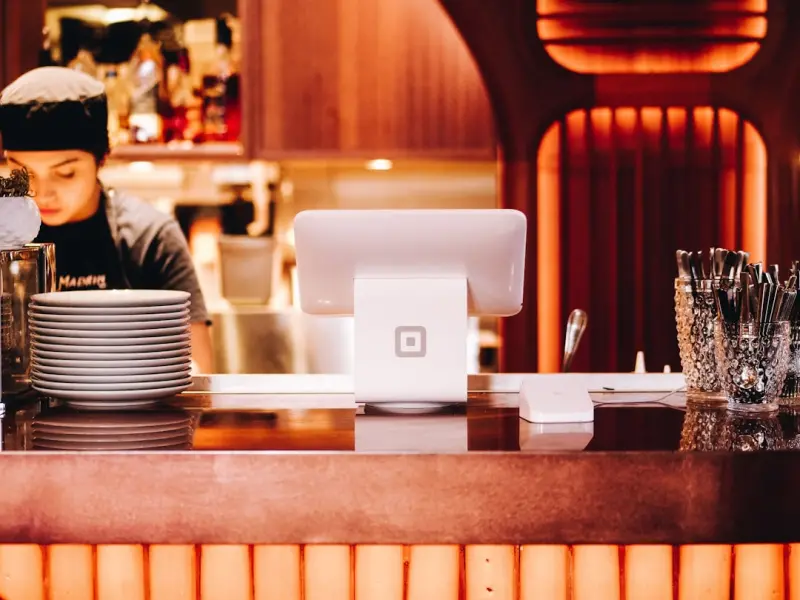
When a chef’s aesthetic sensibility extends beyond the plate, the entire space becomes a reflection of their identity. Minimalist timber, hand‑painted murals, or reclaimed industrial fixtures all serve as visual extensions of the culinary ethos. For example, one restaurant I visited embraced raw concrete walls that echoed the chef’s love for unadorned, elemental flavors, while another featured a vibrant mosaic inspired by the chef’s childhood trips to Mediterranean markets. The environment, therefore, becomes a silent collaborator in the storytelling.
Building Trust Through Transparency
Transparency is a powerful trust‑builder, especially when the chef openly discusses sourcing, waste, and even failures. I recall a chef who posted a daily “mistake board” in the lobby, detailing a dish that didn’t meet expectations and how they plan to improve it. This honesty invites diners into the creative process, making every successful plate feel like a shared victory. It’s a practice that aligns closely with the principles explored in Zero‑Waste Fine Dining, but with a more personal, relational twist.
Curating the Soundtrack of the Kitchen
Sound is often overlooked, yet the chef’s chosen soundtrack can echo their mood and influence the pace of service. A chef who favors classical piano may move dishes with measured precision, while one who loves jazz might encourage a more improvisational flow. The subtle hum of a curated playlist becomes an audible signature, reinforcing the chef’s mood and, by extension, the dining experience—an idea echoed in The Hidden Power of Restaurant Soundtracks.
Pairing Philosophy with Beverage Choices
When chefs collaborate closely with sommeliers, the beverage program mirrors the chef’s culinary narrative, creating a harmonious duet rather than a mere accompaniment. I once tasted a tasting menu where each course was paired with a wine chosen not for its classic compatibility but for its personal resonance with the chef’s travel stories. This thoughtful alignment elevates both food and drink, a concept further explored in Beyond the Plate, where the synergy becomes a narrative thread.
Community as an Extension of the Chef’s Vision
Many chefs view their restaurants as extensions of the communities that nurture them, inviting local artisans, farmers, and musicians into the fold. By hosting pop‑up collaborations with neighboring bakers or showcasing a local painter’s work on the walls, the chef weaves a tapestry that celebrates both personal and communal identity. This approach transforms the restaurant into a living museum of the chef’s influences, making each visit feel like a pilgrimage to a place where culinary art meets hometown pride.
The Lasting Impact of a Chef‑Centric Philosophy
Ultimately, the restaurants that linger in memory are those where the chef’s voice remains audible long after the last bite. Whether through seasonal storytelling, design choices, soundscapes, or community partnerships, a chef‑driven vision creates a holistic experience that transcends fleeting trends. As diners, we become part of an ongoing conversation—one where every plate is a paragraph, every sip a footnote, and the chef’s ethos the compelling narrative that ties it all together.

When it comes to the world of blogging and writing, Rose DesRochers is a name that stands out. Her passion for creating quality content and connecting with her audience has made her a trusted voice in the industry. Aside from her skills as a writer and blogger, Rose is also known for her compassionate nature.
Related Posts
Best Restaurants That Turn Meals Into Stories
Explore the top eateries that weave storytelling into every course, turning each meal into a captiva... Read More
Epic Brunches: The Ultimate Guide to the Best Midday Feasts
Explore the top brunch destinations where seasonal menus, pet‑friendly patios, and standout cockta... Read More
Why Intergenerational Dining Is the Next Big Thing for Restaurants
From kid‑friendly corners to quiet zones for seniors, discover why restaurants that cater to every... Read More
Top Posts
Dining in 2024: Rose DesRochers' Insider Look at the Restaurant Renaissance
From farm‑to‑table narratives to immersive pop‑ups, Rose DesRochers reveals why 2024 feels like a culinary rebirth, highlighting the restaurants that are ...Read More
The Flavor‑First Renaissance: How 2026 Is Redefining Restaurant Storytelling
2026’s dining scene is a flavor‑first renaissance where chefs turn menus into stories, tech enhances immersion, and sustainability becomes a narrative corne...Read More
The Best Restaurants That Turn Meals Into Memorable Stories
Discover the finest eateries that blend storytelling, bold flavors, and sustainable practices, creating unforgettable meals that linger long after the last bite...Read More
Al Fresco Evolution: How Restaurants Are Reimagining Outdoor Dining
Discover the rise of outdoor dining as restaurants redesign patios, rooftops, and pop‑ups, blending sustainability, tech, and hospitality to create unforgetta...Read More
0 Comments
Post Comment
You will need to Login or Register to comment on this post!