
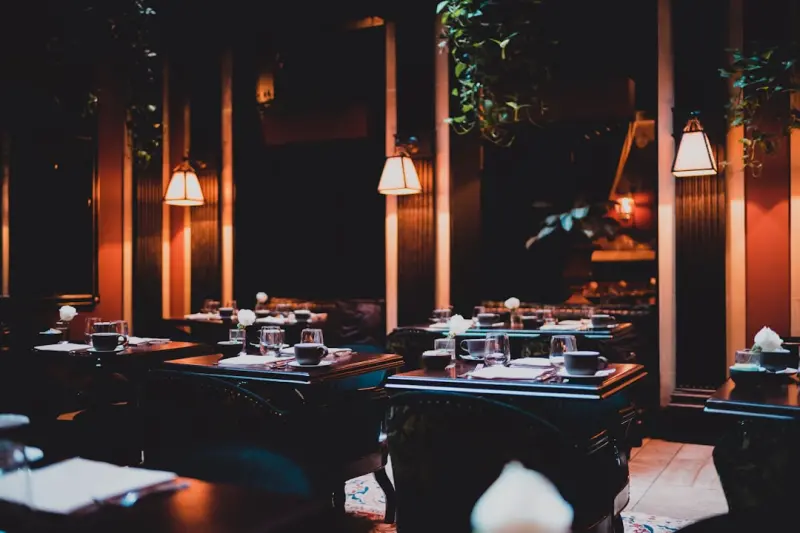
Why Sound Matters More Than You Think
When you step into a restaurant, your ears often pick up the first impression before your eyes even settle on the décor. A thoughtfully curated soundscape can soften the clatter of plates, mask unwanted kitchen noise, and guide the emotional rhythm of a meal, turning a simple dinner into a memorable experience. Studies in sensory psychology reveal that music tempo influences how quickly we eat, while tonal harmony can enhance perceived flavors, making a citrus‑forward dish feel brighter or a rich stew feel cozier. Yet many establishments still treat audio as an afterthought, opting for generic playlists that drown out conversation or clash with the cuisine’s cultural roots. By recognizing that sound is a silent partner in hospitality, restaurateurs unlock a powerful tool that shapes mood, lengthens linger time, and ultimately boosts the bottom line.
Crafting the Perfect Playlist: More Than Background Noise
Creating an effective dining soundtrack starts with aligning music to the restaurant’s brand narrative, not just filling silence with random hits. Curators consider genre, lyrical content, and volume dynamics to match the pace of service and the story the chef wants to tell on the plate. For instance, a minimalist, acoustic set can highlight a farm‑to‑table concept, allowing the natural sounds of a bustling kitchen to become part of the ambience, while a subtle jazz groove may complement an upscale cocktail bar, encouraging leisurely sipping. Importantly, playlists should evolve throughout the day—bright, upbeat tunes for lunch crowds, mellower tones for dinner, and perhaps a quiet acoustic interlude during late‑night service. Restaurants that rotate selections and respond to guest feedback avoid the pitfall of a stale sound loop, keeping the auditory experience fresh and engaging. fresh lens on restaurant value often includes this hidden dimension.
Acoustic Architecture: Designing Spaces for Sound
Just as architects choose materials for visual appeal, they also select surfaces that absorb, reflect, or diffuse sound. Soft upholstery, acoustic panels, and strategically placed wood slats can tame echo and prevent a diner's conversation from being swallowed by reverberation. Conversely, high ceilings and exposed brick can amplify a lively atmosphere when paired with upbeat music. The key is balance: too much absorption creates a muffled environment that kills energy, while excessive reflection results in a chaotic sound field that distracts. Some forward‑thinking eateries even embed hidden speakers behind wall art or beneath table tops, delivering localized audio zones that tailor the experience to different sections—intimate booths might enjoy a gentle piano, whereas a bustling bar area thrives on a low‑beat rhythm. This synergy between physical design and auditory planning turns the entire space into a cohesive sensory canvas.
Local Beats vs. Global Hits: Finding the Right Cultural Mix
Choosing between regional music and mainstream chart‑toppers is more than a branding decision; it signals respect for the local community and the culinary heritage on the menu. A Mexican taqueria that weaves traditional mariachi strings into its evening playlist honors its roots and creates an authentic vibe that resonates with patrons seeking cultural immersion. On the other hand, a cosmopolitan fusion restaurant may blend world‑beat electronica to mirror its eclectic dishes, inviting diners on a global journey without leaving their seats. The challenge lies in curating a mix that feels intentional rather than tokenistic—overusing niche genres can alienate guests, while relying solely on global hits may dilute the restaurant’s unique voice. Thoughtful rotation, seasonal themes, and guest‑curated playlists can strike a harmonious balance, ensuring the audio narrative evolves alongside the menu.
Case Study: The Silent Success of “Whisper & Dine”
“Whisper & Dine,” a boutique bistro tucked in a historic district, reinvented its dining model by embracing near‑silence, punctuated only by soft ambient sounds of nature—birdsong, distant water, and a faint rustle of leaves. Instead of a traditional music program, the owners installed an audio system that plays a curated field‑recording loop, creating an intimate, almost meditative environment that encourages diners to focus on flavors and conversation. This bold move resulted in a 20% increase in table turnover time, as guests lingered longer, savoring each bite, and a 15% boost in repeat reservations within six months. The concept attracted media attention, positioning the bistro as a pioneer in “audio minimalism.” By daring to silence the usual soundtrack, “Whisper & Dine” proved that strategic restraint can become a powerful differentiator, turning the absence of conventional music into a compelling brand story. digital renaissance of AR dining often explores similar innovations, though through visual technology rather than sound.
Future Trends: AI‑Driven Sound Personalization
Artificial intelligence is poised to take restaurant audio to the next level, offering real‑time personalization based on crowd density, time of day, and even individual diner preferences captured via mobile apps. Imagine walking into a venue where the playlist subtly shifts as you approach your table, matching the flavor profile of your order—citrusy notes for a lemon‑herb fish or warm, woody tones for a slow‑cooked lamb. Machine‑learning algorithms can analyze feedback loops—such as how long guests linger after a particular song—and automatically fine‑tune the soundtrack to maximize satisfaction and revenue. While still emerging, pilot programs in select city eateries have reported higher average check sizes and improved online review scores, suggesting that a data‑informed auditory experience may soon become a standard expectation rather than a novelty.
How Diners Can Tune In and Enhance Their Experience
Guests don’t have to be passive recipients of a restaurant’s sound design; they can actively engage to elevate their own meals. Many establishments now offer QR‑code menus that include a “sound pairing” suggestion, recommending a specific track or genre to accompany each course. Some even provide wireless earbuds for private listening, allowing diners to select from curated playlists that match the chef’s vision. By paying attention to volume levels, asking staff about the audio concept, or simply noticing how a song influences their palate, diners become co‑creators of the experience. This collaborative approach fosters a deeper connection to the venue, turning a routine outing into a multi‑sensory adventure worth sharing on social media and recommending to friends.
Takeaway: Sound as a Strategic Asset
In the competitive world of hospitality, every sensory cue contributes to the overall perception of value, and sound is arguably the most underutilized. From acoustic architecture that shapes the room’s resonance to AI‑driven playlists that respond to real‑time data, the possibilities for integrating audio into the dining narrative are expansive. Restaurateurs who invest in a purposeful sound strategy not only differentiate their brand but also unlock measurable benefits—longer dwell times, higher check averages, and stronger guest loyalty. For diners, an attentive ear can transform a meal from merely nourishing to truly unforgettable. As the industry continues to explore the interplay of taste, sight, and touch, the next frontier lies in mastering the subtle art of listening.

When it comes to the world of blogging and writing, Rose DesRochers is a name that stands out. Her passion for creating quality content and connecting with her audience has made her a trusted voice in the industry. Aside from her skills as a writer and blogger, Rose is also known for her compassionate nature.
Related Posts
When Loyalty Becomes Luxury: How Restaurants Turn Rewards into Experiences
Explore the shift from traditional points systems to immersive, experience‑driven loyalty programs... Read More
Dining as Narrative: How Restaurants Turn Meals into Stories
Discover the rise of narrative dining, where chefs craft meals as stories, engaging all senses and t... Read More
The Flavor‑First Renaissance: How 2026 Is Redefining Restaurant Storytelling
2026’s dining scene is a flavor‑first renaissance where chefs turn menus into stories, tech enha... Read More
Top Posts

Community‑Centric Restaurants: Why Local Hubs Are the New Culinary Gold
Discover why the best restaurants today act as community hubs—offering shared spaces, local collaborations, and authentic storytelling that turn meals into la...Read More

The Ultimate Foodie’s Guide to the Best Restaurants That Tell a Story
Discover how the best restaurants turn meals into compelling stories, merging taste, ambiance, and local culture for an unforgettable dining adventure....Read More
Fine Dining 2026: The Sensory Storytelling Revolution
Fine dining in 2026 has become an immersive, story‑driven experience, blending flavor, sustainability, tech, and collaboration for unforgettable sensory journ...Read More

Tech‑Infused Dining: The Restaurants Turning Meals into Interactive Adventures
Discover the rise of tech‑infused restaurants where augmented reality menus, projection‑mapped plates, and robotic service turn meals into interactive adven...Read More
0 Comments
Post Comment
You will need to Login or Register to comment on this post!