
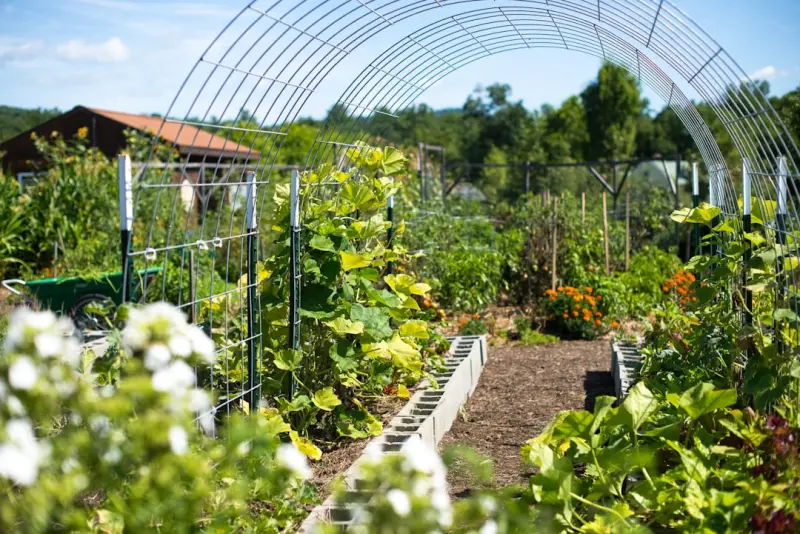
The Allure of Hyper‑Local Menus
In a dining world saturated with global flavors and high‑tech gimmicks, a quiet revolution is sprouting in the back‑of‑house: restaurants that literally grow the ingredients they serve. This hyper‑local approach turns the kitchen into a living pantry, allowing chefs to harvest basil minutes before it meets a plate and to pluck heirloom tomatoes at the exact moment they hit peak sweetness. The result is a flavor purity that outshines even the most meticulously sourced supply chains, and it taps into a growing consumer desire for transparency, as diners can watch their salad being assembled from seedlings they helped nurture. For those curious about the lineage of culinary authenticity, the story echoes the timeless dedication found in family‑run legacy restaurants, yet it adds a modern, garden‑to‑plate twist that feels both nostalgic and groundbreaking.
Growing Inside the City: Urban Rooftop Gardens
City‑centered eateries are reclaiming underutilized spaces—rooftops, balcony terraces, and even vacant storefront windows—to cultivate micro‑farms that feed directly into their menus. These vertical gardens employ hydroponic towers, aeroponic misting systems, and reclaimed rainwater, creating a self‑sustaining ecosystem that can produce leafy greens, micro‑herbs, and edible flowers year‑round despite the concrete jungle overhead. Patrons who dine beneath a canopy of living greens report an unexpected sense of calm, as the scent of fresh soil mingles with the aromas of simmering sauces, turning a simple dinner into an immersive agricultural experience that blurs the line between farm and table.
The Chef’s Narrative: From Soil to Sauce
Chefs at hyper‑local restaurants have become storytellers, weaving the life cycle of each ingredient into the menu narrative. They walk diners through the planting calendar, explaining how a seedling’s exposure to sunlight, temperature fluctuations, and soil composition influences the nuanced taste of a finished dish, turning a plate into a living chronicle of the garden’s rhythm. By sharing these intimate details, chefs empower guests to appreciate the labor and love embedded in each bite, fostering a deeper connection that goes beyond the fleeting pleasure of flavor and into the realm of culinary education.
Guest Experience: Tasting the Terroir
When diners encounter produce harvested mere minutes before service, the palate registers a vivid freshness that mass‑produced ingredients simply cannot mimic. The crisp snap of a lettuce leaf, the bright acidity of a vine‑ripped strawberry, and the aromatic punch of garden‑grown thyme combine to create a sensory symphony that feels both immediate and profoundly rooted in place. This garden‑to‑plate authenticity encourages repeat visits, as patrons develop a loyalty not only to the food but to the living story behind each seasonal offering, making every reservation feel like a private invitation to the chef’s own backyard.
Sustainability Wins: Zero‑Waste Kitchen Practices
Hyper‑local restaurants naturally excel at waste reduction, as they can repurpose stems, leaves, and even soil‑bound roots into stocks, pestos, and garnish, turning potential trash into culinary treasure. By closing the loop between garden and kitchen, they minimize transportation emissions, shrink packaging needs, and dramatically lower their carbon footprint, a benefit that resonates with eco‑conscious diners. This commitment mirrors the ethos explored in community‑centric restaurants, yet it pushes the sustainability narrative further by integrating food production directly into the dining venue, creating a self‑contained ecosystem that champions zero‑waste principles.
Economic Impact: Supporting Local Farmers and Workers
Beyond the plate, hyper‑local establishments stimulate urban economies by hiring horticultural staff, partnering with nearby seed suppliers, and offering apprenticeship programs for aspiring urban farmers. These jobs often provide fair wages and skill development opportunities that are scarce in traditional restaurant settings, fostering a new class of food‑system workers who understand both agronomy and gastronomy. Moreover, the presence of a thriving garden can increase foot traffic, boost neighboring businesses, and inspire community‑wide interest in sustainable agriculture, creating a ripple effect that extends far beyond the restaurant’s walls.
Overcoming Obstacles: Climate, Space, and Regulation
Operating a garden in a densely populated city is not without its challenges; fluctuating micro‑climates, limited square footage, and stringent health codes can impede growth cycles and menu planning. Innovative chefs respond by selecting hardy, fast‑growing varieties, employing modular grow‑systems that can be reconfigured for seasonal demands, and working closely with municipal officials to secure permits that recognize the dual role of these spaces as both food production sites and dining venues. Through trial, error, and a relentless commitment to adaptation, many establishments have turned these constraints into creative opportunities, proving that resilience is a key ingredient in the hyper‑local recipe.
The Road Ahead: Hyper‑Local as a Mainstream Movement
As consumer appetite for transparency, sustainability, and authentic taste continues to rise, the hyper‑local model is poised to become a staple rather than a niche curiosity. Emerging technologies—such as AI‑driven climate controls and blockchain traceability—promise to streamline garden management and enhance food safety, making it easier for more restaurants to adopt on‑site cultivation. When diners leave a table knowing that the herbs on their plate were nurtured just steps away, they carry that story home, sparking demand for similar experiences elsewhere and cementing hyper‑local dining as a defining trend of the future culinary landscape.

When it comes to the world of blogging and writing, Rose DesRochers is a name that stands out. Her passion for creating quality content and connecting with her audience has made her a trusted voice in the industry. Aside from her skills as a writer and blogger, Rose is also known for her compassionate nature.
Related Posts
The Hunt for Restaurants That Turn Meals Into Stories
Dive into a foodie’s quest for restaurants where every bite tells a story, blending ambience, chef... Read More
The Pursuit of Gastronomic Excellence: A Journey Through the World's Best Restaurants
Join me on a culinary journey through the world's best restaurants, where exceptional fine dining ex... Read More

Restaurant Road Trips: Crafting Unforgettable Culinary Journeys
Explore the art of restaurant road trips, where each stop offers a unique flavor story, practical pl... Read More
Top Posts

The Hidden Rise of Ghost Kitchens: How Invisible Restaurants Are Redefining Dining
Discover the silent surge of ghost kitchens, the tech behind data‑driven menus, and how diners can shape this invisible dining revolution....Read More
Hands‑On Flavor: The Best Restaurants Where Diners Cook Together
From open‑kitchen studios to tabletop grill stations, these eateries invite you to roll up your sleeves, share the prep, and savor dishes you helped create—...Read More

How Color Psychology is Redefining the Restaurant Experience
Explore the subtle power of color in restaurants—from appetite‑boosting reds to calming blues—and learn how designers and chefs use hue to craft immersive...Read More

Becky Putman's Insider Guide: How I Spot the Best Restaurants Before the First Bite
Becky Putman reveals her unique method for uncovering the best restaurants—listening to kitchen whispers, valuing storytelling, and championing community‑fo...Read More
0 Comments
Post Comment
You will need to Login or Register to comment on this post!