
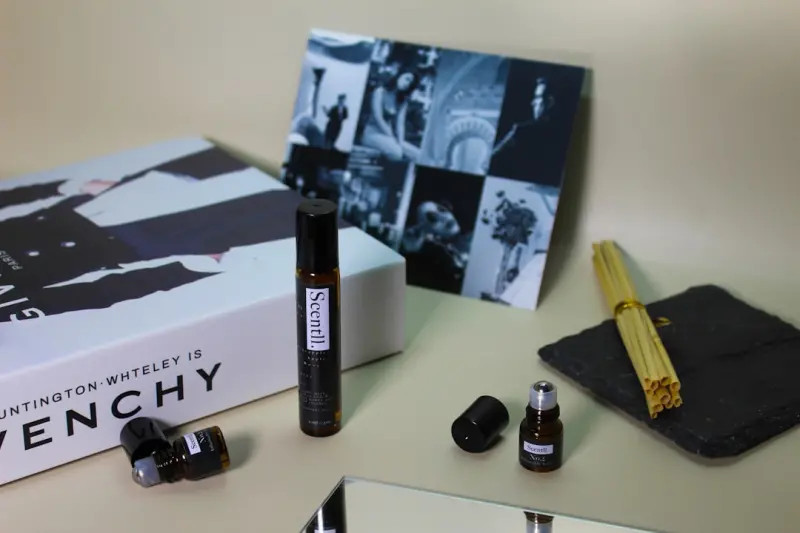
Why Smell Matters More Than You Think
When I first stepped into a dimly lit dining room and inhaled the subtle perfume of citrus‑infused rosemary, I realized that the olfactory cue was silently directing my anticipation long before the first bite arrived; this invisible layer of perception can dictate the entire emotional trajectory of a meal, turning a simple dinner into a multisensory narrative that lingers in memory. The science of scent is rooted in the brain’s limbic system, the very hub that processes emotion and memory, so a carefully chosen aroma can conjure nostalgia, intrigue, or even a sense of adventure, all without a word spoken. In practice, elite chefs now collaborate with perfumers, horticulturists, and even neuroscientists to design scent bouquets that complement each course, a practice that feels as avant‑garde as any molecular gastronomy technique.
Designing a Scent Map for the Table
Creating an olfactory map begins with a deep dive into the season’s botanical bounty, selecting ingredients whose volatile compounds harmonize with the flavor profile of each dish; for example, a spring menu may feature delicate violet and green tea notes that echo a lightly seared scallop, while a winter offering could embrace smoky cedar and spiced orange to echo a braised short rib. Once the scent palette is defined, the challenge shifts to delivery—whether through subtly scented napkins, aromatic mist spritzes, or even heated scent diffusers placed beneath the tablecloth, each method must be calibrated so the aroma arrives at the precise moment the palate is ready, never overwhelming the senses. I’ve found that integrating scent at the point of service, much like a conductor cues an orchestra, creates a synchronized experience that feels intentional yet effortless, a secret that many upscale establishments are now quietly perfecting.
Learning from Other Senses
While scent is often the under‑explored sibling of taste and sight, its interplay with sound and visual design offers a fertile ground for innovation; a recent study showed that the same fragrance can taste sweeter when paired with a high‑pitched melody, a principle that reminds me of the insights shared in When Sound Meets Flavor, where auditory cues shaped flavor perception. By aligning aroma with lighting—soft amber hues for warm, earthy aromas, crisp white light for citrusy bursts—restaurants can craft a cohesive atmosphere that feels like stepping into a story rather than a mere meal; the visual cue reinforces the scent, allowing diners to subconsciously associate color with aroma in a way that deepens engagement. This cross‑sensory choreography not only elevates the dining journey but also encourages repeat visits, as guests return to relive the harmonious blend of scent, sound, and sight that defined their previous experience.
The Practicalities of Scent Integration
Implementing a scent program requires more than artistic flair; it demands rigorous testing for allergen safety, scent intensity, and sustainability, ensuring that the aromatic elements do not clash with ventilation systems or linger in ways that could affect subsequent diners; many kitchens now employ air‑flow modeling software, the same technology used in high‑end wineries to protect delicate wine aromas, to predict how a chosen fragrance will travel across a room. Moreover, the sourcing of natural essential oils and botanical extracts must align with ethical standards, as the fine‑dining audience increasingly scrutinizes the provenance of every ingredient, a concern echoed in discussions about sustainability across the industry. By partnering with certified farms and fair‑trade producers, chefs can weave ethical storytelling into each scented note, reinforcing the restaurant’s brand values while delivering an unforgettable sensory crescendo.
Case Studies: Scent‑Led Success Stories
One boutique restaurant in the Pacific Northwest introduced a “forest floor” aroma during its mushroom‑centric tasting menu, releasing a mist of pine and damp earth just as the foraged chanterelle course arrived; diners reported a heightened perception of umami, describing the experience as “walking through a misty woodland” and leaving glowing reviews that boosted reservations by 30 percent within weeks. Another urban bistro experimented with a citrus‑lavender vapor that accompanied its palate‑cleansing sorbet, noting that the fragrant interlude not only refreshed the taste buds but also reduced the perceived acidity of the following cheese course, a subtle trick that delighted even the most discerning palate. These real‑world examples illustrate how thoughtful scent design can translate directly into measurable business benefits, reinforcing the idea that olfactory innovation is not merely aesthetic but also a strategic growth lever.
Training Staff to Become Scent Ambassadors
Just as servers are trained to describe wine notes, they must also become fluent in the language of aroma, learning to articulate the source, intensity, and intended emotional impact of each scent cue; role‑playing scenarios where staff guide guests through a “scent journey” can transform a simple explanation into an immersive storytelling moment, fostering a deeper connection between the diner and the kitchen’s creative vision. Ongoing education, perhaps through workshops with professional perfumers, equips the front‑of‑house team with the confidence to answer curious questions, turning potential skepticism into enthusiasm and ensuring that the olfactory element is presented as a deliberate, celebrated component of the overall experience. This approach mirrors the hospitality principles discussed in Why Restaurant Staff Wellness Is the Secret Ingredient, where empowered staff elevate the entire service ecosystem.
Future Trends: AI‑Curated Fragrances and Personalization
Looking ahead, artificial intelligence promises to refine scent creation by analyzing guest preferences, past orders, and even biometric feedback to generate personalized fragrance profiles that adapt in real time, a concept that could soon allow diners to receive a bespoke aromatic signature with each course, tailored to their unique palate and mood. Imagine a reservation system that records a guest’s favorite spice blend and, upon arrival, subtly infuses the table’s ambient scent with matching notes, creating an instant sense of familiarity and welcome; such hyper‑personalization blurs the line between hospitality and intimacy, setting a new benchmark for luxury service. As these technologies mature, the fine‑dining landscape will likely witness an explosion of scent‑driven experiences, positioning aroma as a cornerstone of culinary innovation alongside flavor and presentation.
Crafting Your Own Olfactory Narrative
For chefs and restaurateurs eager to embark on this aromatic adventure, the first step is to audit your existing menu and identify emotional touchpoints where scent could amplify storytelling, whether it’s a nostalgic family recipe or a daring experimental dish; from there, collaborate with trusted scent artisans to prototype subtle aromatic accents, testing them with a small group of regular patrons to gauge response and fine‑tune intensity. Document the journey, sharing behind‑the‑scenes insights with your audience through social media or in‑house tasting events, because transparency builds trust and invites guests to become co‑creators of the sensory experience. By weaving scent into the fabric of your culinary narrative, you not only differentiate your establishment in a crowded market but also gift diners a multidimensional memory that lingers long after the plate is cleared, turning a night out into a fragrant story they’ll recount again and again.

When it comes to the world of blogging and writing, Rose DesRochers is a name that stands out. Her passion for creating quality content and connecting with her audience has made her a trusted voice in the industry. Aside from her skills as a writer and blogger, Rose is also known for her compassionate nature.
Related Posts
Scent and Sophistication: The Hidden Layer Elevating Fine Dining
Explore the invisible power of scent in fine dining, how chefs craft aromatic atmospheres, and what ... Read More
The Art of Exceptional Fine Dining: A Journey of Passion and Excellence
Fine dining is a lifelong passion that elevates the senses and creates unforgettable experiences. Jo... Read More
The Secret Rise of Pop‑Up Fine Dining: How Fleeting Feasts Are Redefining Luxury
Discover the allure of pop‑up fine dining—ephemeral venues, storytelling menus, and sustainable ... Read More
Top Posts
Beyond the Plate: How Fine Dining is Elevating the Art of Beverage Pairing
Fine dining is now spotlighting drinks as narrative partners—explore craft spirits, interactive pairings, and AI‑driven mixology reshaping the culinary stag...Read More
The Sensory Revolution: Why 2026’s Restaurants Are Storytelling Feasts
Discover the 2026 dining renaissance where flavor leads, tech enhances, and every meal becomes a multisensory story you can’t miss....Read More

Zero‑Waste Dining: The Fresh Standard for Today’s Best Restaurants
Zero‑waste isn’t a fad—it's becoming the benchmark for the best restaurants, from menu design to kitchen tech, proving that sustainability can taste spect...Read More
The Pursuit of Culinary Perfection: My Top Picks for the Best Restaurants
Join me on a culinary journey as I share my top picks for the best restaurants around the world. From exceptional service to innovative cuisine, learn what make...Read More
0 Comments
Post Comment
You will need to Login or Register to comment on this post!