
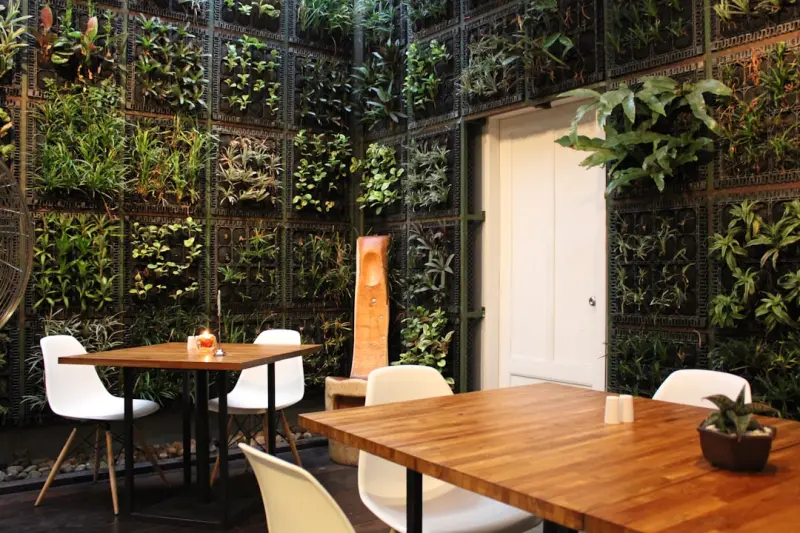
Why Nature is the New Table Setting
Walking into a restaurant that feels more like a forest clearing than a conventional dining room instantly changes my appetite and mindset. I’ve discovered that biophilic design—the intentional integration of natural elements—creates a subtle, yet powerful, backdrop that encourages guests to linger, converse, and savor each bite more mindfully. This shift from sterile white walls to living, breathing environments is redefining what we expect from a night out, turning the act of eating into a holistic, restorative experience.
The Science Behind Green Walls and Happy Bellies
Research in environmental psychology shows that exposure to greenery reduces cortisol levels, which in turn can heighten taste perception and improve digestion. When diners are surrounded by foliage, the brain associates the setting with health and vitality, leading to a subconscious belief that the food will be fresher and more nourishing. The result is a measurable increase in both satisfaction scores and repeat visits, proving that a simple leaf can be as influential as a perfectly plated entrée.
From Wood Floors to Water Features: Tangible Touchpoints
In practice, biophilic design isn’t limited to potted plants; it embraces a spectrum of textures, sounds, and scents that mimic the outdoors. Reclaimed timber tables, stone countertops, and gently trickling water installations each contribute to a multisensory narrative that grounds the diner in a natural rhythm. By carefully selecting materials that age gracefully and emit organic aromas, restaurateurs can craft an environment that feels timeless, inviting, and subtly luxurious without the need for ostentatious décor.
Case Study: The Greenhouse Bistro’s Success Story
One local favorite, The Greenhouse Bistro, transformed its cramped downtown space into a lush oasis by installing a living wall behind the bar and replacing fluorescent lighting with soft, amber fixtures that mimic sunrise. The owners credit the dramatic uptick in reservations to the ambience, noting that patrons frequently comment on how the setting “makes the food taste better.” For those curious about how seasonality can enhance this concept, check out our piece on seasonal storytelling, which explores complementary strategies for aligning menu cycles with natural cues.
Boosting Staff Well‑Being Through Natural Spaces
Employees, too, reap the rewards of a nature‑infused workplace; studies reveal that staff who operate in biophilic settings report lower fatigue and higher job satisfaction. When the back‑of‑house includes small indoor gardens or wooden prep stations, the daily grind feels less mechanical and more collaborative, fostering a sense of pride in the environment they help maintain. This positive atmosphere often translates into better service, as servers and chefs alike become ambassadors of the restaurant’s holistic philosophy.
Sustainability Synergy: Growing Food and Design Together
Integrating biophilic elements can dovetail with a restaurant’s commitment to locally sourced produce, creating a seamless narrative from farm to table. By collaborating with the urban farm‑to‑table movement, establishments can showcase miniature herb gardens or hydroponic stations that supply fresh garnishes straight to the kitchen. This visible connection reinforces transparency, reduces transportation emissions, and gives diners confidence that their meals are rooted—literally and figuratively—in sustainable practices.
Tech‑Enabled Biophilia: Smart Lighting and Responsive Environments
Modern technology amplifies the impact of natural design by adjusting light temperature and intensity to mirror the sun’s arc throughout the day. Sensors can dim lights as evening approaches, while soundscapes of rustling leaves or distant birdcalls subtly shift to match the time of day, creating an immersive experience that feels both organic and high‑tech. When diners notice that the environment intuitively adapts to their presence, they feel valued, which encourages longer stays and higher average checks.
Practical Steps for Restaurateurs Ready to Go Green
For owners eager to experiment, start small: introduce a few hardy succulents on each table, replace harsh LED strips with warm, dimmable bulbs, and incorporate reclaimed wood accents on the bar. Next, consider a modest vertical garden that can double as a backdrop for the bar or a decorative partition, ensuring it’s maintained by a dedicated caretaker. Finally, integrate the design narrative into your marketing—share behind‑the‑scenes photos of plant care and explain how the natural setting enhances flavor, turning every visit into a story worth repeating.

Becky Putman is an Ottawa-based freelance writer and marketing professional with a passion for storytelling, animals, and community involvement. She enjoys creating engaging content that informs, inspires, and connects with readers.
Related Posts

The Secret Ingredient: How Staff Stories Turn Diners Into Loyal Fans
Explore how authentic staff stories create deeper connections with diners, boost repeat visits, and ... Read More
The Secret Narrative Behind Every Fine‑Dining Plate
Explore the art of narrative dining, where chefs, ambience, and service collaborate to turn each cou... Read More
Why 2026’s Hottest Restaurants Are Redefining the Dining Experience
Discover the 2026 restaurant renaissance where narrative, sustainability, and immersive tech turn ea... Read More
Top Posts
Reviving Forgotten Techniques: Heritage Cooking Takes Center Stage in Fine Dining
Chefs are breathing new life into ancient cooking methods, creating a fine‑dining experience that marries history, flavor, and storytelling....Read More
The Narrative Plate: How Fine Dining Transforms a Meal into a Story
Explore the art of fine‑dining storytelling, where every dish, wine, and setting becomes a chapter in a memorable culinary narrative....Read More
How Restaurants Use Music to Shape Your Dining Experience
Explore the hidden power of restaurant playlists and live music, and how soundscapes can transform flavors, mood, and overall dining experiences....Read More

Hidden Gems: The Pop‑Up Pulse Driving the Best Restaurants
Discover the secret world of rotating pop‑up experiences that keep chefs innovative, diners curious, and restaurants at the forefront of culinary excellence....Read More
0 Comments
Post Comment
You will need to Login or Register to comment on this post!