
Why Storytelling Matters in Modern Dining
When I step into a restaurant that feels more like a stage than a kitchen, I’m instantly reminded that a meal is a conversation between chef, ingredient, and guest, each bite delivering a line of narrative that lingers long after the plate is cleared; this shift from mere sustenance to immersive storytelling has redefined my expectations, turning ordinary evenings into chapters of a culinary novel that I eagerly anticipate reading again and again. The most compelling eateries today weave their menus with the same care a novelist uses to plot a thriller, layering flavors, textures, and aromas so deliberately that every course feels like a plot twist, a revelation, or a comforting resolution that satisfies both palate and imagination. For those curious about the broader movement, check out The Best Restaurants Turning Meals Into Memorable Stories to see how chefs are scripting experiences that transcend the plate.
The Rise of Narrative-Driven Menus
In recent months, I’ve observed a surge of menus that read like short stories, each dish introduced with a brief anecdote about its origin, the farmer who tended the soil, or the cultural myth that inspired its flavors, turning the act of ordering into a collaborative act of imagination where diners become co‑authors of the evening’s tale. This approach not only deepens the emotional connection to the food but also educates guests, inviting them to savor history and heritage as readily as they savor butter‑glazed carrots or a perfectly seared scallop, making every forkful a lesson in geography, tradition, and personal memory. To explore how this trend is reshaping fine dining, dive into Savoring the Narrative: Inside Today’s Story‑Driven Fine Dining, where chefs reveal the storytelling techniques that turn a tasting menu into a compelling saga.
Designing Spaces That Speak
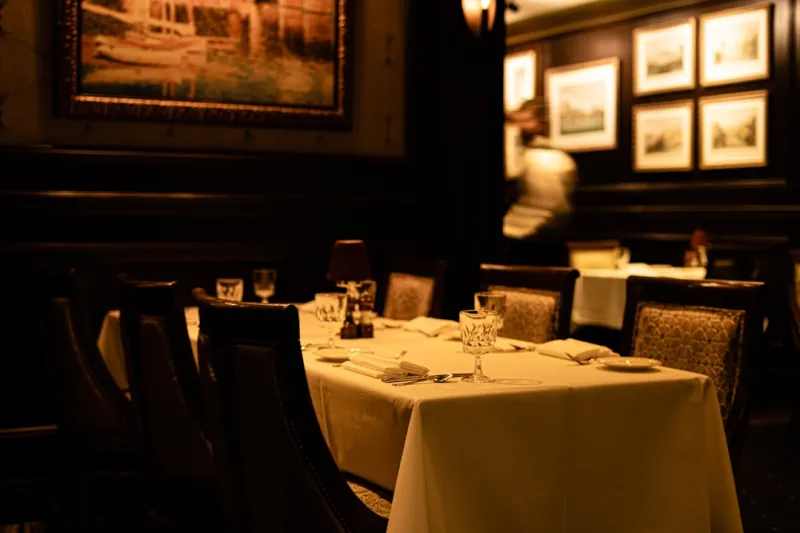
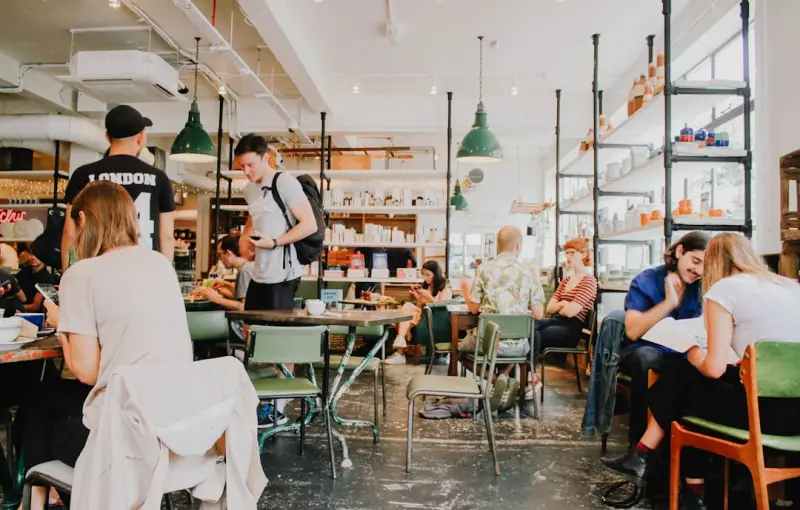
Beyond the food itself, the ambiance of today’s top restaurants acts as a silent narrator, with lighting, décor, and even tableware chosen to echo the story being told on the plate, so that when I sit at a reclaimed‑wood table beneath a mural of a coastal sunrise, I instantly feel the ocean breeze that inspired the chef’s citrus‑infused fish, creating a multisensory tableau that blurs the line between visual art and gastronomy. The meticulous curation of these environments ensures that every element—whether it’s the soft hum of a vinyl jazz record or the subtle scent of pine needles—reinforces the culinary plot, guiding diners through chapters of anticipation, climax, and denouement without a single word spoken. Such holistic storytelling is why I keep returning to venues that treat the dining room as a narrative canvas, a practice that also elevates the staff’s role to that of actors delivering lines with poise and passion.
Chef‑Driven Storytelling: From Inspiration to Execution
Conversations with chefs reveal that their creative process often begins with a personal memory or a cultural legend, which they then translate into flavor pairings, plating techniques, and even the rhythm of service, ensuring that each plate is a tangible embodiment of an abstract idea, a philosophy, or a cherished moment from their past that they wish to share with the world. When a chef speaks of “the first time I tasted mango in a bustling Bangkok market,” the resulting dish might feature a delicate mango purée, a whisper of lemongrass, and a garnish of edible flowers that together evoke the chaos, color, and sweetness of that memory, allowing diners like me to travel without leaving our seats. This intimate connection between story and sustenance is the secret sauce behind many acclaimed establishments, and it’s precisely this alchemy that makes the dining experience feel both personal and universal.
Community and Collaboration in Narrative Dining
One of the most rewarding aspects of this storytelling renaissance is the way it invites collaboration between chefs, farmers, artists, and patrons, forming a community that co‑creates the narrative, where the farmer’s dedication to sustainable practices becomes a subplot that enriches the main storyline of the meal, and local artists contribute visual motifs that echo the flavors, turning each dinner into a collective artwork. By highlighting the provenance of each ingredient—whether it’s a heirloom tomato nurtured in a backyard garden or a rare spice sourced from a distant cooperative—restaurants empower diners to feel a sense of responsibility and pride, fostering a deeper appreciation for the interconnected web that brings food to the table. This communal narrative not only elevates the culinary experience but also builds lasting bonds that extend beyond the restaurant walls, encouraging repeat visits and word‑of‑mouth that spreads the story far and wide.
Technology’s Role in Enhancing the Narrative
Modern technology has become an indispensable narrator, with QR codes, interactive tablets, and augmented reality menus allowing chefs to supplement the physical dish with video clips, behind‑the‑scenes footage, or even soundscapes that echo the environment that inspired the recipe, turning a simple tasting of truffle‑infused risotto into an immersive journey through a misty forest where the truffles were foraged at dawn. These digital layers add depth without overwhelming the senses, offering guests the choice to explore the story at their own pace, whether they prefer a succinct description or an in‑depth documentary, thereby respecting diverse preferences while still delivering a cohesive narrative experience. As technology continues to evolve, I anticipate even richer storytelling tools that will further blur the boundaries between culinary art and interactive media, creating memories that are as vivid as the flavors themselves.
Choosing Restaurants That Prioritize Storytelling
When selecting a dining destination, I now look beyond star ratings and focus on how a restaurant communicates its story—does the menu offer context, do the servers share anecdotes, and does the space feel intentionally designed to support the narrative, because these cues signal a commitment to a holistic experience that engages mind, heart, and taste buds simultaneously? Reviews that mention “the chef’s personal touch,” “thoughtful plating,” or “a journey through flavors” often indicate that the establishment has invested in storytelling as a core philosophy, and these establishments tend to deliver meals that linger in memory long after the last dessert plate has been cleared. For a curated list of such venues, explore When a Plate Becomes a Story, where I share my top picks that consistently turn dining into a narrative adventure worth repeating.
Looking Ahead: The Future of Story‑Driven Dining
As the culinary world continues to embrace storytelling, I foresee a future where every restaurant becomes a storyteller, each menu a manuscript, and every reservation an invitation to a premiere, with diners becoming active participants who co‑author the experience through feedback, social sharing, and even personal contributions to the evolving narrative, creating a dynamic, ever‑changing tapestry of flavors and tales. This evolution will likely inspire new hybrid concepts that blend pop‑up dining, immersive theater, and community workshops, blurring the lines between chef, audience, and storyteller, and inviting a broader audience to engage with food as a cultural and emotional medium rather than a mere commodity. In this brave new world of narrative cuisine, the possibilities are limitless, and I can’t wait to keep exploring, tasting, and sharing the stories that make each bite unforgettable.

Becky Putman is an Ottawa-based freelance writer and marketing professional with a passion for storytelling, animals, and community involvement. She enjoys creating engaging content that informs, inspires, and connects with readers.
Related Posts

From Soil to Plate: How Local Farms Shape the Best Restaurants
Explore the farm‑to‑table revolution that powers top restaurants, where local growers and chefs ... Read More
Exploring the Top Restaurants That Redefine the Tasting Menu Experience
A guide to restaurants that transform tasting menus into adventurous experiences through seasonal cr... Read More
Hidden Gems: The Ultimate Guide to Restaurants That Wow Your Palate
Discover hidden‑gem eateries that surprise with creative cocktails, seasonal dishes, and genuine h... Read More
Top Posts
A Fresh Lens on the Best Restaurants: Value, Surprise, and Sweet Endings
Uncover a fresh perspective on the best restaurants, highlighting hidden gems, daring flavor combos, standout desserts, immersive drinks, and family‑friendly ...Read More

Best Restaurants 2026: A Flavor‑First Adventure
Discover the 2026 restaurant scene through Rose DesRochers’ lens—where flavor‑first philosophy, storytelling, and immersive tech create unforgettable dini...Read More

My Flavor‑First Voyage Through the City’s Most Talked‑About Restaurants
Join me on a flavor‑first quest through the city’s most talked‑about eateries, where every plate tells a story and the experience lingers long after the m...Read More
The Rise of Wellness‑Focused Dining: How Restaurants Are Feeding Body and Mind
Explore the growing trend of wellness‑focused restaurants that combine delicious flavor with health‑boosting ingredients, mindful atmospheres, and chef coll...Read More
0 Comments
Post Comment
You will need to Login or Register to comment on this post!