
Dining Among the Echoes: Why Historic Venues Elevate the Restaurant Experience
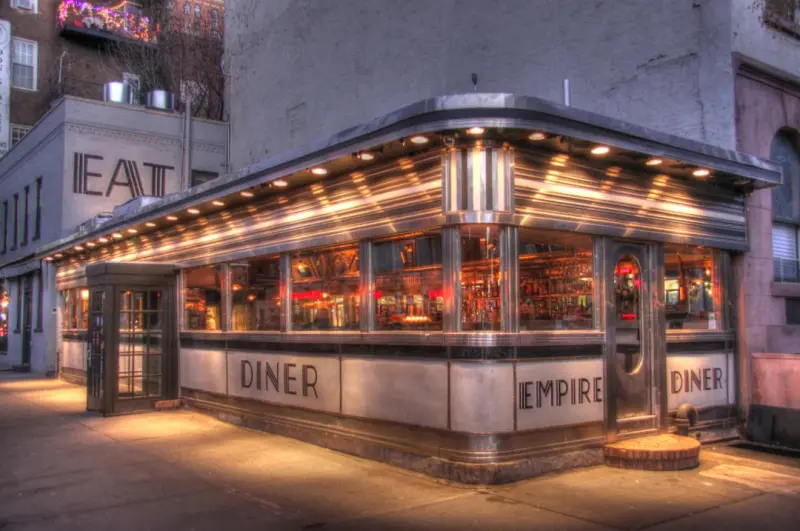
Stepping into a restaurant that occupies a building with a storied past instantly transports you beyond the plate, turning a meal into a dialogue with time. Historic walls whisper stories that chefs weave into every course, creating a layered narrative that modern glass‑and‑steel spaces rarely replicate. For me, the allure lies not only in the décor but in the sense that each bite is anchored to a lineage of events, celebrations, and even revolutions that once unfolded on the same floor.
The Architecture of Atmosphere: How Heritage Spaces Shape the Senses
When vaulted ceilings, reclaimed brick, or original hardwood floors greet you, the ambiance becomes a silent partner to the chef’s artistry. The subtle creak of an aged staircase or the glow of antique sconces frames each dish, amplifying flavors through visual and tactile cues. This is where design meets gastronomy, a synergy highlighted in The Art of Tableware, proving that the setting can be as thoughtfully curated as the menu itself.
Menu Storytelling: Translating History into Flavor
Chefs in historic venues often treat the menu as a chronicle, selecting ingredients that echo the building’s origin or the era it represents. A restaurant housed in a former shipyard might showcase coastal foraged greens, while a manor‑turned‑dining room could serve heritage breeds raised on the estate’s own pastures. By aligning the culinary narrative with the location’s heritage, diners receive a cohesive experience where flavor and folklore converge.
Case Study: The Grand Station – From Railway Hub to Gourmet Destination
Located in a refurbished 19th‑century railway station, The Grand Station preserves the original ironwork and glass canopy while housing a contemporary tasting menu. Diners sit beneath the expansive skylight once used to guide travelers, now illuminating plates of smoked trout sourced from the nearby river, a nod to the station’s role in transporting fresh catches. The kitchen’s open layout mirrors the bustling concourse, allowing guests to watch chefs orchestrate a culinary departure as seamlessly as a departing train.
Case Study: Whisper & Rye – The Speakeasy Reimagined
Hidden behind an unmarked brass door, Whisper & Rye resurrects the clandestine charm of a Prohibition‑era speakeasy, complete with secret compartments and muted jazz tones. The menu pays homage to the era’s covert indulgences, offering a modern take on classic cocktails paired with dishes like braised short ribs glazed with a bourbon reduction. Each reservation feels like a privileged entry into a time capsule, where the thrill of secrecy enhances the sensory pleasure of the meal.
Case Study: Saint Lucien’s Cloister Kitchen – Monastic Roots, Modern Refinement
Set within a centuries‑old monastery, Saint Lucien’s transforms stone cloisters into an intimate dining hall where silence is reverent and service is deliberate. The chef sources herbs from the garden once tended by monks, incorporating rosemary, sage, and thyme into a delicate lamb consommé that echoes centuries of monastic cooking traditions. The experience is punctuated by candlelight and the faint echo of chants, reminding diners that hospitality has long been a sacred practice.
Finding Hidden Historic Gems: A Practical Guide
Start by exploring local heritage registers or historic district maps; many listed buildings house restaurants eager to share their story. Online travel forums often spotlight eateries that have repurposed old factories, banks, or schools, offering clues that mainstream guides may overlook. For a curated list of such venues, see Neighborhood Treasures, which frequently highlights establishments where the past and palate intersect.
Beyond the Present: The Future of Historic Dining Experiences
As diners increasingly seek authenticity, restaurateurs are turning to preservation societies and adaptive‑reuse grants to revive forgotten structures. Technology will play a subtle role, offering augmented reality overlays that reveal a building’s former purpose without detracting from the tactile atmosphere. The next wave of historic dining will blend meticulous restoration with innovative storytelling, ensuring that every reservation feels like stepping into a living museum where each course is an exhibit.
Conclusion: Savoring Time as Much as Taste
Choosing a restaurant housed in a historic building is an invitation to dine with the past, to let architecture, ambiance, and culinary craft coalesce into a singular memory. When the walls have witnessed centuries, they add gravitas to the flavors, turning a simple meal into an immersive journey. Embrace these hidden sanctuaries, and you’ll discover that the most unforgettable dishes are those that taste of history, heritage, and heartfelt hospitality.

When it comes to the world of blogging and writing, Rose DesRochers is a name that stands out. Her passion for creating quality content and connecting with her audience has made her a trusted voice in the industry. Aside from her skills as a writer and blogger, Rose is also known for her compassionate nature.
Related Posts
Zero-Waste Wonders: The Best Restaurants Redefining Sustainable Dining
Explore the finest zero-waste eateries where chefs turn scraps into culinary art, rooftop gardens fe... Read More
Beyond the Menu: The Ultimate Chef’s Table Restaurants to Book Now
From soaring city rooftops to tucked‑away countryside kitchens, chef’s tables turn a meal into a... Read More
Crafting the Future of Fine Dining: Data, Transparency, and Sensory Storytelling
Discover the next wave of restaurant innovation where AI‑driven menus, transparent sourcing, and i... Read More
Top Posts

Crafting an Unforgettable Sensory Journey in Fine Dining
Fine dining isn’t just about food; it’s a carefully choreographed sensory adventure. Learn how chefs and designers weave light, aroma, texture, and timing i...Read More
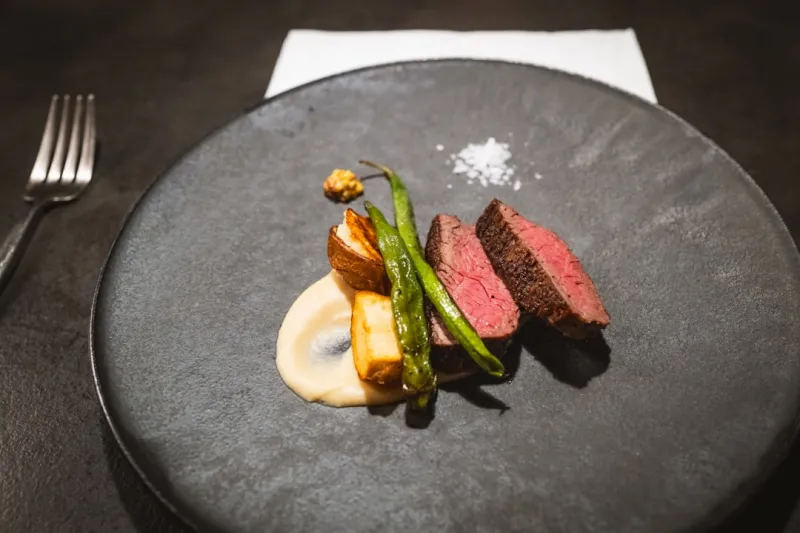
The Art of Storytelling on a Plate: How Fine Dining Becomes a Narrative Experience
Explore the rise of story‑driven fine dining, where chefs act as authors and each course unfolds like a chapter, creating a memorable, immersive culinary narr...Read More

The Pursuit of Gastronomic Excellence: A Journey Through the World's Best Restaurants
Join me on a culinary journey through the world's best restaurants, where exceptional fine dining experiences await. From elegant eateries to avant-garde establ...Read More
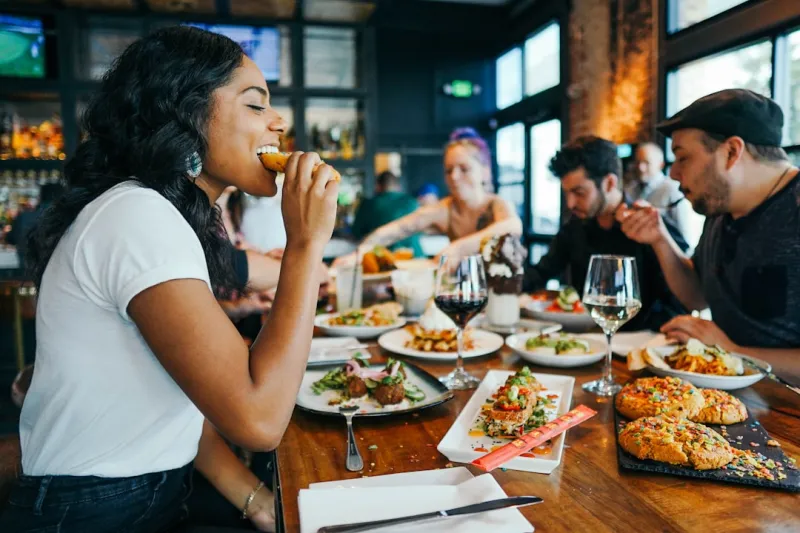
The Evolution of Fine Dining: A Personal Perspective
Join me on a journey through the world of fine dining, where authenticity, community, and sustainability are redefining the culinary experience....Read More
0 Comments
Post Comment
You will need to Login or Register to comment on this post!