

Why Inclusive Dining Matters in the Modern Restaurant Landscape
Today’s diners expect more than just flavor; they crave a sense of belonging at the table, and that starts with menus that respect diverse dietary needs. Restaurants that prioritize inclusivity not only attract a broader clientele but also foster loyalty by showing genuine care for health, culture, and personal preference. In a world where food allergies and lifestyle choices are increasingly visible, the best establishments are those that turn accommodation into an art form.
Beyond Gluten‑Free: Whole‑Scale Dietary Inclusivity
While gluten‑free options have become commonplace, truly inclusive restaurants go further, offering dairy‑free, nut‑free, low‑FODMAP, and plant‑based dishes without compromising creativity. Chefs now design entire tasting menus that can be seamlessly adapted, proving that restriction does not equal limitation. This holistic approach signals to guests that their well‑being is a centerpiece of the culinary experience.
Allergen Transparency and Tech‑Enabled Menus
Digital menu platforms now allow diners to filter dishes by allergens, calorie count, and ingredient origin with a few taps, eliminating guesswork and anxiety. QR‑code scans can instantly display a dish’s full ingredient list, cross‑referencing it against a guest’s personal allergen profile stored securely in the restaurant’s system. Such transparency not only builds trust but also reduces the risk of costly kitchen mishaps.
Cultural Sensitivity on the Plate
Inclusivity extends to cultural representation, where menus honor authentic flavors while respecting religious practices such as halal, kosher, or vegan observances. By collaborating with community leaders and culinary historians, restaurants can craft dishes that celebrate heritage without resorting to tokenism. This respectful curation turns a simple meal into a bridge between traditions and contemporary dining.
Staff Training and Guest Experience
Front‑of‑house teams receive specialized training to recognize and respond to dietary restrictions confidently, turning potential obstacles into moments of personalized service. Servers who can articulate ingredient nuances and suggest safe alternatives elevate the guest’s confidence and comfort. When staff embody the restaurant’s inclusive ethos, the entire dining journey feels intentional and welcoming.
Case Studies: Restaurants Leading the Way
Several forward‑thinking establishments have set the benchmark for inclusive dining, and their stories illustrate practical strategies that others can emulate. For instance, a downtown bistro partnered with a local allergy‑aware app, integrating real‑time alerts for staff when a guest flags a concern. Another acclaimed venue redesigned its kitchen flow to keep allergen‑free prep zones completely separate, ensuring purity from start to finish.
How Diners Can Support Inclusive Practices
Patrons play a crucial role by communicating their needs clearly and praising restaurants that handle them with care. Leaving thoughtful reviews that highlight inclusive experiences helps amplify best practices across the industry. Moreover, supporting eateries that invest in transparent labeling and staff education sends a clear market signal that inclusivity is a valued commodity.
Future Trends: Personalized Nutrition and AI‑Driven Menus
Looking ahead, artificial intelligence promises to tailor menus to individual nutritional profiles, merging health data with culinary creativity. Imagine a dinner where the AI suggests dishes aligned with a guest’s DNA‑based dietary recommendations, all while maintaining the restaurant’s signature style. This convergence of technology and empathy will likely define the next generation of best restaurants.
Integrating Design and Inclusivity
Physical space plays an understated yet vital role in making diners feel accommodated; thoughtful lighting, clear signage, and accessible seating all contribute to a holistic inclusive experience. For inspiration on how ambiance can complement dietary inclusivity, explore Why Restaurant Lighting and Design Matter More Than You Think, which delves into the subtle ways environment shapes perception. Pairing such design insights with menu transparency creates a seamless, welcoming atmosphere that resonates with every guest.
Discover Hidden Inclusive Gems
Beyond the mainstream, many lesser‑known spots excel at catering to diverse needs without the fanfare, offering authentic, inclusive experiences that surprise and delight. A curated list of such venues can be found in Hidden Gems: The Ultimate Guide to Restaurants That Wow Your Palate, highlighting eateries that marry culinary excellence with thoughtful accommodation. These hidden treasures prove that inclusive dining is not a trend confined to high‑profile establishments but a widespread, growing movement.

Becky Putman is an Ottawa-based freelance writer and marketing professional with a passion for storytelling, animals, and community involvement. She enjoys creating engaging content that informs, inspires, and connects with readers.
Related Posts
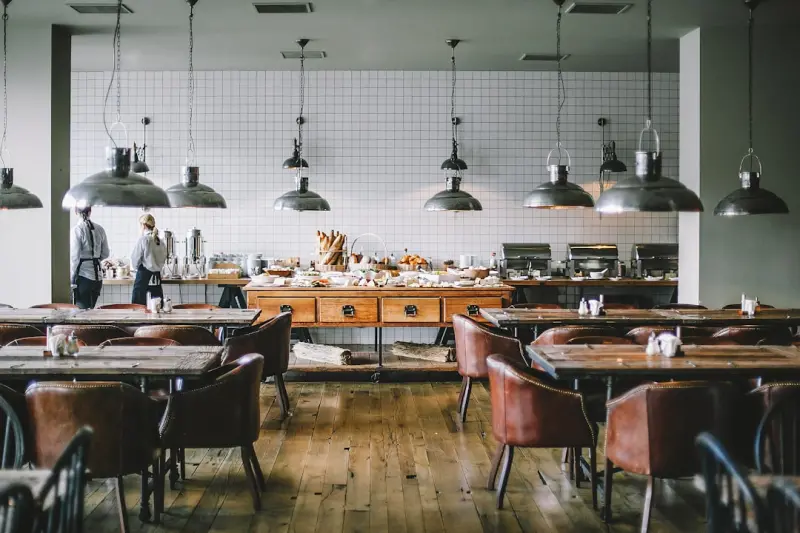
The Allure of Pop‑Up Restaurants: Why Temporary Kitchens Are Worth the Hunt
Explore the excitement of pop‑up restaurants—temporary venues that deliver experimental menus, u... Read More
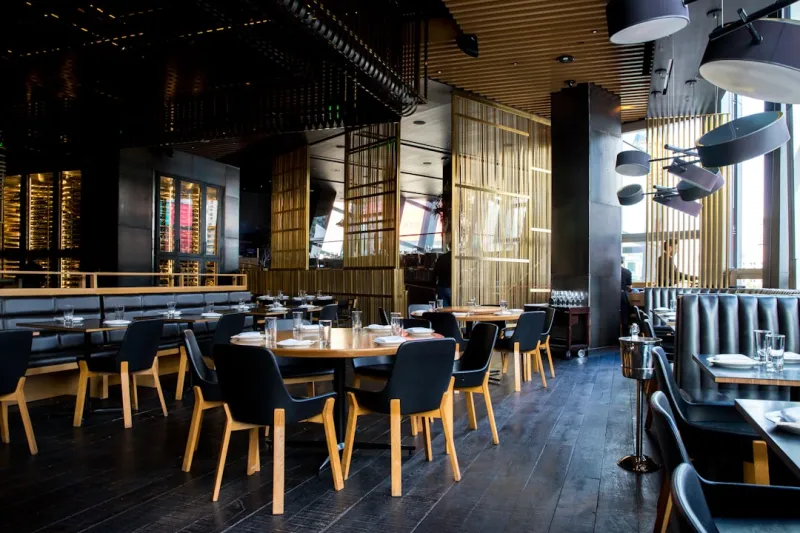
The Best Restaurants That Turn Dining Into a Storytelling Experience
Explore the hottest restaurants that turn meals into memorable stories, blending cuisine, ambiance, ... Read More

Becky Putman's Flavor‑First Tour of the Best Restaurants in 2024
Becky Putman shares her personal journey through 2024’s culinary landscape, highlighting the most ... Read More
Top Posts
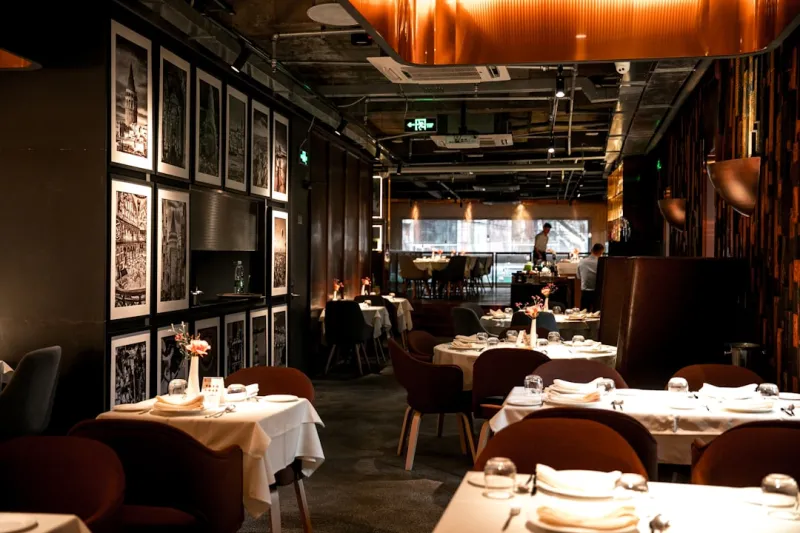
The Ultimate Guide to the Best Restaurants That Turn Meals Into Stories
Explore the best restaurants that transform meals into stories, offering immersive, sensory dining experiences that linger long after the last bite....Read More

Becky Putman’s Flavor‑First Tour of the Best Restaurants in 2024
Join Becky Putman as she uncovers 2024’s must‑visit eateries, blending bold flavors, cutting‑edge tech, and sustainable practices into an unforgettable cu...Read More

When Service Becomes Conversation: Redefining Fine‑Dining Hospitality
Fine‑dining is moving beyond formal service toward genuine conversation, letting chefs and staff speak directly with diners to craft a more intimate, memorabl...Read More
Sustainable Bites: The Best Eco‑Conscious Restaurants You Need to Try
A guide to the most innovative sustainable restaurants, highlighting zero‑waste kitchens, renewable power, and community‑focused initiatives that let you en...Read More
0 Comments
Post Comment
You will need to Login or Register to comment on this post!