
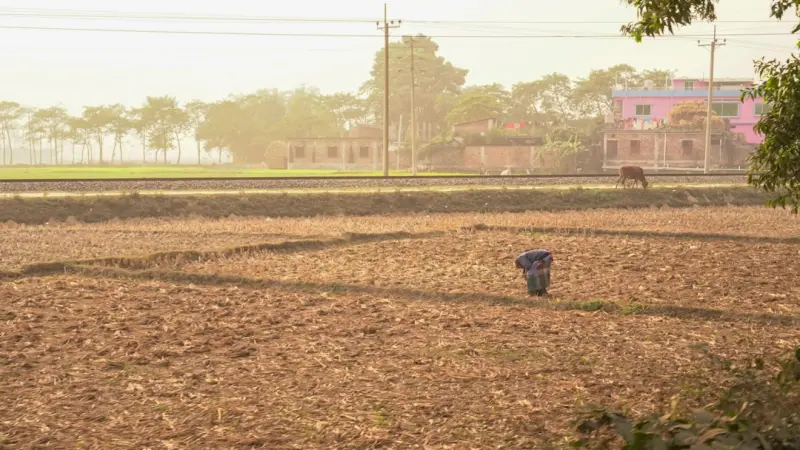
From Soil to Plate: How Local Farms Shape the Best Restaurants
When I step into a restaurant that consistently earns a place on my “must‑visit” list, the first thing I notice isn’t the lighting or the décor—it’s the story whispered by every bite. Farm‑to‑table isn’t a trend; it’s a philosophy that transforms a menu from a static list into a living narrative of the land that nourishes it. In this piece, I’ll walk you through the intricate dance between chefs and growers, and why that partnership is the secret sauce behind the most memorable dining experiences.
At the heart of every great farm‑to‑table restaurant is a relationship built on trust, patience, and mutual curiosity. Chefs often spend months on farms, learning the rhythm of planting, pruning, and harvesting, while farmers sit at the pass to understand how heat, texture, and flavor translate onto a plate. This back‑and‑forth dialogue means that a chef can request a specific heirloom tomato variety weeks before it’s ready, and the farmer can adjust irrigation to bring out its natural sweetness. The result is a menu that evolves with the season, offering diners a fresh, authentic taste of the region that no imported commodity can replicate.
Seasonality becomes a compass for creativity, guiding chefs to design dishes that honor the earth’s calendar. Rather than forcing a menu to fit a rigid concept, they let the harvest dictate the story. Spring brings tender asparagus and wild ramps, summer gifts us with heirloom corn and stone‑fruit, autumn offers earthy mushrooms and heritage squash, while winter highlights root vegetables and preserved goods. This rhythmic approach not only delights the palate but also educates guests on the natural cycles that shape our food system.
Consider the humble beet—a root that can be smoked, pickled, roasted, or turned into a silky purée. In a top‑tier restaurant I visited, the chef sourced a rare golden beet from a nearby family farm, pairing it with goat cheese and a drizzle of walnut oil harvested from the same orchard. The result was a dish that sang of place, provenance, and partnership. Similar stories unfold with heritage grains, artisanal cheeses, and locally caught seafood, each ingredient bearing the signature of the land and the hands that tended it.
Beyond flavor, the farm‑to‑table model fuels a sustainable loop that benefits both the environment and the community. By sourcing within a 50‑mile radius, restaurants reduce transportation emissions, support biodiversity through diverse crop rotations, and preserve farmland that might otherwise succumb to development. These practices turn a dining experience into an act of stewardship, inviting patrons to partake in a greener future without sacrificing culinary excellence.
The economic ripple extends far beyond the dining room. When a restaurant commits to local sourcing, it creates a reliable market for small‑scale growers, encouraging them to invest in innovative techniques and heirloom varieties. This, in turn, generates jobs—from farmhands to distribution drivers—and strengthens regional food hubs that become cultural landmarks. The symbiotic relationship turns a single plate into a catalyst for economic vitality, reinforcing the notion that great food is a communal achievement.
Menus at farm‑focused establishments often read like a seasonal diary, shifting weekly to reflect the freshest arrivals. Tasting menus become fluid performances, with chefs unveiling surprise courses as new produce lands on the dock. Diners are treated to a narrative arc: a bright starter showcasing early‑season greens, a heartier middle course anchored by summer’s peak harvest, and a comforting finale that honors winter’s preserved treasures. This ever‑changing choreography keeps repeat guests eager for the next chapter.
For those eager to explore this philosophy without breaking the bank, consider the guide to Hidden Gems that spotlight restaurants championing local produce. Many of these eateries also draw inspiration from Seasonal Storytelling, weaving the narrative of harvests into every course. By seeking out these venues, you not only treat your taste buds but also support the farmers whose dedication fuels the culinary magic.
In the end, the best restaurants are less about flashy techniques and more about the authenticity that springs from soil, sun, and sweat. When you sit down to a dish that began its journey on a nearby farm, you’re tasting a story of collaboration, sustainability, and reverence for the land. So next time you’re planning a culinary adventure, ask yourself: which table is honoring the fields that feed us? Your palate—and the community—will thank you.

When it comes to the world of blogging and writing, Rose DesRochers is a name that stands out. Her passion for creating quality content and connecting with her audience has made her a trusted voice in the industry. Aside from her skills as a writer and blogger, Rose is also known for her compassionate nature.
Related Posts

Becky Putman's Flavor‑First Tour of the Best Restaurants in 2024
Becky Putman shares her personal journey through 2024’s culinary landscape, highlighting the most ... Read More

Beyond the Menu: The Ultimate Chef’s Table Restaurants to Book Now
From soaring city rooftops to tucked‑away countryside kitchens, chef’s tables turn a meal into a... Read More
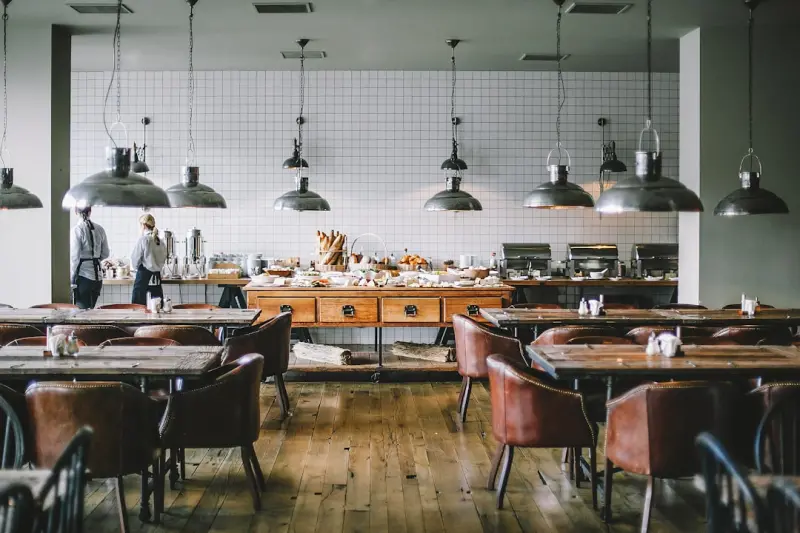
The Allure of Pop‑Up Restaurants: Why Temporary Kitchens Are Worth the Hunt
Explore the excitement of pop‑up restaurants—temporary venues that deliver experimental menus, u... Read More
Top Posts

When Fine Dining Becomes a Narrative Journey
Discover the rise of story‑driven fine dining, where each course tells a tale, and learn how to find and savor these narrative culinary adventures....Read More
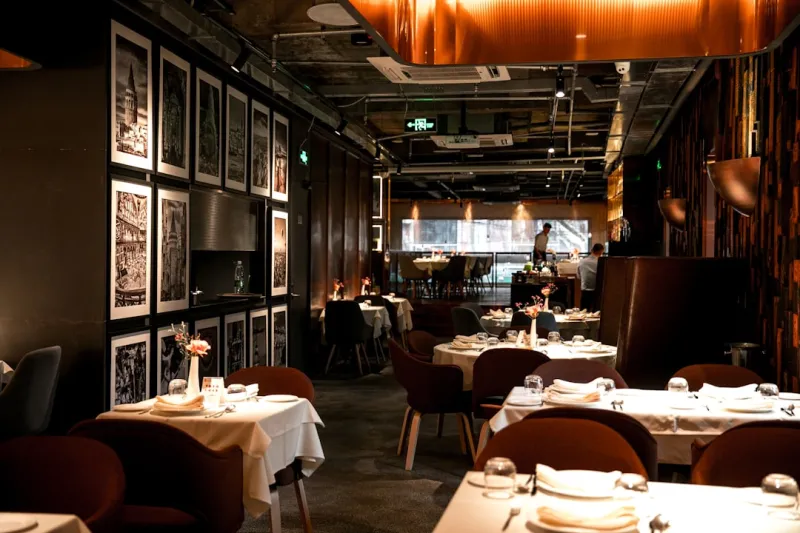
The Art of Narrative Dining: How Fine Restaurants Turn Meals into Stories
Fine dining is no longer just about taste; it's becoming a multisensory narrative where chefs, designers, and technology collaborate to turn each meal into an u...Read More
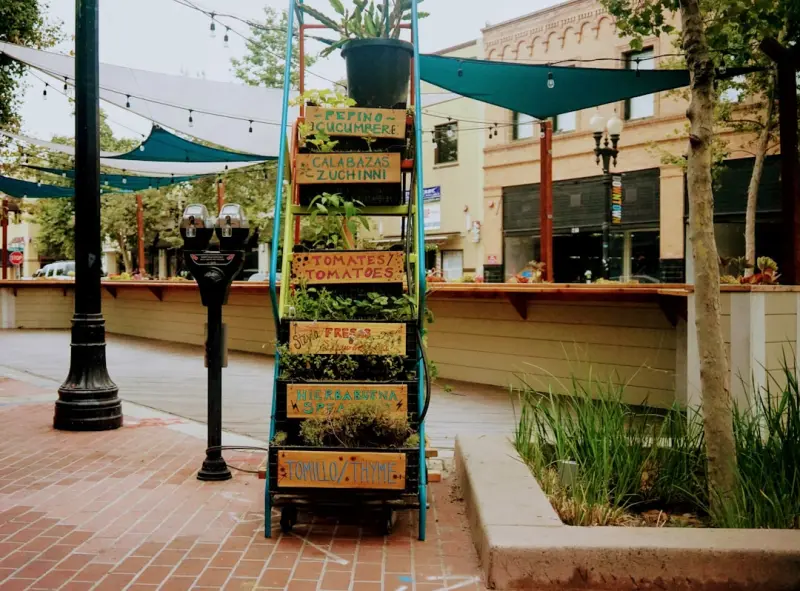
From Seed to Plate: How Urban Farm‑To‑Table Restaurants Are Redefining Freshness
Explore the rise of urban farm‑to‑table restaurants, where on‑site gardens deliver unparalleled freshness, sustainability, and storytelling that reshapes ...Read More

Community‑Centric Restaurants: Why Local Hubs Are the New Culinary Gold
Discover why the best restaurants today act as community hubs—offering shared spaces, local collaborations, and authentic storytelling that turn meals into la...Read More
0 Comments
Post Comment
You will need to Login or Register to comment on this post!