
Why Storytelling Is the New Signature Dish
Stepping into a modern fine‑dining room feels less like a simple meal and more like opening the first chapter of a carefully curated novel, where every scent, sound, and garnish is a deliberate plot point that draws you deeper into the experience; I’ve learned to read these cues like a literary critic, noting how the chef’s background, the season’s harvest, and even the city’s cultural pulse blend into a narrative that whispers to the senses before the first bite even arrives. This shift from pure flavor to immersive storytelling is the trend that has redefined my evenings out, turning ordinary reservations into moments I replay in my mind like favorite scenes from a film, and it’s why I keep returning to the tables that dare to speak louder than their menus. In fact, the article The Hidden Narrative: How Today’s Restaurants Turn Meals into Stories perfectly captures how chefs now draft menus as scripts, allowing diners to become both audience and protagonist in a culinary performance.
The Anatomy of a Narrative Plate
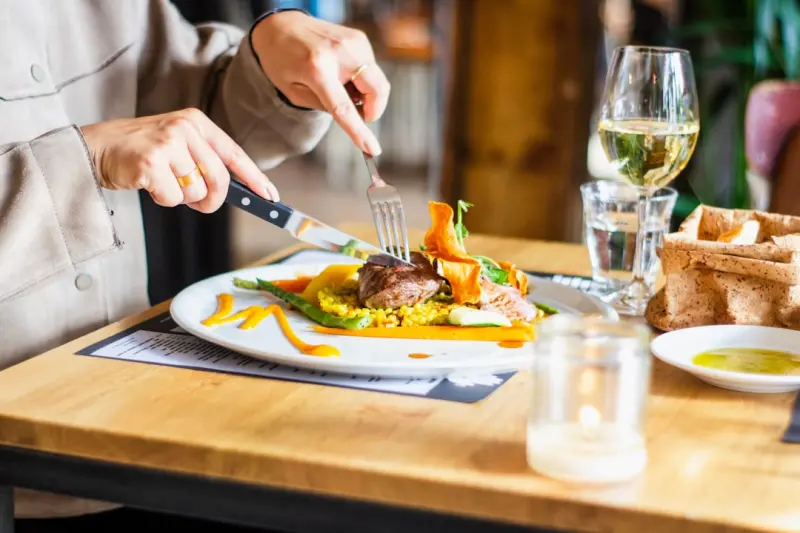
When I sit down at a table where the plate itself is a storyboard, the first thing I notice is the visual composition that reads like a painter’s canvas, with colors arranged in purposeful contrast to hint at the emotional arc that will unfold with each forkful, and I often find myself pausing to absorb the tableau before I even taste the first morsel, because the visual cue is the opening line that sets the tone for what follows. The chef’s use of texture acts as the plot’s tension and release, where a crisp tuile might crack like a surprise twist, followed by a velvety purée that resolves the story’s conflict, and I’ve come to appreciate that the balance of contrast is not merely culinary but narrative, guiding my palate through a journey that mirrors the rise and fall of a well‑written story. For those curious about how this art form reaches its crescendo, the piece When Fine Dining Becomes a Storytelling Feast illustrates how a single course can encapsulate an entire saga, leaving diners with a lingering sense of completion akin to the final page of a beloved book.
Chefs as Authors, Kitchens as Studios
In my recent visits, I’ve discovered that the most compelling kitchens operate like writer’s rooms, where sous‑chefs brainstorm flavor arcs, tasting sessions become editorial meetings, and the head chef assumes the role of a seasoned author who edits, revises, and ultimately publishes a masterpiece that is both edible and emotive; the collaborative process mirrors the way a screenplay is refined, and it explains why the final dish feels so polished and purposeful. The secret to this seamless storytelling lies in what many call the secret sauce—a blend of heritage techniques, avant‑garde science, and a deep respect for the narrative power of ingredients, which together create a flavor‑first narrative that resonates long after the plates are cleared. I recently read The Secret Sauce Behind Today’s Story‑Driven Fine Dining, and it reinforced my belief that the most memorable meals are those that marry technique with tale, turning every bite into a paragraph that readers—my taste buds—cannot help but devour.
Design and Ambiance: Setting the Stage
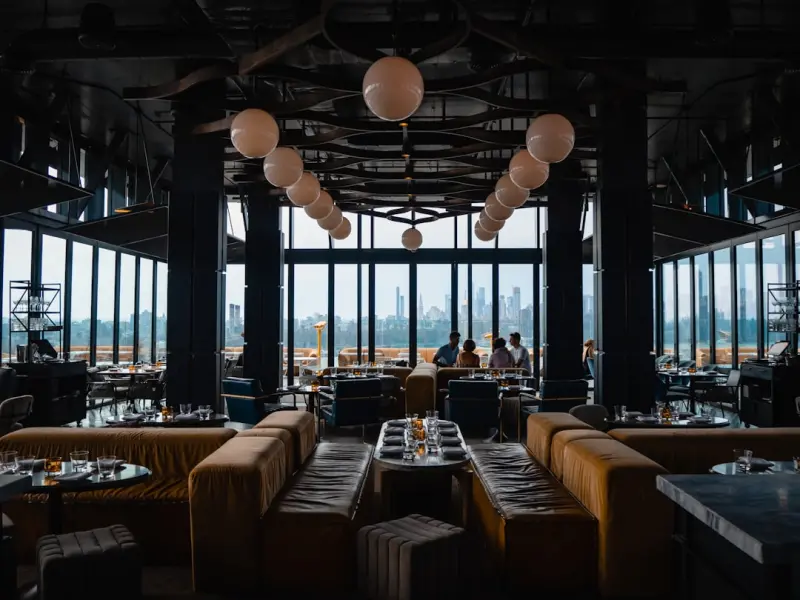
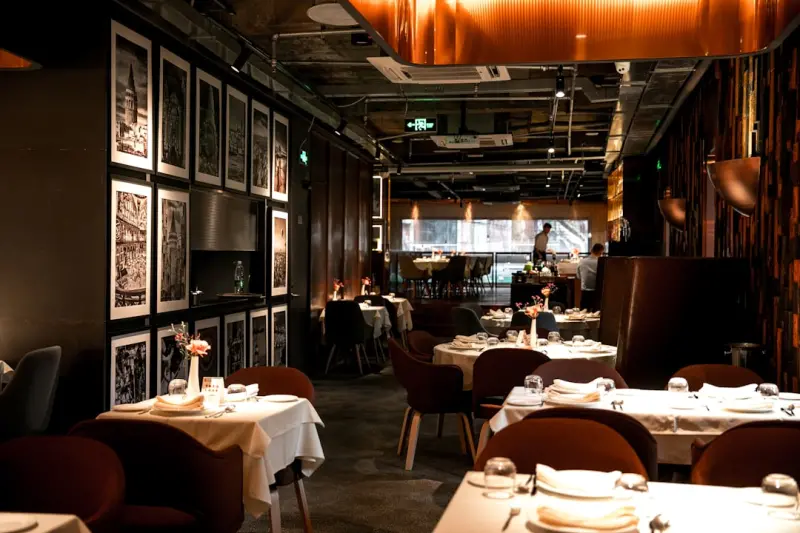
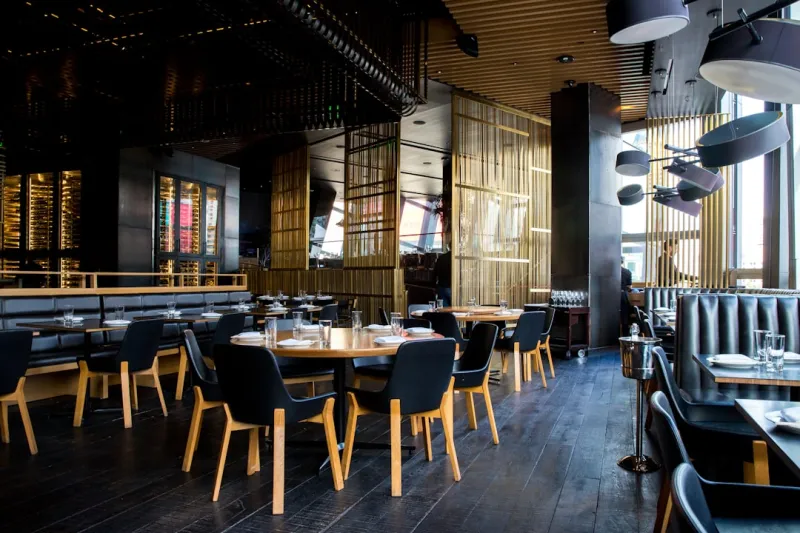
The moment I step into a dining room that feels more like a theater than a restaurant, I instantly sense that the experience is engineered to support the story the chef intends to tell; from dimmed lighting that mimics dusk to curated artwork that echoes the cultural backdrop of the menu, every element is a cue that primes the mind for immersion, much like a director sets the scene before actors deliver their lines. Subtle details such as the texture of the tablecloth, the resonance of the glassware, and even the cadence of the server’s explanations function as supporting characters, each reinforcing the central narrative while ensuring the guest remains engaged throughout the performance. In this way, the ambiance becomes a silent narrator, guiding the diner’s emotional journey without ever uttering a word, and I often find myself noting these cues in a mental checklist that enriches my appreciation of the whole composition.
From Plate to Memory: The After‑Taste of Story
When the final course arrives and the dessert is presented as an epilogue—perhaps a deconstructed tiramisu that recalls childhood memories while simultaneously challenging expectations—I experience a lingering echo that extends far beyond the palate, a sense that the story has left a permanent imprint on my consciousness, much like the closing scene of a film that stays with you long after the credits roll. This lingering resonance is why I keep a journal of my dining adventures, jotting down not only the flavors but the emotions they evoked, the conversations they sparked, and the visual motifs that stood out, because the narrative value of a meal is amplified when it is reflected upon later, turning a fleeting dinner into a lasting chapter of my culinary biography. Researchers have even begun to study this phenomenon, noting that the brain retains story‑laden meals more vividly than plain sustenance, proving that the marriage of narrative and gastronomy is not just an artistic fad but a neurological advantage.
Practical Tips for the Story‑Savvy Diner
To truly engage with the storytelling trend, I recommend approaching each reservation with a mindset of curiosity rather than mere hunger; start by reading the restaurant’s “about” page, watching any behind‑the‑scenes videos, and noting the chef’s inspirations, because these pre‑dinner insights act as a primer that enhances the subsequent experience. Once seated, pay attention to how the server describes each dish—listen for metaphors, cultural references, or personal anecdotes, as these verbal cues often unlock deeper layers of meaning that you might otherwise miss while focusing solely on taste. Finally, give yourself permission to pause, savor, and reflect between courses, allowing the narrative to breathe and evolve, and don’t hesitate to share your observations with the staff, who usually appreciate an engaged guest and may even reveal hidden chapters of the story that aren’t on the printed menu.
Looking Ahead: The Future of Narrative Dining
As technology continues to infiltrate the restaurant world, I envision a future where augmented reality menus project visual storyboards onto the table, where QR codes unlock audio interviews with farmers, and where AI‑generated tasting notes personalize the narrative to each diner’s palate, creating a hyper‑personalized storytelling experience that feels both intimate and expansive; this evolution will likely deepen the emotional connection between chef and guest, turning each meal into a collaborative tale that evolves with every visit. Yet, even as digital tools enhance the storytelling canvas, the core of the experience will remain rooted in human connection—the shared laughter over a surprise ingredient, the collective gasp at an unexpected flavor twist, and the quiet contemplation that follows a perfectly balanced bite. In this blend of tradition and innovation, fine dining will continue to rewrite its own story, inviting us all to become co‑authors of the next unforgettable feast.

Becky Putman is an Ottawa-based freelance writer and marketing professional with a passion for storytelling, animals, and community involvement. She enjoys creating engaging content that informs, inspires, and connects with readers.
Related Posts
The Rise of Multi‑Sensory Dining: How Fine Restaurants Are Engaging All Your Senses
Fine dining is moving beyond flavor, embracing sound, scent, lighting, and texture to craft immersiv... Read More

Why 2026 Is the Year Fine Dining Becomes a Storytelling Sensory Feast
Discover how 2026’s fine‑dining scene blends flavor‑first storytelling, sustainability, and cu... Read More
When Pixels Meet Palates: Augmented Reality Elevates Fine Dining
Explore the rise of AR in fine dining, where holographic plates, interactive wine pairings, and sust... Read More
Top Posts
The Best Restaurants That Turn Meals Into Unforgettable Stories
Explore the finest restaurants that transform meals into captivating stories, offering a sensory narrative that lingers long after the last bite....Read More
The Ultimate Guide to Finding Restaurants That Turn Dining into Storytelling
Explore how the best restaurants craft immersive narratives, turning each dish into a memorable story that engages the senses and the soul....Read More
The Best Restaurants of 2026: A Flavor‑First Journey Through Story and Innovation
Explore 2026’s top eateries that blend narrative storytelling, cutting‑edge tech, and flavor‑first cuisine for a truly immersive dining adventure....Read More

From Soil to Plate: How Local Farms Shape the Best Restaurants
Explore the farm‑to‑table revolution that powers top restaurants, where local growers and chefs craft seasonal menus that celebrate flavor, sustainability, ...Read More
0 Comments
Post Comment
You will need to Login or Register to comment on this post!