
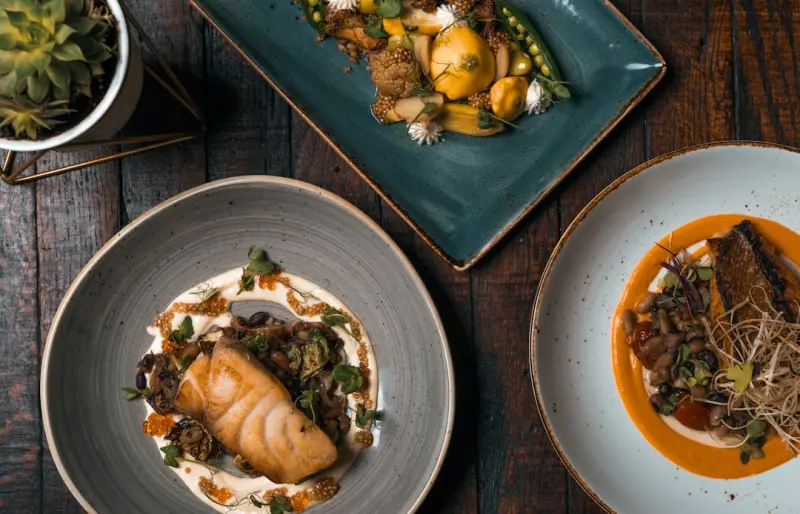
The Diplomatic Plate: Why Fine Dining Matters Beyond Flavor
In the quiet intimacy of a candle‑lit table, a chef can become an unofficial envoy, using flavors, textures, and aromas to convey stories that no treaty can capture; this is the essence of culinary diplomacy, a practice that transforms a meal into a subtle yet powerful dialogue between nations. When a dish is plated with intent, it carries the weight of history, geography, and identity, allowing diners to taste the complexities of a culture without ever leaving their city, and in doing so, it creates a shared experience that transcends language barriers. As I walk through the hushed hall of a Michelin‑starred restaurant, I often feel the presence of invisible ambassadors, each course a carefully crafted missive sent across the table, inviting curiosity and fostering understanding.
From Royal Banquets to Modern Embassies: A Brief History
For centuries, monarchs and diplomats have recognized the power of a well‑executed feast, from the lavish banquets of Versailles that showcased French culinary supremacy to the opulent state dinners of the Ottoman court that blended Eastern spices with European techniques, each meal acted as a strategic display of wealth, sophistication, and political intent. The evolution continued through the 20th century, when leaders like Winston Churchill and Eleanor Roosevelt used dinner parties to ease tensions, and later, when the United Nations began hosting cultural evenings that paired traditional dishes with diplomatic discourse, reinforcing the notion that food can be a bridge when words falter. Today, that legacy lives on in dedicated chef‑ambassador programs, where culinary experts are dispatched to foreign capitals to foster goodwill, proving that the art of gastronomy remains an enduring tool of soft power.
Modern Chef‑Ambassadors: Food as a Foreign Policy Tool
In contemporary diplomacy, nations appoint chef‑ambassadors who travel the globe to represent their culinary heritage, collaborating with local producers, teaching techniques, and hosting pop‑up tastings that double as cultural exchanges, thereby turning kitchens into diplomatic outposts where mutual respect is seasoned into every bite. These culinary envoys often work closely with ministries of culture and trade, crafting menus that highlight indigenous ingredients while subtly incorporating foreign flavors, a practice that encourages cross‑pollination of ideas and opens new markets for both sides, ultimately strengthening economic ties through shared palate experiences. The impact is measurable: increased tourism to featured regions, heightened demand for specialty foods, and a noticeable rise in positive public perception of the nations involved, all stemming from the simple act of sharing a well‑curated meal.
Designing Menus That Tell a Story
At the heart of culinary diplomacy lies the menu, a narrative canvas where each dish is a chapter that reflects the heritage, climate, and aspirations of a nation, and the most effective menus weave these elements together with a rhythm that guides diners through an immersive cultural journey. By integrating storytelling techniques—much like those explored in The Power of Storytelling in Restaurants—chefs can frame each course with contextual anecdotes, pairing historical facts with modern reinterpretations, thereby deepening the emotional resonance of the experience. When diners understand that a beet‑infused consommé symbolizes ancient agricultural rituals while a foam of citrus represents contemporary innovation, the meal transcends sustenance, becoming a dialogue that celebrates both continuity and change.
Collaborating with Local Artisans and Producers
Fine‑dining establishments that pursue diplomatic goals often forge partnerships with local artisans, farmers, and craftsmen, sourcing rare ingredients that embody regional identity while supporting sustainable economies, a practice that mirrors the principles highlighted in Redefining Service where attention to provenance becomes a form of respectful service. These collaborations not only elevate the culinary narrative but also provide a platform for small‑scale producers to reach an international audience, turning obscure heirloom varieties or traditional preservation methods into coveted treasures on the world stage. As a result, the restaurant becomes a showcase for cultural heritage, turning each plate into a living museum where visitors can appreciate the skill, stories, and stewardship behind every ingredient.
Impact on Tourism and Soft Power
When a country's cuisine is celebrated on the global fine‑dining map, it sparks curiosity that often translates into increased travel, as food‑enthusiasts embark on culinary pilgrimages to taste authentic dishes at their source, thereby amplifying the nation's soft power and fostering a positive image abroad. Governments have begun to recognize this effect, investing in culinary festivals, culinary exchange programs, and gastronomic scholarships that position food as a strategic asset in cultural diplomacy, creating a virtuous cycle where heightened visibility drives demand for both travel and exportable food products. Consequently, fine‑dining venues that prioritize diplomatic storytelling become catalysts for economic growth, cultural pride, and international goodwill, proving that a well‑crafted tasting menu can have ripple effects far beyond the restaurant walls.
Challenges and Criticisms: When Diplomacy Meets the Plate
Despite its many benefits, culinary diplomacy is not without controversy, as critics argue that the practice can romanticize cultural appropriation, reduce complex traditions to commodified experiences, or inadvertently reinforce power imbalances when affluent diners consume exotic dishes without understanding their context. Moreover, the high cost associated with sourcing rare ingredients and maintaining elite service standards can limit accessibility, raising questions about who truly benefits from these diplomatic meals and whether they perpetuate elitist perceptions of culture. Chefs and policymakers must therefore navigate these pitfalls with transparency, education, and a commitment to equitable representation, ensuring that the exchange remains respectful and mutually enriching.
Future Trends: Technology, Sustainability, and Inclusivity
Looking ahead, the intersection of fine dining and diplomacy is poised to embrace emerging technologies such as augmented reality menus that overlay cultural narratives onto each plate, while simultaneously adopting zero‑waste practices that align with global sustainability goals, creating a holistic approach that honors both heritage and the planet. Inclusive initiatives are also gaining traction, with chefs collaborating with indigenous communities to co‑create dishes that honor ancestral knowledge, thereby shifting the narrative from extraction to partnership and reinforcing the role of food as a bridge rather than a barrier. As these trends converge, the next generation of diplomatic dining experiences will likely be defined by immersive storytelling, environmental stewardship, and a genuine celebration of shared humanity.
Crafting Your Own Diplomatic Dinner at Home
Even without a reservation at a five‑star establishment, you can become an ambassador of taste by designing a dinner that honors another culture, thoughtfully selecting ingredients, researching traditional cooking methods, and sharing the stories behind each course with your guests, turning a simple gathering into a micro‑diplomatic event. Start by choosing a theme—perhaps the flavors of the Mediterranean coast or the spices of Southeast Asia—then source authentic products from local specialty stores or reputable online markets, and finally, present each dish with a brief narrative that highlights its historical significance and regional importance. By inviting friends to explore new culinary horizons, you not only broaden palates but also foster empathy and curiosity, proving that diplomacy can begin at the very heart of your own kitchen.
Conclusion: The Power of the Plate to Unite
Fine dining, when approached with intentionality and cultural respect, transcends the realm of luxury to become a potent instrument of diplomacy, capable of forging connections, shaping perceptions, and inspiring collaborative futures across borders. As chefs continue to blend artistry with advocacy, and as diners become more attuned to the stories behind their meals, the humble plate evolves into a shared canvas where nations converse, celebrate, and heal together. Embrace the role of a culinary envoy in your own life, and discover how each bite can be a step toward a more understanding, flavorful world.

When it comes to the world of blogging and writing, Rose DesRochers is a name that stands out. Her passion for creating quality content and connecting with her audience has made her a trusted voice in the industry. Aside from her skills as a writer and blogger, Rose is also known for her compassionate nature.
Related Posts

Augmented Reality at the Table: Redefining Fine Dining Experiences
Discover how AR tabletop technology turns fine dining into a multisensory performance, blending visu... Read More
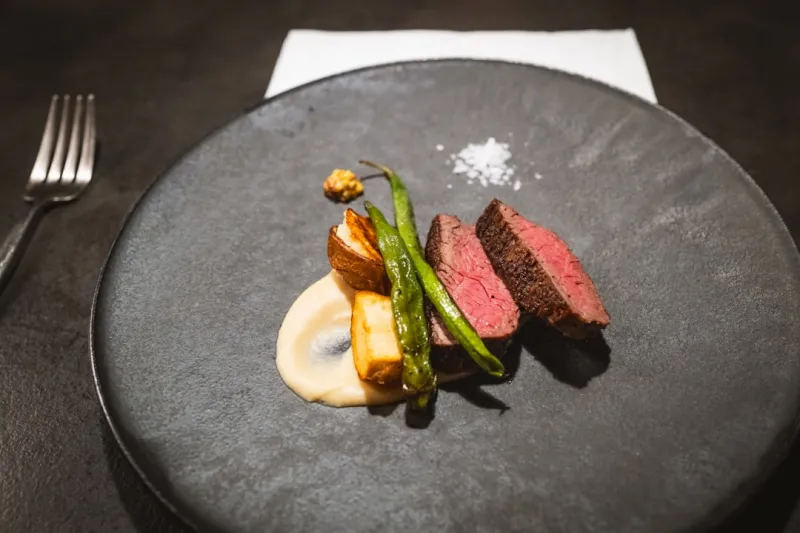
The Art of Storytelling on a Plate: How Fine Dining Becomes a Narrative Experience
Explore the rise of story‑driven fine dining, where chefs act as authors and each course unfolds l... Read More
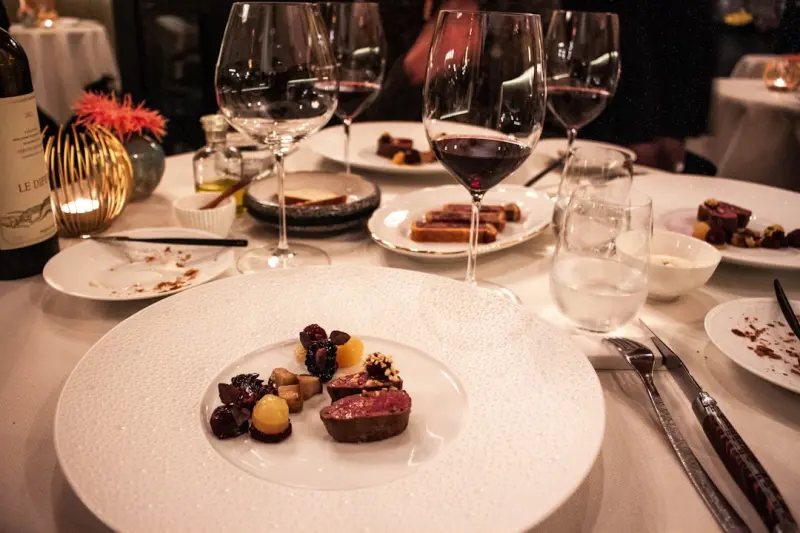
Hyper‑Local Harvests: How Fine Dining Is Embracing Sustainable Sourcing
Discover the rise of hyper‑local sourcing in fine dining, where chef‑farmer partnerships, season... Read More
Top Posts
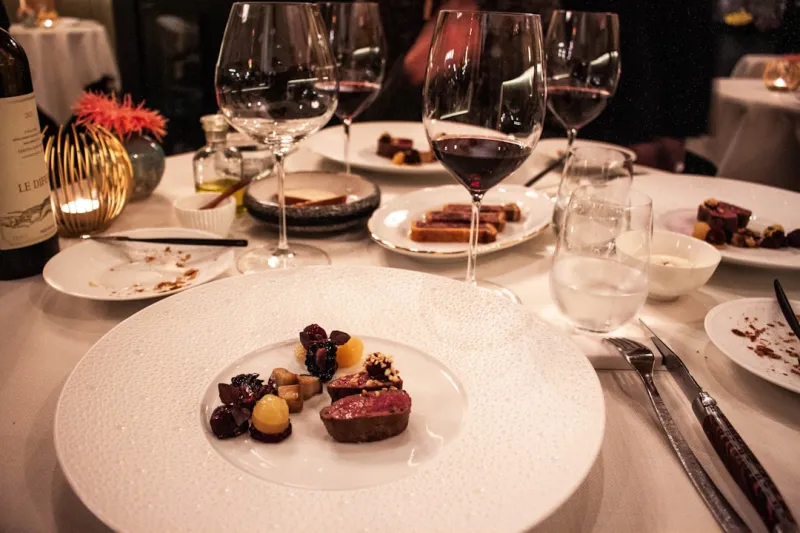
The Art of Exceptional Fine Dining: A Journey of Passion and Excellence
Fine dining is a lifelong passion that elevates the senses and creates unforgettable experiences. Join me on a journey through the world of exceptional cuisine ...Read More
When Restaurants Prioritize Employee Wellness, Everyone Wins
A deep dive into how investing in employee health and happiness transforms restaurant culture, enhances service quality, and ultimately fuels business growth....Read More

When Architecture Becomes the Main Course: Spatial Storytelling in Fine Dining
Discover how thoughtful spatial design—lighting, texture, acoustics, and subtle tech—turns fine‑dining into an immersive journey that heightens every flav...Read More
Inclusive Dining: How Top Restaurants Are Catering to Every Palate
Discover the rise of inclusive dining, where top restaurants blend allergen‑free menus, cultural respect, and tech tools to create welcoming experiences for e...Read More
0 Comments
Post Comment
You will need to Login or Register to comment on this post!