
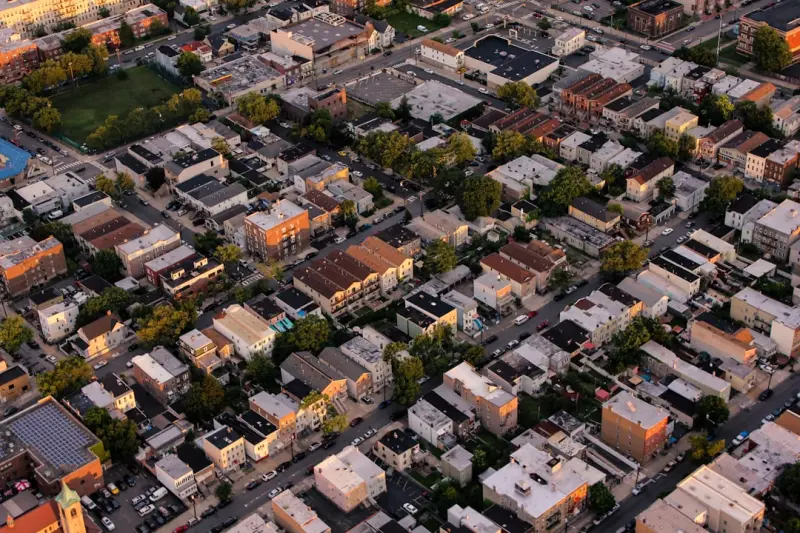
Why Community‑Driven Pop‑Ups Are Redefining the “Best” Restaurant List
When I wander through a bustling alley and discover a makeshift dining room tucked behind a laundromat, the experience feels like stumbling upon a secret that the city has whispered just to me. Those pop‑up concepts, often organized by neighborhood collectives rather than celebrity chefs, challenge the traditional notion that only brick‑and‑mortar establishments can claim culinary excellence. In my view, the authenticity of a dish is no longer measured by Michelin stars alone, but by how deeply it resonates with the people who live, work, and dream in that very block.
The Community Catalyst: How Residents Become Curators
Unlike top‑down restaurant launches that rely on market research firms, community‑driven pop‑ups grow from the grassroots enthusiasm of local residents who vote with their taste buds and social media likes. Neighbors gather around a shared Pinterest board, suggest dishes that reflect cultural heritage, and even volunteer to host the event in their own living rooms or vacant storefronts. This collective ownership creates a sense of pride that translates into word‑of‑mouth buzz, turning what might have been a fleeting culinary experiment into a beloved staple of the area.
Pop‑Up Mechanics: From Concept to Plate in Record Time
The logistics of a community pop‑up are astonishingly streamlined; organizers often partner with local farms, food trucks, and freelance chefs who can adapt menus on the fly. By bypassing the lengthy permit processes that traditional restaurants endure, these events can launch within weeks, allowing them to respond instantly to seasonal produce or emerging food trends. The result is a menu that feels both urgent and ever‑evolving, inviting diners to return frequently to discover what’s new on the ever‑changing board.
Flavorful Flexibility: Menus That Mirror the Moment
Because pop‑ups are not shackled by fixed contracts or extensive staffing rosters, they can experiment with daring flavor pairings that would be too risky for a permanent venue. One night might feature a kimchi‑infused tacos, while the next showcases a vegan beet‑bourbon reduction that sparks conversation among patrons. This fluidity not only satisfies adventurous eaters but also cultivates a culture where chefs feel empowered to push boundaries without the fear of alienating a static clientele.
Sustainable Synergy: Turning Waste Into Opportunity
Many community pop‑ups embrace zero‑waste dining practices by sourcing surplus ingredients from nearby markets and repurposing leftovers into inventive amuse‑bouches. The temporary nature of the venue means that excess food can be donated to local shelters the same night, reducing landfill contributions and strengthening neighborhood ties. This marriage of sustainability and spontaneity demonstrates that eco‑consciousness can be seamlessly woven into the fabric of a dining experience without compromising taste.
Digital Amplification: Social Media as the New Front‑Row Seat
In the age of Instagram reels and TikTok challenges, community pop‑ups harness digital platforms to broadcast their story in real time, inviting a wider audience to partake in the culinary adventure. Hashtags curated by local influencers act as virtual breadcrumbs, guiding food lovers from one hidden kitchen to the next, while live‑streamed cooking demos turn viewers into participants. This online ripple effect not only drives foot traffic but also creates a living archive of each event, preserving the moment for future diners to revisit.
The Guest Experience: From Spectator to Co‑Creator
Patrons at a community pop‑up often find themselves seated at communal tables where conversations flow as freely as the wine, fostering an environment where strangers become collaborators. Diners are sometimes invited to vote on the next day’s special or to suggest a garnish that reflects their personal heritage, blurring the line between chef and customer. This participatory model elevates the act of eating from a passive indulgence to an active, memorable ritual that lingers long after the last bite.
Measuring Success: Beyond Reviews and Rankings
Traditional metrics such as Yelp ratings or revenue figures tell only part of the story; community pop‑ups gauge success through the depth of local engagement and the longevity of the relationships they forge. When a neighborhood collective decides to host a quarterly tasting series for an entire year, it signals that the pop‑up has transcended novelty and become a cornerstone of community identity. In this way, the “best” restaurants are not just those with the highest scores, but those that generate lasting cultural impact.
Looking Ahead: The Future of Community‑Led Gastronomy
As cities continue to evolve, the line between public space and private dining will blur, allowing more neighborhoods to claim their own culinary narratives. I envision a future where municipal planners allocate vacant lots specifically for rotating pop‑up kitchens, encouraging diverse voices to shape the city’s palate. By championing these grassroots ventures, we celebrate not only delicious food but also the vibrant tapestry of stories, traditions, and collaborations that define what truly makes a restaurant the best in its community.

Becky Putman is an Ottawa-based freelance writer and marketing professional with a passion for storytelling, animals, and community involvement. She enjoys creating engaging content that informs, inspires, and connects with readers.
Related Posts
Beyond the Plate: How Social Impact Is Redefining the Best Restaurants
Discover why today’s top restaurants blend culinary excellence with social impact, turning every m... Read More
Cityscape Dining: The Best Restaurants with Unforgettable Views
Explore restaurants where breathtaking city views become part of the meal, turning every bite into a... Read More
Seasonal Maps: How Restaurants Turn Local Harvests into Unforgettable Menus
Explore how restaurants use regional harvest cycles to design ever‑changing menus, offering diners... Read More
Top Posts

Beyond the Plate: Subtle Innovations Redefining Fine Dining
Discover the hidden innovations—from smart plates to immersive service rituals—that are quietly redefining fine dining and elevating every bite....Read More
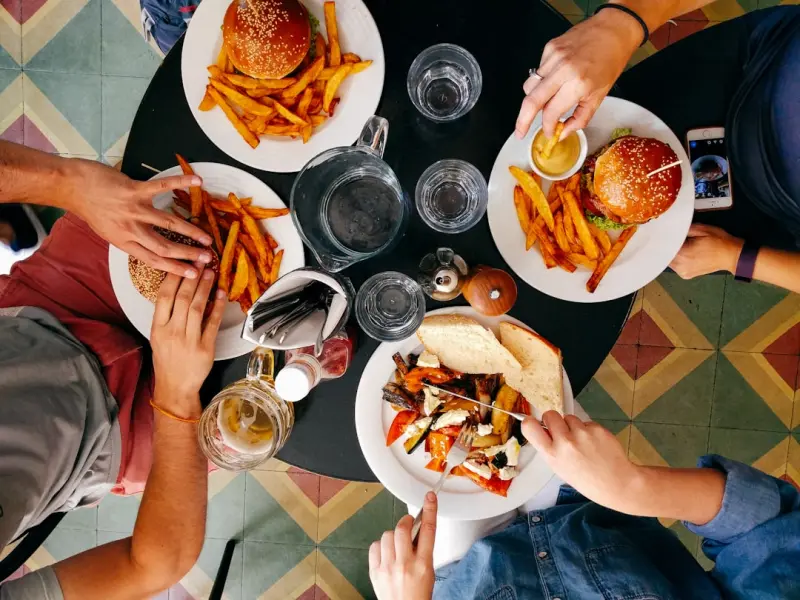
The Silent Influence: How Plate Design Shapes Your Dining Experience
Explore the psychology behind plate design, from material science to cultural cues, and learn how the right tableware can transform every bite....Read More
AI‑Powered Personalization: How Restaurants Tailor Menus to Every Palate
Explore the rise of AI-driven menu personalization, its benefits for diners and kitchens, and the future of tech‑enhanced hospitality....Read More
Fine Dining in 2024: Rose DesRochers’ Vision for Flavor, Story, and Innovation
Rose DesRochers shares her 2024 fine‑dining vision, highlighting narrative plates, immersive design, and collaborative storytelling that redefine the culinary...Read More
0 Comments
Post Comment
You will need to Login or Register to comment on this post!