
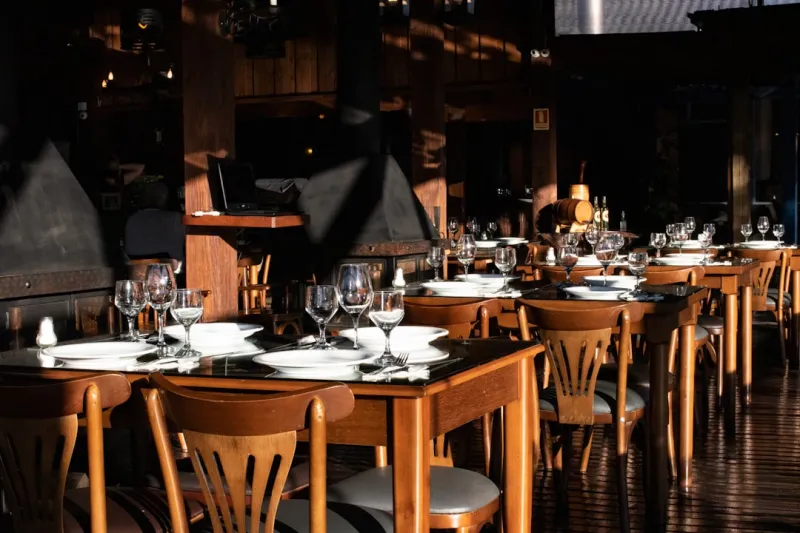
Why Restaurants Have Become My Personal Storybook
Every time I step into a bustling kitchen or a tucked‑away bistro, I feel like I’m opening a new chapter of a novel that I’m both author and eager reader, and that sensation is what fuels my endless curiosity about the dining world; the clatter of pans, the whispered exchange between chef and server, and the aromatic promises that drift from the pass all conspire to write a narrative that I can taste. I’ve learned that the most memorable meals aren’t just about calories or price points but about the emotional resonance that lingers long after the last crumb is swept away, and that resonance often comes from a thoughtfully crafted story woven into each dish. The city’s restaurant scene is a living anthology, each establishment adding its own voice, and I chase that diversity like a collector hunting rare first‑edition books. In my latest exploration, I discovered that the line between gastronomy and storytelling has blurred, turning diners like me into participants in a living, breathing plot.
The Rise of Narrative Dining
When I first read The Best Restaurants That Turn Dining Into a Storytelling Experience, I was struck by how chefs are now scripting menus the way novelists outline chapters, using each course to build tension, climax, and resolution, and I could immediately see myself mapping my own meals onto that structure. Restaurants are no longer just venues for sustenance; they are stages where flavors perform soliloquies, textures deliver dialogues, and plating becomes the visual prose that invites diners to interpret each bite. This shift reflects a broader cultural appetite for experiences that engage all five senses, and it aligns with my own desire to be more than a passive consumer— I want to be an active interpreter of culinary art. The trend has also sparked a renaissance among storytellers in the kitchen, who now view their creations as narrative devices rather than mere plates of food.
My Flavor‑First Voyage Through a Hidden Gem
Last weekend I slipped into a speakeasy‑style eatery tucked behind a vintage laundromat, and the moment the door swung shut, the dim lighting and curated playlist whispered that I was about to embark on a secret adventure, a feeling that only deep‑immersive restaurants can conjure. The chef greeted us with a tasting menu titled “Midnight Reverie,” each course named after a line from a classic poem, and I felt an instant connection between the culinary language and the literary references that have always shaped my worldview. One dish— a smoked beet terrine served on a slate that resembled a weathered diary page— offered a sweet‑earthy note that reminded me of autumn walks in the park, while the garnish of micro‑herbs was placed deliberately, like punctuation emphasizing a key phrase. As I savored each bite, I could hear the story unfolding, the way a seasoned narrator guides you through plot twists, and I left the table with a lingering sense of having lived through a beautifully written short story.
When a Plate Tells a Story: Inside the Hottest Restaurants
The concept of “plate as narrative” has taken on a new dimension with chefs collaborating with visual artists, sound designers, and even playwrights, and I saw this interdisciplinary magic firsthand at a pop‑up where a live violinist played softly as the dessert arrived, turning the final course into a crescendo of taste and tone. In that moment, the dessert—a deconstructed tiramisu—was plated on a porcelain canvas that resembled an old theater curtain, each component placed like actors waiting for their cue, and the music swelled just as the espresso‑infused foam hit the palate, creating a synesthetic climax that left my senses buzzing. It reminded me of reading a novel where the final chapter ties together all the subtle hints planted earlier, and the experience cemented my belief that dining can be a collaborative art form that transcends traditional boundaries. This innovative approach is captured beautifully in When a Plate Tells a Story: Inside the Hottest Restaurants, and it has reshaped how I view my own role at the table.
How Sensory Storytelling Redefines Fine Dining
Fine dining has traditionally been associated with precision and formality, yet today’s chefs are daring to inject vulnerability and personal history into their plates, inviting diners to partake in an intimate confession rather than a polished performance. One recent tasting menu I experienced used aromatic smoke to evoke childhood memories of campfires, while the texture of a velvety custard mirrored the softness of a well‑worn blanket, creating a tactile narrative that resonated on a deeply personal level. This method of storytelling—often called the “sensory story”—leverages aroma, sound, temperature, and even the weight of a fork to convey meaning, and it aligns perfectly with my belief that the best meals are those that engage the whole body, not just the tongue. As I write about these moments, I’m reminded that the most powerful stories are those that are felt as much as they are understood, and the modern restaurant scene is finally giving us the tools to feel and understand simultaneously.
The Community Behind the Narrative
Behind every story‑driven menu lies a community of farmers, artisans, and storytellers who contribute their own chapters, and I make it a point to trace the provenance of each ingredient, turning a simple salad into a tribute to the hands that harvested the lettuce, the soil that nurtured it, and the farmer’s own family saga. When I ask a server about the origins of a foraged mushroom, I’m often rewarded with an anecdote about a local mycologist who discovered a rare species after a storm, and that anecdote becomes part of my dining narrative, enriching the overall experience. Social media has amplified this exchange, allowing diners to share their personal interpretations and chefs to respond in real time, creating a living, evolving story that extends far beyond the restaurant walls. This collaborative storytelling model not only deepens my connection to the food but also fosters a sense of belonging, as I recognize that my individual experience is part of a larger, communal tale.
Challenges and the Future of Narrative Cuisine
While the rise of storytelling on the plate is exhilarating, it also presents challenges— chefs must balance artistic ambition with consistency, and diners must remain open to unconventional presentations that may initially seem puzzling. I’ve witnessed moments where a dish’s conceptual depth eclipsed its flavor harmony, leaving patrons confused rather than captivated, and those instances serve as reminders that narrative should enhance, not dominate, the culinary experience. Nevertheless, the industry’s willingness to experiment signals a bright future where meals become immersive narratives that adapt to cultural shifts, dietary preferences, and technological innovations like augmented reality menus. As I continue my flavor‑first journeys, I’m excited to see how the next wave of chefs will fuse storytelling with sustainability, perhaps crafting stories that not only delight the palate but also champion the planet, turning every bite into a purposeful chapter.
My Call to Adventure for Fellow Food Lovers
If you, like me, crave more than a quick bite and seek meals that linger in memory like a cherished novel, I urge you to seek out restaurants that prioritize narrative as much as flavor, to ask questions, to savor each sensory cue, and to let the story unfold at your own pace. Embrace the idea that a dinner can be a dialogue between chef and guest, a shared narrative that evolves with each course, and you’ll discover that the act of eating becomes a form of personal storytelling that enriches both body and soul. So next time you scan a menu, look for titles that hint at a plot, ingredients that suggest a setting, and plating that feels like a chapter heading; you may just find yourself stepping into a world where every forkful writes a new line in your culinary memoir. Bon appétit, and may your plates always have a story worth telling.

Becky Putman is an Ottawa-based freelance writer and marketing professional with a passion for storytelling, animals, and community involvement. She enjoys creating engaging content that informs, inspires, and connects with readers.
Related Posts
Community‑Driven Pop‑Up Kitchens: How Shared Spaces Are Redefining Dining
Discover how community‑driven pop‑up kitchens turn neighborhoods into collaborative culinary lab... Read More
The Hidden Power of Restaurant Loyalty Apps: How Data‑Driven Perks Shape Our Dining Choices
Discover the unseen mechanics behind loyalty apps, from data analytics to community rewards, and see... Read More

A Rose DesRochers Tour of 2024’s Most Exciting Restaurant Trends
Rose DesRochers reveals the 2024 restaurant renaissance, highlighting flavor‑first dining, storyte... Read More
Top Posts
Crafting the Future of Fine Dining: Data, Transparency, and Sensory Storytelling
Discover the next wave of restaurant innovation where AI‑driven menus, transparent sourcing, and immersive sensory environments redefine the dining experience...Read More
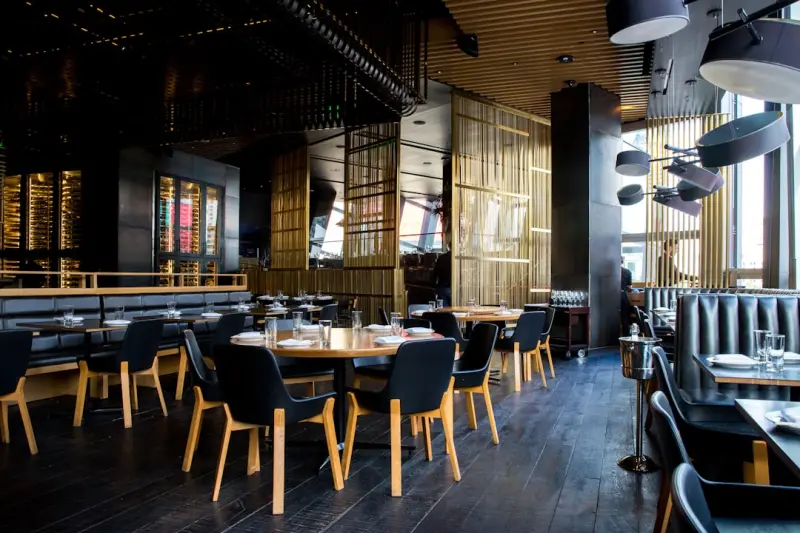
How Remote‑Work Culture Is Redefining Restaurant Design and Service
Remote workers are reshaping restaurants, from power‑outlet‑rich seating to focus‑friendly menus and real‑time reservation tech, turning dining spaces i...Read More
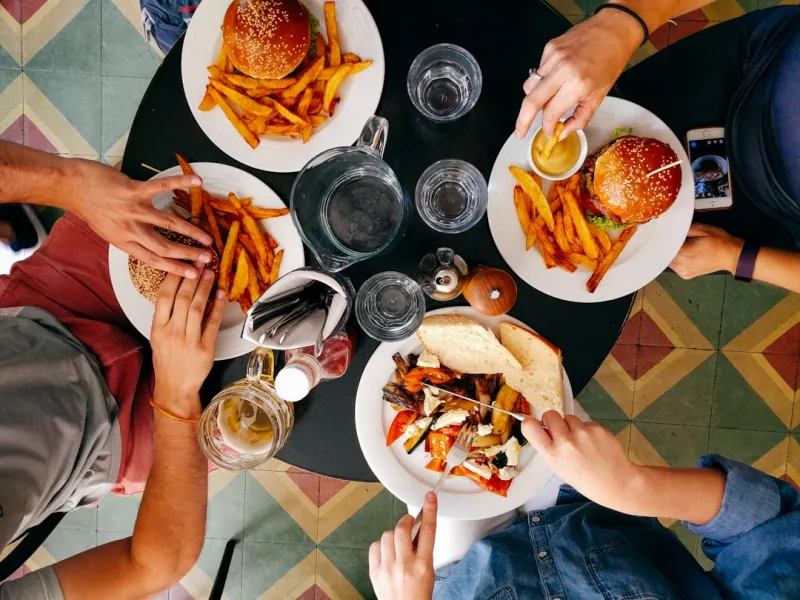
Why Every Bite Feels Like a Chapter: A Food Lover’s Dive into Story‑Driven Dining
Discover how today’s restaurants turn each plate into a story, from immersive menus to tech‑enhanced experiences, and learn how to find your next narrative ...Read More
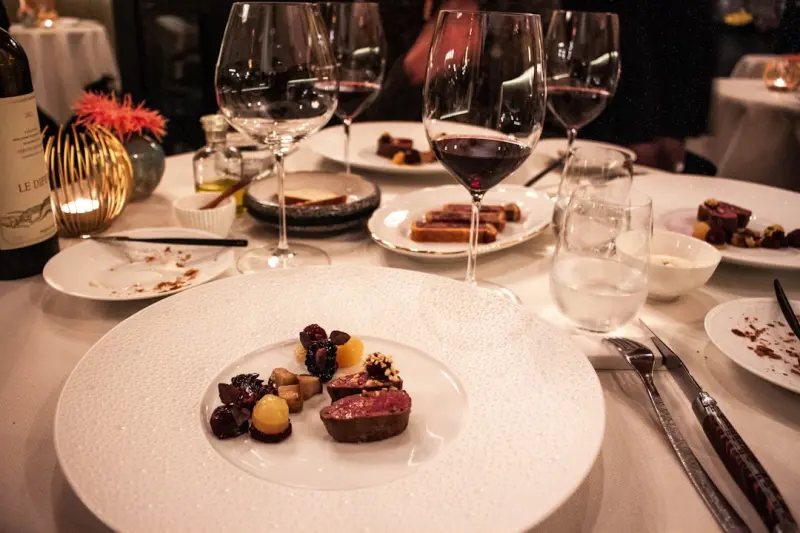
Hyper‑Local Harvests: How Fine Dining Is Embracing Sustainable Sourcing
Discover the rise of hyper‑local sourcing in fine dining, where chef‑farmer partnerships, seasonal menus, and zero‑waste practices combine to create unfor...Read More
0 Comments
Post Comment
You will need to Login or Register to comment on this post!