
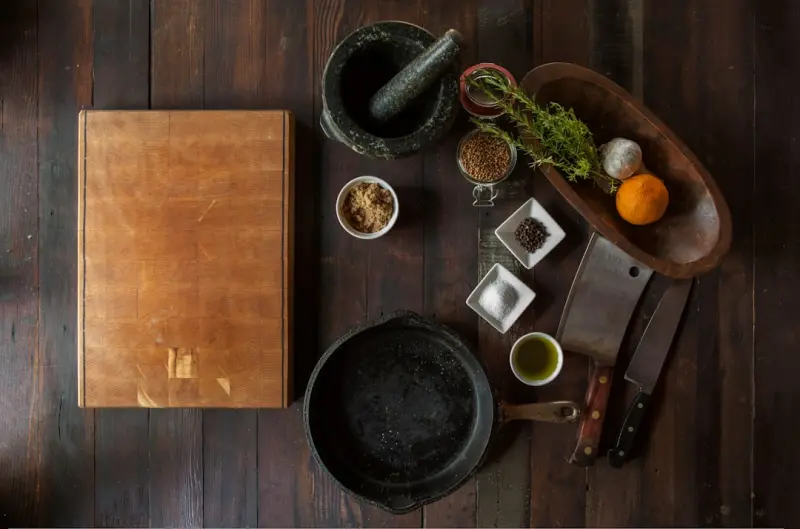
The Prelude: Setting the Stage for Suspense
When I step through the threshold of a fine‑dining sanctuary, the first whisper of anticipation arrives not from the menu but from the room itself; the subtle dimming of lights, the hush of a carefully curated playlist, and the gentle rise of ambient temperature all conspire to tell my senses, “something remarkable is about to unfold.”Every element is a deliberate cue, a silent promise that the evening will be more than a series of courses—it will be a narrative arc. The maître d’ greets you with a smile that feels rehearsed yet genuine, guiding you to a table where the place setting is immaculate but unassuming, allowing the mind to wander toward the unknown flavors that lie ahead. In this opening act, the chef, the sommelier, and the design team have already begun to write the first page of a story that will only be fully revealed bite by bite.
Crafting Anticipation Before the First Bite
Even before the first plate arrives, the reservation experience can seed curiosity; a thoughtfully worded confirmation email might hint at a “seasonal revelation” or a “secret ingredient” without spilling specifics, turning the act of booking into an invitation to guess.
When the menu is finally placed before you, it should act less like a list and more like a teaser trailer, with evocative descriptors that spark imagination while withholding full disclosure. By borrowing from menu psychology insights, chefs can layer intrigue—using terms like “whispers of citrus” or “a lingering echo of smoke”—that coax the diner’s mind to paint flavors before they ever touch the palate. This deliberate ambiguity fuels a mental rehearsal, a rehearsal that primes the brain for heightened pleasure once the actual taste arrives, proving that the art of anticipation begins long before the kitchen lights flare.
The Pause: Harnessing Suspense Between Courses
In the choreography of service, the spaces between dishes are not empty gaps but intentional pauses that amplify the drama of each arrival; a well‑timed intermission lets flavors settle, aromas linger, and the diner’s curiosity swell like a held breath.
Servers, acting as conductors, must gauge the table’s rhythm, allowing a brief silence after a rich amuse‑bouche before introducing a palate‑cleansing sorbet, then letting that coolness echo before the next heavyweight entrée. These calculated breaths create a tension‑release cycle that mirrors a symphony, where the rests are as essential as the notes, and the diner becomes a participant in a performance where every pause heightens the impact of the subsequent crescendo.
Sensory Cues That Heighten the Wait
While the table waits, subtle sensory cues can keep the anticipation alive; a faint waft of rosemary from a nearby kitchen pass, the soft clink of crystal being set for the upcoming wine service, or the gentle rise of a low‑frequency hum that syncs with the heart’s own rhythm.
These cues operate on a subconscious level, reminding guests that something is in motion and that the chef is meticulously crafting the next moment. A brief flash of amber light over the plating station, for instance, signals the transition from preparation to presentation, turning the kitchen into a stage that the diner watches through a veil of intrigue. By mastering these sensory signposts, restaurants can transform the inevitable wait into an integral part of the storytelling experience.
The Reveal: Orchestrating the Plate
When the plate finally appears, it should feel like the climax of a well‑written plot; the visual composition must command attention, the aromas must rise like a curtain, and the first bite should deliver the promised surprise.
Chefs can employ unseen fine‑dining elements—such as hidden textures beneath a glaze or a flash‑frozen vapor that dissipates upon contact—to create a moment of wonder that lingers beyond the palate. By integrating a subtle theatrical flourish, the dish becomes a multisensory revelation, turning the act of eating into an immersive experience where sight, smell, and sound converge to amplify flavor perception. The result is a memorable crescendo that satisfies both the intellect and the appetite, leaving guests eager for the next movement.
Harmony of Pairings: Sound, Wine, and Flavor
Just as a composer pairs melody with harmony, the sommelier pairs wine with the dish, and the subtle background music underscores the entire encounter, creating a triad that elevates each component.
By understanding the sound‑flavor synergy, a restaurateur can select a piece of music whose tempo and timbre echo the texture of the food—perhaps a light, staccato piano for a crisp fish or a deep, resonant cello for a slow‑braised beef. The wine, chosen not merely for its compatibility but for its ability to echo the dish’s narrative, adds another layer of resonance, turning each sip into a dialogue with the plate. This orchestration of senses ensures that the moment of revelation is reinforced on multiple levels, cementing the memory of the experience in a way that isolated taste alone could never achieve.
The Echo: Extending the Experience After the Last Course
Fine dining does not end when the final fork is set aside; the afterglow is cultivated through thoughtful gestures—a handcrafted chocolate truffle, a single‑origin espresso served in a porcelain cup, or a handwritten note that references a personal anecdote shared earlier in the evening.
These lingering touches act as a gentle encore, allowing the diner’s mind to replay the evening’s highlights and to associate the restaurant with a feeling of personal care. By offering a modest keepsake—a tiny bottle of the house‑made bitters or a printed recipe card—the establishment gives guests a tangible reminder that can be revisited at home, extending the narrative beyond the walls of the dining room and turning a single night into a lasting story.
From Moment to Memory: The Digital Legacy of Anticipation
In today’s connected world, the suspense built within the restaurant often migrates to social media, where diners share glimpses of the waiting experience—a candlelit table, a mist‑filled dome, a glass of wine waiting to be uncorked—creating a ripple of intrigue that draws new guests into the cycle.
By encouraging guests to capture and share the deliberate pauses, the subtle cues, and the final reveal, restaurants can turn the art of anticipation into a viral narrative, amplifying brand awareness while reinforcing the core philosophy that dining is a story worth savoring. This digital echo not only celebrates the chef’s craft but also invites future patrons to become part of the unfolding drama, ensuring that the cycle of suspense, revelation, and memory continues to thrive long after the plates are cleared.

When it comes to the world of blogging and writing, Rose DesRochers is a name that stands out. Her passion for creating quality content and connecting with her audience has made her a trusted voice in the industry. Aside from her skills as a writer and blogger, Rose is also known for her compassionate nature.
Related Posts
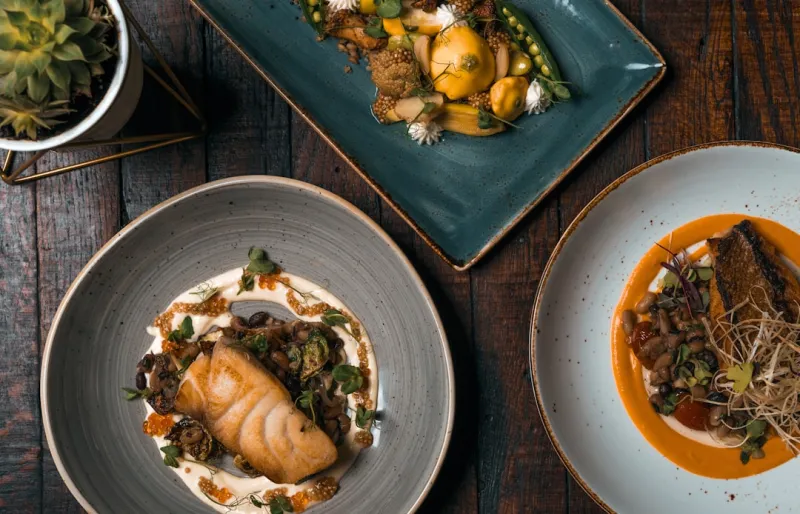
Fine Dining Reimagined: Becky Putman's 2024 Flavor Expedition
Becky Putman dives into 2024's fine‑dining scene, revealing hidden gems, flavor‑first philosophi... Read More
Zero‑Waste Fine Dining: Turning Scraps into Gourmet Experiences
Discover the rise of zero‑waste fine dining, where chefs turn every peel, stem, and bone into a go... Read More
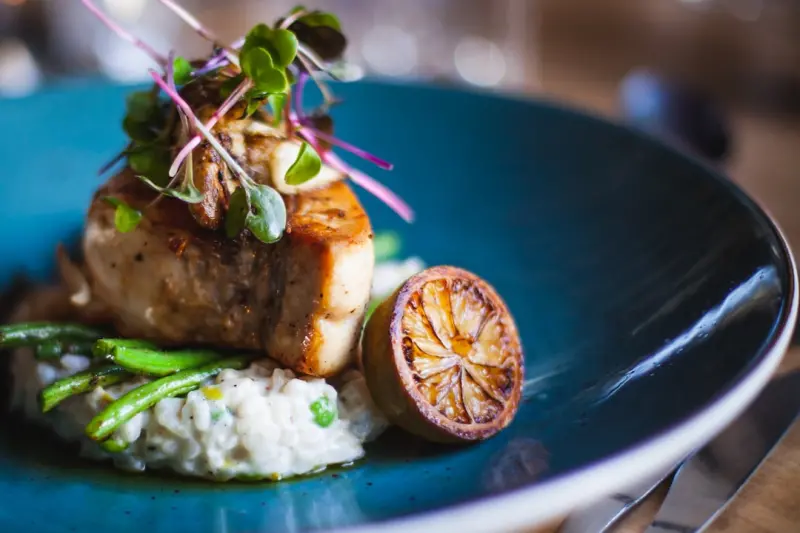
When Fine Dining Becomes a Narrative Journey
Discover how fine dining evolves into a storytelling adventure, where menus, wine pairings, and serv... Read More
Top Posts
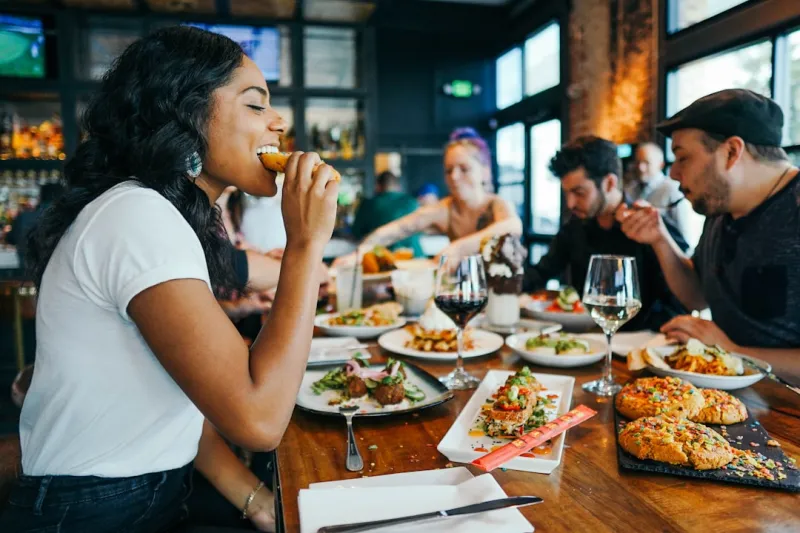
The Restaurant Renaissance: Becky Putman's 2024 Flavor-First Exploration
Becky Putman reveals how 2024’s restaurant scene shifts to flavor-first, community-driven dining, spotlighting hidden gems and future classics....Read More

A Food Lover’s Guide to Restaurants That Turn Meals Into Stories
Dive into a guide that reveals restaurants turning meals into compelling stories, offering flavors, atmospheres, and narratives that linger long after the last ...Read More
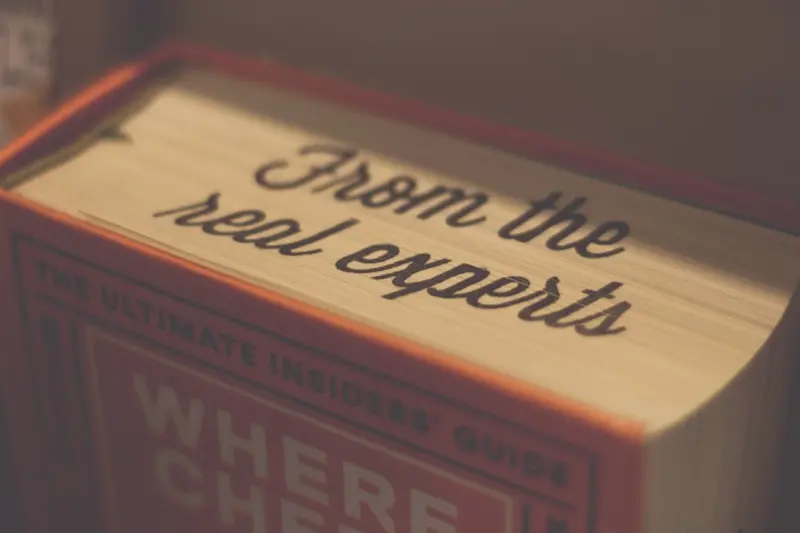
The Secret Ingredient: How Staff Stories Turn Diners Into Loyal Fans
Explore how authentic staff stories create deeper connections with diners, boost repeat visits, and give restaurants a powerful edge in today’s competitive ma...Read More
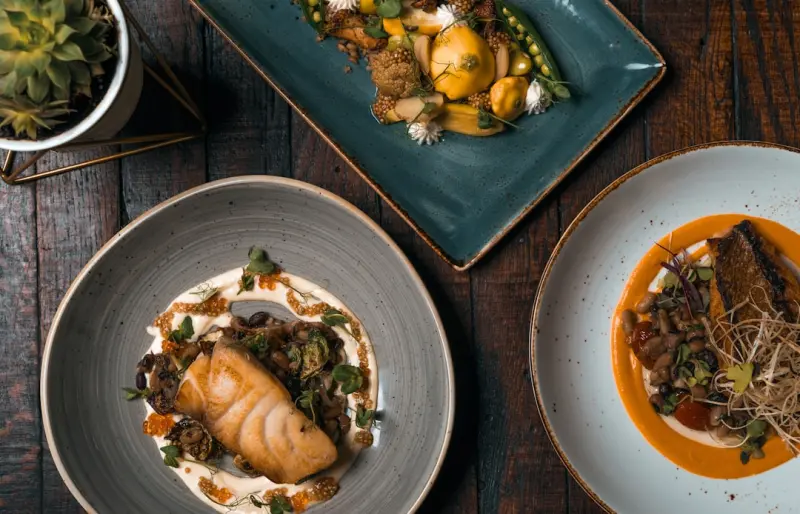
Beyond Silverware: How Tableware Design Rewrites Fine‑Dining Stories
A deep dive into the evolution of plates, glasses, and cutlery, and how their design now tells the story of every fine‑dining course....Read More
0 Comments
Post Comment
You will need to Login or Register to comment on this post!