
Why Community‑Centric Restaurants Matter
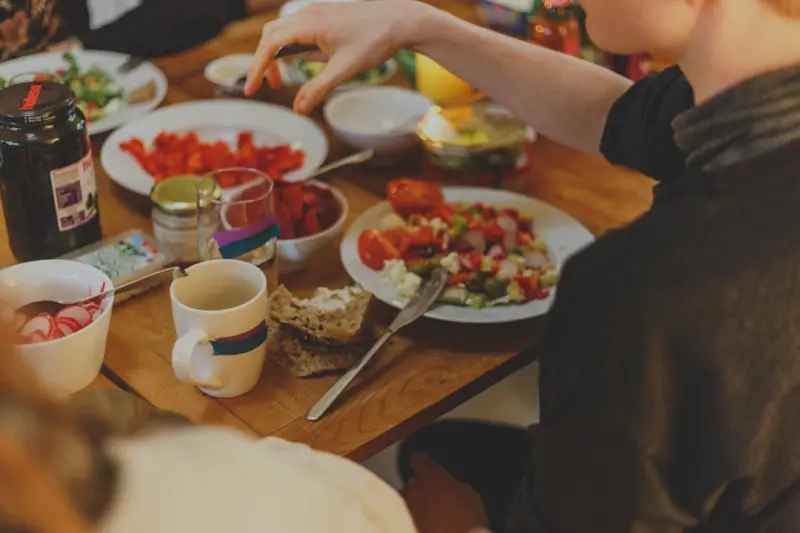
When I wander into a restaurant that feels like a living room rather than a staged performance, I instantly sense the difference; the buzz isn’t just about the food, it’s about the people sharing it. Community‑centric dining turns a simple meal into a gathering where strangers become friends over a shared plate, and that energy fuels my love for exploring new spots. For me, the best restaurants are those that deliberately design their space and service to welcome conversation, not just applause.
The Magic of Shared Tables
There’s something inherently joyous about a long communal table where diners of all ages sit side‑by‑side, swapping stories as plates make their rounds. I’ve found that these shared settings break down the formal barrier of “fine dining” and replace it with a warm, inclusive rhythm that encourages laughter and lingering. When the staff invites you to join a table already in motion, you instantly become part of a larger narrative, one that’s written each night by the collective palate.
Chef‑Driven Pop‑Ups and Local Artisan Partnerships
Some of my most memorable meals have been born from spontaneous collaborations between chefs and local bakers, brewers, or foragers, turning a regular dinner into a limited‑edition experience. These pop‑up events often appear without fanfare, announced only through a modest flyer or a whisper on social media, yet they deliver flavors that can’t be replicated elsewhere. The thrill of tasting a dish that exists for a single night reminds me that the restaurant world is still alive with improvisation.
Neighborhood Gems with Inclusive Menus
Inclusive menus that reflect the diverse dietary needs of a community signal a restaurant’s commitment to belonging, and I’ve seen this in action at several hidden‑away bistros where vegan, gluten‑free, and allergen‑safe options are not an afterthought but a core part of the design. When a menu is crafted with genuine empathy, it invites a broader audience to sit down together, fostering dialogue that might never happen otherwise. These establishments become anchors in their neighborhoods, drawing people together over a shared respect for each other’s choices.
Cultural Heritage Served Family‑Style
Family‑style service—large platters passed around the table—mirrors the way meals are shared in homes around the world, and it’s a powerful way to honor cultural traditions while inviting everyone to partake. I love discovering places that serve a traditional stew or a communal mezze spread, letting diners experience the rhythm of a culture that values generosity. The act of passing dishes creates a silent pact of hospitality, reminding us that food is as much about connection as it is about flavor.
Reservation Policies That Encourage Community
Restaurants that reserve a portion of their seating for walk‑ins or community nights demonstrate an openness that goes beyond the typical booking model. I’ve noticed that these flexible policies often lead to spontaneous gatherings, where locals and tourists converge without pre‑planned agendas, fostering organic connections. When a venue balances structured reservations with spontaneous access, it signals a genuine desire to be a neighborhood hub rather than an exclusive club.
Design Details That Spark Conversation
From low lighting that encourages intimate chats to communal bar stools that line a bustling kitchen, interior design can subtly guide how guests interact. I’m always on the lookout for thoughtful touches—like a chalkboard wall where diners leave notes for each other or a shared garden space that invites patrons to linger after the meal. These design elements turn a restaurant into a stage for everyday storytelling, where the setting itself becomes a catalyst for dialogue.
Finding the Hidden Community Leaders
Unearthing these community‑focused eateries often starts with a conversation, but a quick browse of curated lists can also point you in the right direction. For a deeper dive into places that break the mold, check out Beyond the Guidebook for tips on spotting restaurants that prioritize local connections over tourist hype. Pair that research with a willingness to step inside unannounced, and you’ll quickly discover the neighborhoods that thrive on shared meals.
My Takeaway: Eat Like a Neighbor
Ultimately, the best restaurants are those that treat you not as a customer but as a neighbor, inviting you to sit, stay, and share in the collective rhythm of the place. When you choose a spot that celebrates communal tables, inclusive menus, and local collaborations, you’re supporting a model of dining that enriches the whole community. So next time you crave a new culinary adventure, look for the buzz of conversation, the hum of shared plates, and the warm welcome that says, “Welcome home.”

Becky Putman is an Ottawa-based freelance writer and marketing professional with a passion for storytelling, animals, and community involvement. She enjoys creating engaging content that informs, inspires, and connects with readers.
Related Posts

Zero‑Waste Dining: The Fresh Standard for Today’s Best Restaurants
Zero‑waste isn’t a fad—it's becoming the benchmark for the best restaurants, from menu design ... Read More

Becky Putman's Top 10 Best Restaurants to Experience in 2024
Becky Putman reveals her 2024 top restaurant picks, highlighting flavor‑first concepts, sustainabl... Read More
Snap‑Worthy Bites: The Best Restaurants for Food‑Photography Lovers
Explore city and scenic eateries that pair perfect lighting, artful plating, and Instagram‑ready s... Read More
Top Posts
Chef‑Centric Restaurants: How Personal Vision Shapes Unforgettable Dining
Explore why the most memorable eateries let the chef’s personality steer the menu, design, sound, and community ties, creating a truly immersive dining journe...Read More

Rose DesRochers’ Top Picks: The Best Restaurants of 2024
Rose DesRochers reveals her 2024 restaurant favorites, from intimate New York spots to hidden Portland gems, emphasizing flavor, sustainability, and innovative ...Read More

When the Plate Takes Center Stage: The Art of Culinary Theatre
Fine dining is stepping onto the stage, where chefs become performers and every course is a scene, turning meals into immersive theater....Read More

Illuminating Fine Dining: How Light Shapes Flavor, Mood, and Memory
Explore the subtle power of light in fine dining—how illumination can amplify flavors, set the mood, and turn each course into a memorable experience....Read More
0 Comments
Post Comment
You will need to Login or Register to comment on this post!