
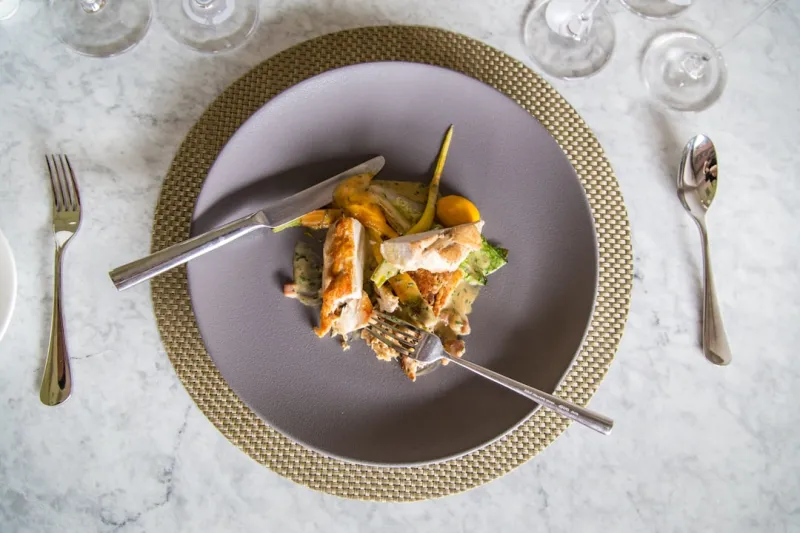
When the Plate Becomes a Storybook
Fine dining has slipped out of the shadow of mere sustenance and stepped onto the stage of narrative art, inviting guests to read between the flavors, textures, and aromas as if they were turning pages of a novel; this shift feels like a quiet rebellion against the fast‑food mentality that dominates our daily lives, and it thrills me because it honors the patience and imagination that cooking demands. I find myself lingering over each course, letting the chef’s intention unfold in my mind the way a plot twist reveals itself, and the experience becomes a dialogue between my senses and the kitchen’s creativity. In this new era, the restaurant table is no longer a static setting but a dynamic theater where every garnish, every pause, and every whispered description contributes to a story that only the most attentive diners can fully appreciate.
The Rise of Narrative Menus
Menus now read like chapters, each dish labeled not just by its ingredients but by a short vignette that hints at the journey ahead, and this literary approach transforms ordering into a collaborative act of imagination between guest and chef; the anticipation builds as I scan a description that mentions “the first light of dawn over a lavender field,” prompting me to picture a sunrise before the first bite even arrives. This storytelling technique is brilliantly exemplified in restaurants highlighted in The Art of Narrative Dining, where the menu itself serves as a prelude to the performance on the plate. By weaving narrative threads through the menu, chefs give diners a roadmap that enhances emotional resonance, turning a simple tasting into a memory that lingers long after the last morsel has disappeared.
Sensory Layers as Plot Devices
Beyond flavor, the modern fine‑dining experience employs sight, sound, and even subtle vibrations to act as plot devices that deepen immersion; a dimly lit room with a soft murmur of distant waves can make a sea‑salted scallop feel like a shore‑side revelation, while a gentle breeze wafting through an open window can make a herb‑infused broth taste fresher than any garden. These multisensory cues are deliberately choreographed, much like a director cues lighting and music to heighten drama, and they encourage diners to engage all their senses, making each bite a moment of revelation rather than a routine consumption. When every element works in concert, the meal transcends the plate, becoming a fully realized narrative that engages mind, body, and soul.
Chefs as Storytellers, Not Just Cooks
Today’s chefs wear two hats: that of culinary artisan and that of author, crafting arcs that begin with an amuse‑bouche and culminate in a dessert that offers resolution and reflection; they study pacing, tension, and climax the same way novelists study plot structure, ensuring that each course builds anticipation and delivers payoff. I admire how some chefs reveal personal histories through their dishes, turning a childhood memory of a grandmother’s kitchen into a modernist reinterpretation that feels both intimate and avant‑garde, and this vulnerability invites diners to share in a private narrative made public. By positioning themselves as storytellers, chefs empower diners to become active participants, interpreting symbols on the plate much like readers decode metaphors in prose.
Personal Journey Through Storytelling Feasts
My own pilgrimage through the world’s most compelling tables has been guided by a desire to collect stories as much as flavors, and each restaurant I’ve visited feels like a chapter in a larger memoir of taste; the first time I sat at a table where the sommelier introduced the wine as “the sunset after a long harvest,” I realized that language could elevate the drinking experience into an emotional moment. This revelation led me to write about my experiences in pieces such as Savoring Stories: My Journey Through the Best Restaurants, where I chronicled how narrative techniques transformed ordinary meals into unforgettable episodes. The more I explore, the clearer it becomes that the best fine‑dining establishments are those that treat each guest like a co‑author, inviting them to co‑create the story with every forkful.
Designing the Space for Narrative Flow
The architecture of a restaurant now mirrors the structure of a well‑written book, with spaces designed to guide diners through an emotional rhythm; intimate alcoves might host a quiet interlude, while a grand central hall provides the climax of a tasting menu, and each transition is carefully timed to allow reflection before the next act begins. Lighting designers collaborate with chefs to dim the room just enough to focus attention on the plate, while sound engineers curate playlists that echo the thematic elements of the cuisine, such as the rustle of leaves during a forest‑inspired dish. When the environment aligns with the culinary story, guests feel transported, and the dining experience becomes a seamless narrative journey rather than a series of isolated bites.
Emerging Trends: Interactive Storytelling
Interactive elements are beginning to surface, inviting diners to participate directly in the storytelling process; some chefs hand out small cards prompting guests to guess the inspiration behind a dish before the reveal, turning curiosity into a playful game that heightens engagement and deepens appreciation for the craft. Others employ augmented reality projections that overlay visual stories onto the table, allowing patrons to watch a brief animation of a fisherman hauling in the very fish they are about to taste, blending technology with tradition in a harmonious duet. These innovations signal a future where the line between spectator and performer blurs, and fine dining becomes a collaborative narrative adventure that evolves with each new generation of diners.
Tips for Becoming an Attentive Narrative Diner
To fully savor the storytelling feast, approach each meal with mindfulness, allowing yourself the time to read the menu’s prose, observe the plating, and inhale the aromas before the first bite, because rushing defeats the purpose of a narrative experience; treat the course as a paragraph, not a bullet point, and let its ideas settle before moving on. Engage with the staff, ask about the inspiration behind a component, and share your own impressions, as conversation can unlock layers of meaning that might otherwise remain hidden. Finally, carry a notebook or mental log of the stories that resonated most, because revisiting those memories later transforms a single dinner into a lasting chapter of your personal culinary anthology.
Conclusion: The Future is a Story on a Plate
As the fine‑dining world continues to intertwine gastronomy with narrative art, diners are invited to become both readers and critics, savoring each sentence of flavor while contributing their own interpretations to the evolving tale; this symbiotic relationship ensures that restaurants remain vibrant, dynamic spaces where creativity thrives. I look forward to the day when every reservation feels like a ticket to a literary soirée, and the only thing more exciting than the food is the story it tells. In the meantime, I encourage fellow food lovers to seek out establishments that prioritize narrative, because the most memorable meals are those that feed both the palate and the imagination.

Becky Putman is an Ottawa-based freelance writer and marketing professional with a passion for storytelling, animals, and community involvement. She enjoys creating engaging content that informs, inspires, and connects with readers.
Related Posts

The Sensory Storytelling Revolution Redefining Fine Dining in 2026
Fine dining in 2026 transcends taste, turning plates into narratives that engage sight, sound, scent... Read More

The Digital Renaissance: How AR is Redefining the Fine‑Dining Experience
Discover how augmented reality is turning fine‑dining menus into living stories, creating immersiv... Read More
Designing Fine Dining for Neurodiverse Palates: A Sensory‑First Approach
Discover how fine‑dining can become a sanctuary for neurodiverse diners through intentional seatin... Read More
Top Posts
The Diplomatic Plate: How Fine Dining Bridges Cultures
Fine dining isn’t just about luxury; it’s a diplomatic tool that uses food, stories, and partnership to bridge cultures, boost tourism, and foster global un...Read More
Savoring History: The Best Restaurants That Turn Heritage Buildings into Culinary Experiences
Discover how dining in heritage buildings transforms meals into time‑traveling experiences, blending architecture, story, and flavor for unforgettable moments...Read More
Al Fresco Evolution: How Restaurants Are Reimagining Outdoor Dining
Discover the rise of outdoor dining as restaurants redesign patios, rooftops, and pop‑ups, blending sustainability, tech, and hospitality to create unforgetta...Read More
Micro‑Seasonal Foraging: How Restaurants Are Letting the Land Write the Menu
Explore the rise of micro‑seasonal foraging in restaurants, where chefs let nature dictate the menu, delivering fresh, sustainable, and story‑rich dishes....Read More
0 Comments
Post Comment
You will need to Login or Register to comment on this post!