
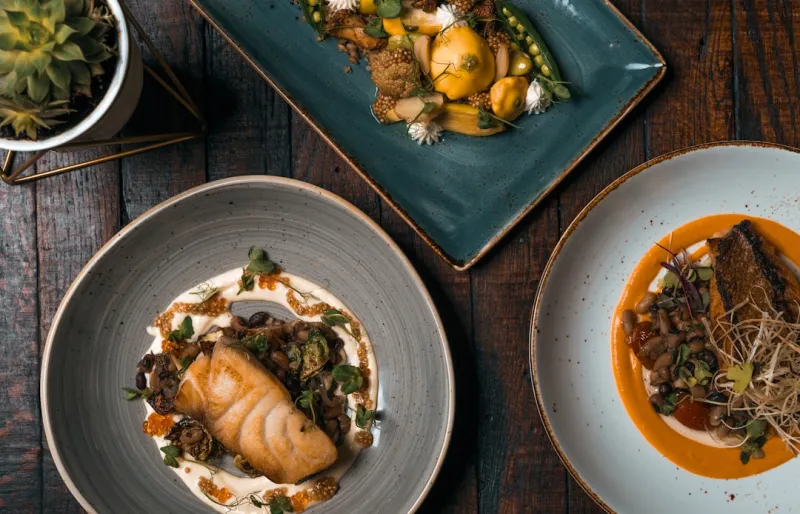
Why Fine Dining Is No Longer Just About Food
When I first stepped into a Michelin‑starred room, the clink of crystal and the whisper of linen were the only things that seemed to matter; now, the experience is a living manuscript, each course a chapter that pulls you deeper into a chef’s imagination. Fine dining has evolved from a showcase of technique to a narrative canvas where flavor, sight, sound, and scent co‑author a story you can taste. As I move from table to table, I notice diners leaning in, not just for the next bite, but for the next revelation that the kitchen has plotted for them.
The Rise of Storytelling on the Plate
It isn’t enough to plate a perfect scallop anymore; the dish must convey a memory, a place, a moment that resonates long after the last forkful disappears. In my recent deep‑dive, The Rise of Storytelling on the Plate, I explored how chefs embed personal histories into their menus, turning each morsel into a narrative breadcrumb. This shift has sparked a renaissance where diners are invited to decode symbolism, turning a simple tasting menu into an interactive literary adventure.
Sensory Storytelling: The New Frontier
The sensory storytelling revolution has taken the fine‑dining world by storm, blending aroma, texture, and even tactile feedback into a cohesive storyline. I recently visited a restaurant that paired a smoky beetroot consommé with a subtle, chilled marble plate that sang under the diner's fingertips, echoing the cool mountain streams that inspired the dish. Articles like The Sensory Storytelling Revolution highlight how these multisensory cues transform meals into immersive memories.
The Art of Narrative Dining
Every element of the service— from the maître d’’s opening line to the soft lighting that mimics twilight— acts as a paragraph in the evening’s tale. In The Art of Narrative Dining, I documented how chefs collaborate with designers to choreograph a seamless flow, ensuring the transition from amuse‑bouche to dessert feels like turning pages in a well‑written novel. The result? A dining experience that feels less like a meal and more like a curated journey through emotion and imagination.
A Flavor‑First Journey Through the Hottest Restaurants
My own flavor‑first quest has taken me from bustling urban pop‑ups to secluded mountain lodges, each stop revealing a fresh approach to storytelling through taste. I prioritize dishes that surprise the palate first, allowing the story to unfold organically as flavors evolve from bright acidity to lingering depth. This method aligns with the philosophy that the narrative should never outshine the food, but rather, the cuisine should be the protagonist that carries the plot forward.
Technology as the Narrative Bridge
Digital projections, QR‑code menus, and augmented‑reality plating have become the modern ink that chefs use to write their stories in real time. One avant‑garde bistro employs a subtle AR overlay that animates the seafoam on a plate, reminding diners of the tide’s rhythmic pull that inspired the chef’s coastal harvest. While some purists balk at the intrusion of screens, the seamless integration of tech often amplifies the emotional resonance, making the story more vivid and memorable.
Design, Ambiance, and the Unspoken Chapter
The architecture of a restaurant is the silent prologue that sets expectations before the first fork touches the plate. Velvet drapes, reclaimed wood tables, and a distant water feature can each whisper a different backstory, priming guests for the culinary narrative to come. When these design choices echo the chef’s inspiration— say, a rustic farmhouse vibe for a farm‑to‑table menu— the entire environment becomes a cohesive, immersive manuscript.
How to Engage Fully with Narrative Fine Dining
- Listen to the server’s cues: they often hint at the thematic arc of the meal.
- Observe plating details: colors, shapes, and placement are visual metaphors.
- Savor each bite slowly: allow flavors to reveal hidden layers, just as a plot twist emerges.
- Ask questions: chefs love to share the story behind their creations, enriching your experience.
By treating each course as a chapter rather than a checkpoint, diners become active participants, co‑authoring the evening’s story with the kitchen.
Looking Ahead: The Future of Story‑Driven Fine Dining
As the line between gastronomy and performance continues to blur, I anticipate a future where every restaurant becomes a stage and every dish a scripted soliloquy. The next wave may see collaborations with poets, musicians, and visual artists, crafting interdisciplinary feasts that transcend the traditional palate. Until then, I’ll keep chasing those narrative‑rich tables, documenting each chapter in my ongoing chronicle of culinary storytelling.

When it comes to the world of blogging and writing, Rose DesRochers is a name that stands out. Her passion for creating quality content and connecting with her audience has made her a trusted voice in the industry. Aside from her skills as a writer and blogger, Rose is also known for her compassionate nature.
Related Posts

When Architecture Becomes the Main Course: Spatial Storytelling in Fine Dining
Discover how thoughtful spatial design—lighting, texture, acoustics, and subtle tech—turns fineâ... Read More

When a Meal Becomes a Narrative Adventure
Fine dining isn’t just food—it’s a narrative adventure. Explore how ambience, menus, and servi... Read More
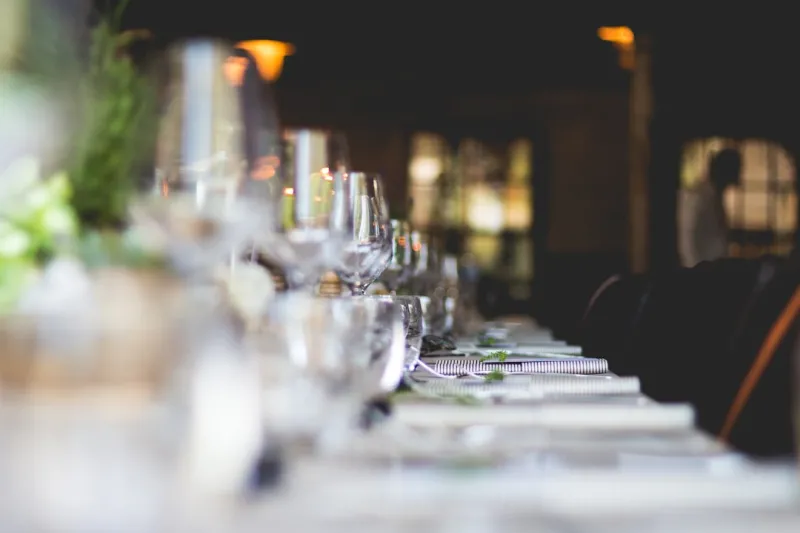
When Fine Dining Becomes a Storytelling Feast
A personal journey through fine‑dining reveals how chefs turn plates into stories, engaging every ... Read More
Top Posts
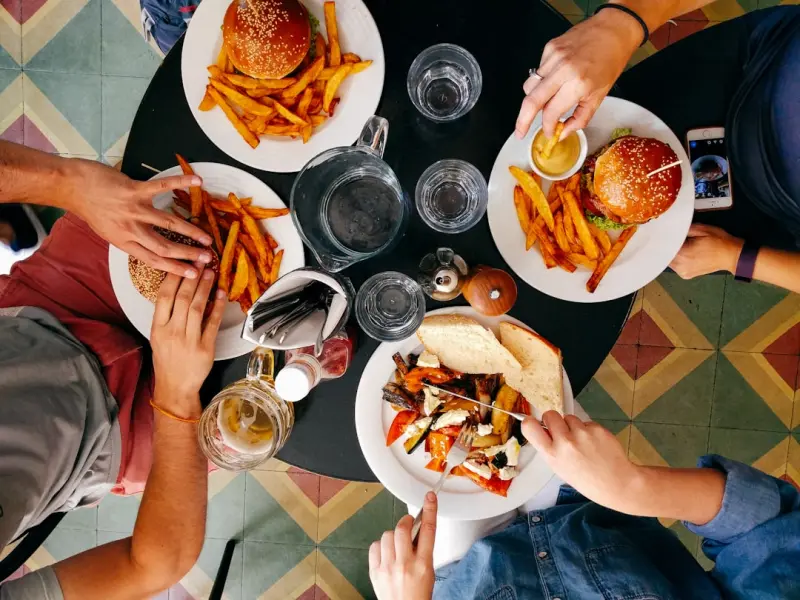
The Silent Influence: How Plate Design Shapes Your Dining Experience
Explore the psychology behind plate design, from material science to cultural cues, and learn how the right tableware can transform every bite....Read More

Cross‑Cultural Storytelling: How Global Fusion Is Transforming Fine Dining
Explore the rise of global fusion in fine dining, where chefs use personal heritage, cross‑continental ingredients, and curated service rituals to craft immer...Read More
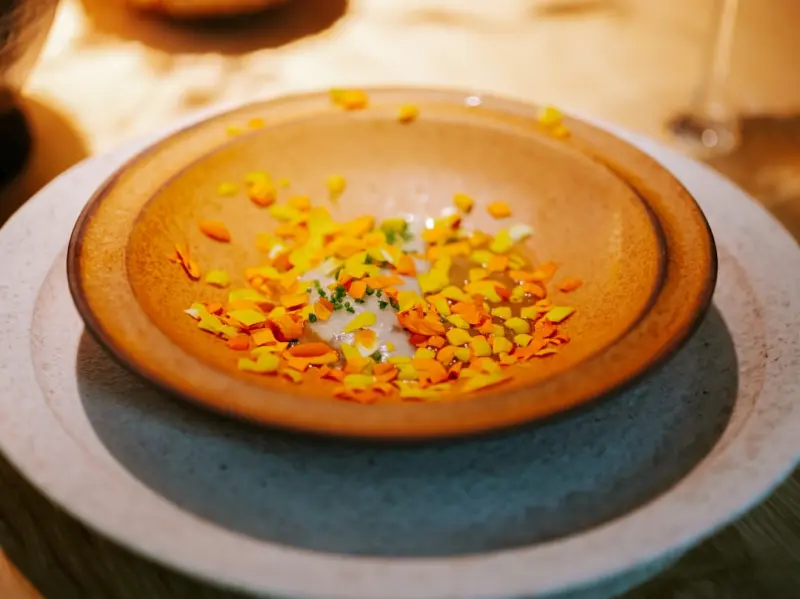
Zero‑Waste Fine Dining: Turning Scraps into Culinary Stars
Discover the art of turning kitchen scraps into gourmet delights, as fine dining embraces zero‑waste principles for a sustainable, luxurious experience....Read More
Exploring the Top Restaurants That Redefine the Tasting Menu Experience
A guide to restaurants that transform tasting menus into adventurous experiences through seasonal creativity, daring flavor combos, and immersive atmospheres....Read More
0 Comments
Post Comment
You will need to Login or Register to comment on this post!