

Why Sound Matters More Than You Think
I still remember the first time I stepped into a dimly lit bistro where the subtle hum of a vintage vinyl record seemed to swirl around my plate, coaxing the citrus in the scallop ceviche to sing louder than the clink of glassware, the murmur of neighboring conversations, and the distant clatter of the kitchen; the ambience was not an afterthought but a deliberate, sensory catalyst that amplified every aromatic nuance. That moment taught me that the best restaurants are not merely architects of flavor, but composers of atmosphere, weaving rhythm, tempo, and silence into the very fabric of each bite, allowing diners to taste music as much as they taste food. From that night onward I have chased the elusive soundtrack of dining, cataloguing the places where a thoughtfully chosen chord progression can amplify umami, while an ill‑timed siren can drown out even the most meticulously plated masterpiece, proving that auditory cues are as essential as salt or butter in the chef’s arsenal.
The Science Behind Sonic Seasoning
Recent research in neurogastronomy reveals that low‑frequency tones can enhance the perception of sweetness, while higher pitches tend to highlight acidity, meaning that a well‑curated playlist can subtly shift the balance of a dish without any chemical alteration, a phenomenon chefs are beginning to exploit as a form of sonic seasoning. In controlled taste tests, participants reported that a mellow jazz backdrop made a chocolate mousse feel richer and more velvety, whereas a brisk electronic beat sharpened the bite of a citrus‑forward salad, confirming that the brain processes sound and taste in overlapping neural pathways. Consequently, restaurateurs who understand this interplay can engineer an auditory environment that complements their culinary narrative, turning each course into a multisensory performance that lingers long after the final forkful.
Curated Playlists: The Secret Sauce of the Elite
Some of the most acclaimed dining rooms now employ dedicated music curators whose playlists are as meticulously crafted as a tasting menu, matching tempo, key, and lyrical content to the seasonal ingredients on offer; this practice is a core component of the secret systems that separate a good restaurant from a great one. For example, a seaside restaurant might begin dinner with gentle waves and ambient piano to evoke the tide, then transition to a lively folk rhythm as the menu moves from raw oysters to grilled branzino, subtly guiding diners’ emotional journey. By aligning sonic moods with culinary phases, these establishments create a seamless narrative that feels intuitive, allowing guests to flow from one course to the next without conscious effort, as if the music itself were plating the food.
Acoustic Architecture: More Than Just Noise Control
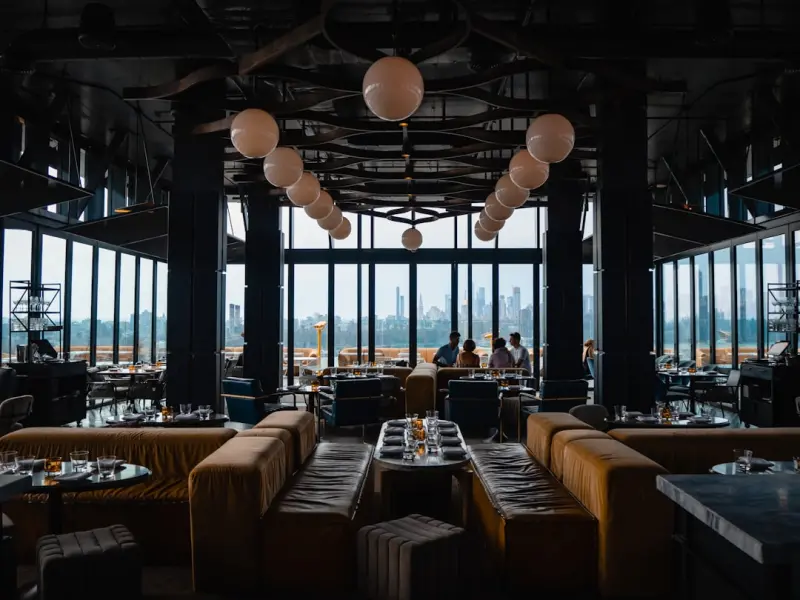
While many venues focus on visual design, the acoustic architecture of a space—its ceiling height, wall materials, and even table placement—plays a pivotal role in how sound travels and how diners perceive flavor, a detail often overlooked in mainstream restaurant reviews. Soft, porous surfaces such as reclaimed wood or acoustic panels absorb excess chatter, reducing the din that can mask subtle flavor notes, whereas strategically placed reflective surfaces can amplify the gentle clink of cutlery, creating a sense of intimacy and focus. The result is an environment where the auditory backdrop supports the chef’s intent, allowing a whisper of rosemary or a hint of smoked paprika to resonate more clearly in the mind of the patron.
Local Musicians as Culinary Collaborators
Increasingly, chefs are inviting local musicians to perform live, turning the dining room into a stage where food and sound co‑create a shared story, a practice that not only enriches the guest experience but also strengthens community ties, echoing the collaborative spirit found in farm‑to‑table movements. A small rooftop eatery might feature a saxophonist improvising over a seasonal vegetable tasting, each solo echoing the freshness of the produce, while a bustling downtown brasserie could host an indie duo whose lyrical themes mirror the bold spices of the menu, forging a dialogue between plate and performance. These partnerships transform meals into living, breathing events where the tempo of a song can dictate the pace of a service, and the crescendo of a chorus can herald the arrival of a dessert.
The Quiet Power of a Calm Soundscape
Beyond music, the overall soundscape—including the gentle hiss of a well‑tuned espresso machine or the soft rustle of linen—contributes to a sense of calm that can heighten diners’ receptivity to complex flavors, an insight that aligns with the findings of restaurant staff wellness research showing that a relaxed environment reduces stress hormones, allowing taste buds to function optimally. When staff move with ease and confidence, their subtle interactions—soft greetings, unobtrusive service gestures—add an invisible layer of serenity that permeates the room, making the auditory experience as nourishing as the food itself. In this way, the quiet moments become a canvas on which the chef’s flavors can truly shine, proving that silence, when intentional, is as flavorful as any sauce.
Lighting, Scent, and Sound: The Triple Threat
While sound alone can influence taste, the most immersive dining experiences blend lighting, aroma, and acoustics into a harmonious trio that engages all senses, creating a holistic environment where each element reinforces the others. Warm, dimmed lighting can mellow the palate, encouraging diners to savor richer, slower‑cooked dishes, while a burst of cool, bright illumination can invigorate the senses, making citrus or herbaceous flavors feel more vibrant; when paired with a complementary soundtrack—soft amber tones for comfort food or crisp, bright melodies for a salad—the overall perception of the dish is amplified. Adding subtle scented notes, such as a hint of rosemary in the air during a herb‑focused entrée, further deepens this sensory synergy, turning a simple meal into an unforgettable performance.
My Personal Encounter: The Symphony of Saffron Risotto
One evening I visited a boutique restaurant that had meticulously programmed a string quartet to play a slow, lyrical piece as I awaited my saffron risotto, the golden hue of the dish reflecting the warm glow of amber candles while the music’s low strings resonated with the earthiness of the broth, creating an almost tangible connection between sound and flavor. As the violin entered a gentle crescendo, I felt the creamy rice swell on my tongue, each grain releasing a burst of aromatic depth that seemed to echo the rising melody; the experience was less about the ingredients and more about the orchestration of all sensory inputs working in concert. By the time the final note faded, the risotto’s subtle layers had fully unfolded, leaving me with a lingering impression that the music had not only accompanied but actively enhanced the culinary masterpiece.
Tips for Diners: Listening to the Menu
- Observe the volume: a quieter room often indicates a focus on nuanced flavors.
- Notice the genre: jazz and classical tend to complement delicate dishes, while upbeat beats pair well with bold, spicy fare.
- Pay attention to transitions: seamless changes in music can signal the shift from appetizer to main, preparing your palate for new sensations.
- Ask the staff: many establishments are proud of their sound design and can share the story behind their playlist choices.
By actively listening, you become a more engaged participant in the dining experience, allowing the restaurant’s auditory cues to guide your tasting journey and deepen your appreciation for the chef’s craft.
Conclusion: The Future of Dining Is Auditory
As the culinary world continues to innovate, the most forward‑thinking restaurants will recognize that sound is not a backdrop but a core ingredient, one that can transform a good meal into a memorable event, a philosophy that resonates with my own belief that dining should be a full‑body experience. Whether through curated playlists, live performances, or meticulously engineered acoustics, the best establishments are already composing symphonies that play as loudly as the flavors on the plate, inviting guests to taste with their ears as much as with their tongues. I encourage you to seek out these auditory artisans, to listen as closely as you look, and to let the music guide you to the next unforgettable bite.

When it comes to the world of blogging and writing, Rose DesRochers is a name that stands out. Her passion for creating quality content and connecting with her audience has made her a trusted voice in the industry. Aside from her skills as a writer and blogger, Rose is also known for her compassionate nature.
Related Posts

Best Restaurants 2026: A Flavor‑First Adventure
Discover the 2026 restaurant scene through Rose DesRochers’ lens—where flavor‑first philosophy... Read More

My Flavor‑First Voyage Through the City’s Most Talked‑About Restaurants
Join me on a flavor‑first quest through the city’s most talked‑about eateries, where every pla... Read More
Hyper‑Local Harvests: The Best Restaurants Turning Farm Freshness Into Unforgettable Meals
Explore how hyper‑local sourcing, seasonal menus, and chef‑farmer collaborations define today’... Read More
Top Posts

When Fine Dining Becomes a Storytelling Feast
A personal journey through fine‑dining reveals how chefs turn plates into stories, engaging every sense and hinting at the next chapter of culinary narrative....Read More

Best Restaurants of 2024: Rose DesRochers' Insider Picks & Stories
Rose DesRochers reveals the daring restaurants redefining 2024’s culinary scene, blending bold flavors, storytelling, and sustainable practices....Read More

The Hidden Narrative: How I Turned a Dinner Into a Story
A personal account of turning a restaurant visit into a narrative journey, exploring how menus, ambiance, and chef creativity create story‑driven dining exper...Read More

Dining in the Dark: How Blind Experiences Are Transforming Taste
Discover the sensory magic of blind dining—where darkness amplifies flavor, texture, and aroma, turning every bite into an unforgettable experience....Read More
0 Comments
Post Comment
You will need to Login or Register to comment on this post!