
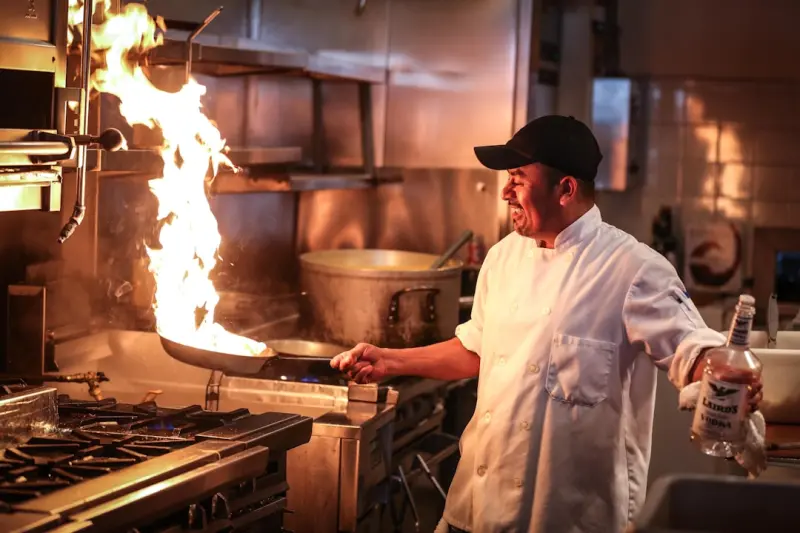
The Rise of Chef‑Patron Partnerships
In an era where exclusivity is often measured by rarity, the most compelling fine‑dining experiences are no longer dictated solely by a chef’s singular vision, but by an evolving dialogue between the kitchen and the diner, a partnership that transforms a reservation into a collaborative ceremony; this shift invites guests to share memories, preferences, and curiosities before they even set foot in the dining room, allowing chefs to weave those intimate details into the very fabric of each course, and in doing so, they craft a narrative that feels both bespoke and deeply resonant, turning a night out into a living memory rather than a static performance. Personalized menu creation has become a quiet revolution, where the anticipation begins with a pre‑dinner questionnaire, continues through a curated tasting preview, and culminates in a plated story that reflects the guest’s palate as much as the chef’s artistry, resulting in a dynamic interaction that feels as rare and valuable as the most coveted table in the house.
Unlike traditional tasting menus that follow a predetermined arc, co‑created experiences demand a level of flexibility and humility from chefs, who must balance their signature techniques with the nuanced tastes of each patron, often redefining classic preparations on the fly to honor a guest’s love for a particular spice, a cherished childhood flavor, or an adventurous desire to explore unfamiliar textures; this delicate dance not only showcases the chef’s technical prowess but also underscores a profound respect for the diner’s story, fostering an atmosphere where the kitchen becomes a studio and the guest a co‑author, ultimately elevating the act of eating from mere consumption to an act of shared creation.
Designing a Co‑Created Menu
The architecture of a collaborative menu begins long before the first plate arrives, with a thoughtful intake process that may include a brief interview, a tasting questionnaire, or even a shared digital mood board, tools that allow diners to articulate flavors they adore, textures they avoid, and culinary memories they wish to revisit, while chefs use this insight to sketch a culinary roadmap that marries seasonal availability with personal preference, ensuring that each ingredient not only sings on its own but also harmonizes within the larger composition; the result is a menu that feels simultaneously familiar and novel, anchored by the diner’s narrative yet elevated by the chef’s expertise.
When the night unfolds, the service team becomes an interpreter of this partnership, guiding guests through each course with context that highlights why a particular herb was chosen, how a rare varietal of mushroom complements a remembered aroma, or why a plating technique mirrors a cherished visual motif, creating a layered experience that deepens appreciation and encourages conversation; this approach also opens space for spontaneous adjustments, such as swapping a protein for a vegetarian alternative based on real‑time feedback, which reinforces the notion that the dining experience is alive, responsive, and ultimately co‑owned by everyone at the table. For chefs looking to explore this model, the article Chef’s Table & Pop‑Up Magic: Top Restaurants Redefined offers valuable insights into how intimate settings can serve as fertile ground for such collaborations.
Beyond the logistical choreography, the visual language of the plate takes on new meaning, as chefs may incorporate subtle symbols—perhaps a garnish shaped like a cherished hometown landmark or a sauce drizzled in the pattern of a favorite piece of music—each element serving as a visual cue that reminds diners of the shared journey that brought them to that moment; these intentional touches transform the plate into a canvas where personal stories are celebrated, turning every bite into a dialogue between memory and taste, and inviting guests to linger over the narrative as much as the flavors.
The Ripple Effect on the Fine‑Dining Landscape
As more establishments embrace co‑creation, the broader industry begins to reexamine the metrics of success, shifting focus from accolades and star counts to guest satisfaction measured through emotional resonance and repeat collaboration, a metric that can be captured through post‑dinner reflections, personalized follow‑up notes, or even a curated photo album that commemorates the night’s culinary milestones; this paradigm encourages restaurants to invest in staff training that emphasizes active listening, empathy, and storytelling, fostering a culture where every team member becomes a conduit for the chef‑patron partnership.
Moreover, the ripple extends to supply chains, as chefs who design menus around individual preferences often seek out hyper‑specific ingredients that align with a guest’s heritage or adventurous palate, prompting growers, purveyors, and artisans to develop niche products that might otherwise remain undiscovered; this symbiotic relationship not only enriches the culinary ecosystem but also supports small‑scale producers who thrive on bespoke demand, creating a virtuous cycle where personalization fuels sustainability and community empowerment.
The impact is also evident in the way critics and publications evaluate restaurants, moving beyond static scores to consider the depth of guest engagement, the creativity of co‑created dishes, and the lasting impression left on diners; articles such as Beyond the Plate: Subtle Innovations Redefining Fine Dining illustrate how subtle shifts—like collaborative menu design—can redefine the very essence of fine dining, proving that innovation does not always require flamboyant technology or radical concepts, but can emerge from the simple, human act of listening and responding.
For diners, the promise of co‑created fine dining is a invitation to step beyond the role of passive consumer and become an active participant in a culinary story, one where their preferences are honored, their histories celebrated, and their curiosity nurtured; this empowerment transforms the dining experience into a partnership that extends beyond the plate, fostering lasting loyalty and a sense of belonging that can turn a one‑time visit into a lifelong culinary relationship.
In conclusion, the evolution of chef‑patron collaboration signals a profound shift in how we define luxury and exclusivity, positioning intimacy, personalization, and shared storytelling at the heart of the fine‑dining experience; as more chefs open their kitchens to dialogue and diners embrace the opportunity to shape their own menus, the industry will continue to discover new flavors, forge deeper connections, and ultimately, rewrite the narrative of what it means to dine in elegance.

When it comes to the world of blogging and writing, Rose DesRochers is a name that stands out. Her passion for creating quality content and connecting with her audience has made her a trusted voice in the industry. Aside from her skills as a writer and blogger, Rose is also known for her compassionate nature.
Related Posts

When the Plate Takes Center Stage: The Art of Culinary Theatre
Fine dining is stepping onto the stage, where chefs become performers and every course is a scene, t... Read More

The Digital Renaissance: How AR is Redefining the Fine‑Dining Experience
Discover how augmented reality is turning fine‑dining menus into living stories, creating immersiv... Read More

Cross‑Cultural Storytelling: How Global Fusion Is Transforming Fine Dining
Explore the rise of global fusion in fine dining, where chefs use personal heritage, cross‑contine... Read More
Top Posts

A Rose DesRochers Take on 2024’s Hottest Restaurant Movements
Rose DesRochers explores 2024’s restaurant renaissance, highlighting hyper‑local menus, tech‑infused hospitality, and immersive spaces that turn meals int...Read More

A Passport on a Plate: How Destination‑Inspired Restaurants Turn Meals Into Global Adventures
Explore the rise of destination‑inspired dining, where chefs act as cultural curators, sourcing authentic ingredients and crafting immersive atmospheres that ...Read More
Zero‑Waste Dining: How Restaurants Turn Every Ingredient Into a Story
Explore the rise of zero‑waste dining and learn how restaurants are redesigning menus, kitchens, and guest communication to make every ingredient count....Read More
Dining as Narrative: How Restaurants Are Turning Meals into Stories
Explore the rise of narrative dining, where chefs craft immersive, flavor‑first experiences that turn every meal into a story worth sharing....Read More
0 Comments
Post Comment
You will need to Login or Register to comment on this post!