
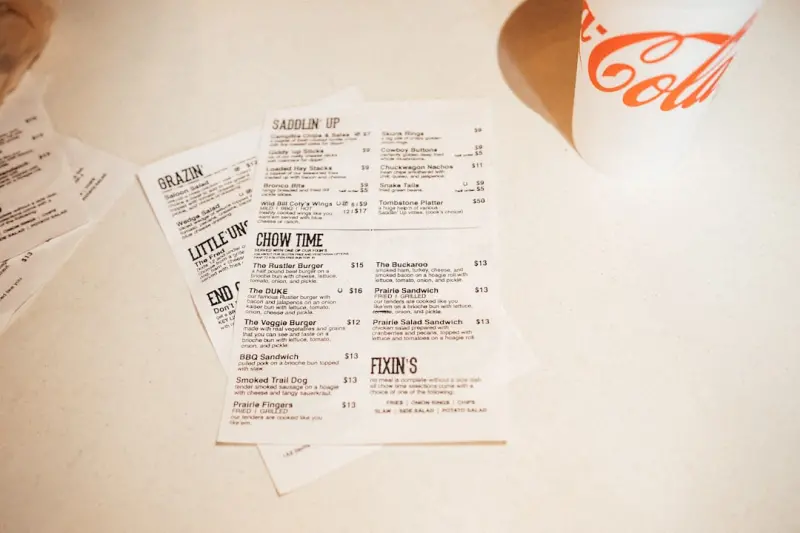
The Power of a Story on the Plate
When I first walked into a downtown bistro that greeted me with a handwritten tale of the chef’s childhood garden, I felt an immediate shift from simply ordering food to joining a narrative. Stories on menus do more than explain ingredients; they create a personal connection that makes each bite feel purposeful. I’ve learned that diners remember the story long after the flavors fade, and that memory becomes the secret ingredient that keeps them coming back.
In my experience, a well‑crafted narrative can transform a routine lunch into a memorable journey, especially when the story aligns with the restaurant’s identity. It’s not about lofty prose but about authenticity—sharing why a dish was born, the tradition it honors, or the unexpected inspiration behind its creation. This approach invites guests to become co‑authors of their own experience, turning a menu into a living, breathing script.
Crafting the Narrative: From Concept to Print
Creating a compelling story starts with listening to the chef’s voice, the farmer’s anecdotes, and the region’s culinary history. I spent hours in kitchens, watching chefs talk about the moment they first sliced a heirloom tomato and how that simple act sparked a new sauce. Those raw, unfiltered moments become the backbone of a menu that feels intimate and genuine.
Once the core narrative is identified, the next step is translating it into concise, engaging copy that fits the menu’s design. I recommend using short, vivid sentences that highlight sensory details—like “the crackle of caramelized onions echoing a Sunday market” —to ignite imagination. Pairing these lines with beautiful photography or hand‑drawn illustrations amplifies the storytelling effect, turning a static page into a visual tale.
Why Storytelling Boosts Sales and Loyalty
Data from restaurants that have implemented narrative menus show a noticeable uptick in average ticket size, as diners are more willing to splurge on dishes that carry a story. I’ve observed that when a guest reads about a rare spice’s journey from a distant farm, they’re more inclined to try it, feeling like a participant in that journey rather than just a consumer. This emotional investment also fosters loyalty, because the experience feels exclusive and personalized.
Moreover, storytelling aligns with modern consumers’ desire for authenticity and purpose. Linking a dish to a cause—such as supporting a community garden—can turn a simple order into an act of advocacy. In my conversations with owners, they often mention that guests proudly share these stories on social media, amplifying word‑of‑mouth marketing in a way that no traditional promotion can match.
Integrating Technology Without Losing the Human Touch
While tech‑infused dining experiences are gaining traction, the human element of a narrative must remain front and center. I’ve seen restaurants cleverly blend QR‑code menus that play short video snippets of the chef describing a dish, merging visual storytelling with the written word. For inspiration, check out Tech‑Infused Dining, which showcases how digital tools can enhance, not replace, authentic narratives.
However, balance is key. Over‑loading a menu with interactive features can dilute the intimate feel of a handwritten story. My favorite approach is a hybrid: a tactile menu with printed anecdotes complemented by optional digital layers for those who crave deeper immersion. This respects both traditional diners and the tech‑savvy crowd, ensuring the story remains accessible and engaging.
From Waste to Wonder: Storytelling in Zero‑Waste Kitchens
One of the most inspiring trends I’ve encountered is the way zero‑waste restaurants weave sustainability narratives into every plate. By highlighting how discarded vegetable stems become a fragrant broth, chefs turn what might be waste into a tale of ingenuity and respect for the planet. This narrative not only educates diners but also reinforces the restaurant’s commitment to responsible sourcing.
For a deeper dive into how these concepts are applied, read Zero‑Waste Restaurants. The article illustrates how storytelling can amplify the impact of sustainable practices, making each bite a conversation starter about environmental stewardship.
Practical Steps for Restaurateurs Ready to Tell Their Tale
- Interview the chef and front‑of‑house staff to uncover unique anecdotes.
- Identify a unifying theme—heritage, seasonality, or a personal mission.
- Draft concise, vivid copy that can be paired with visuals.
- Test the narrative with staff and a small group of regulars for feedback.
- Integrate the story across all touchpoints: menu, website, and social media.
Implementing these steps doesn’t require a massive budget; often, the most compelling stories emerge from everyday moments in the kitchen. My own recommendation is to start small—perhaps with a single “story of the day” special—and gauge guest reactions before expanding the concept across the entire menu.
Measuring Success: Metrics That Matter
To assess the impact of narrative menus, I track three core metrics: average order value, repeat visit frequency, and social media mentions of the story. A rise in any of these indicators typically signals that the narrative resonates with diners. Additionally, qualitative feedback—such as guests commenting on the emotional connection they felt—provides valuable insight that numbers alone can’t capture.
Regularly revisiting these metrics allows restaurants to refine their storytelling approach, ensuring the narrative stays fresh and relevant. It’s a dynamic process, much like the dishes themselves, that evolves with the season, the team, and the ever‑changing palate of the audience.
The Future of Narrative Dining
Looking ahead, I envision a dining landscape where stories are co‑created with guests, perhaps through interactive tabletop tablets that let diners add their own memories to a dish’s evolving narrative. This collaborative storytelling could deepen community bonds and transform each meal into a shared cultural artifact.
Until that day arrives, the simple act of writing a heartfelt story on a menu remains a powerful tool for restaurateurs seeking to differentiate themselves. By turning a plate into a page, we invite diners to savor not just flavors, but the rich tapestry of experiences that make each bite unforgettable.

When it comes to the world of blogging and writing, Rose DesRochers is a name that stands out. Her passion for creating quality content and connecting with her audience has made her a trusted voice in the industry. Aside from her skills as a writer and blogger, Rose is also known for her compassionate nature.
Related Posts
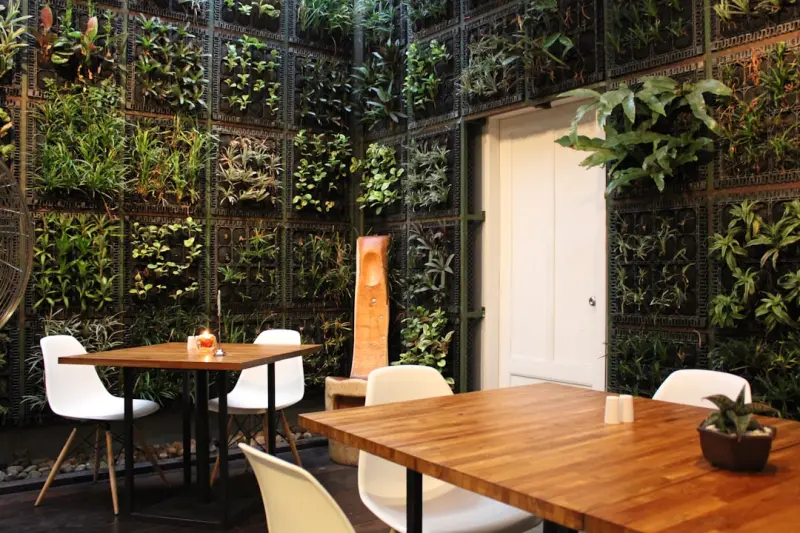
Nature‑Infused Dining: How Biophilic Design Is Transforming Restaurant Experiences
Discover how bringing natural elements into restaurant interiors enhances flavor perception, staff m... Read More

How Sound Shapes the Restaurant Experience
Discover why the right soundtrack and thoughtful acoustics can elevate a meal from ordinary to unfor... Read More
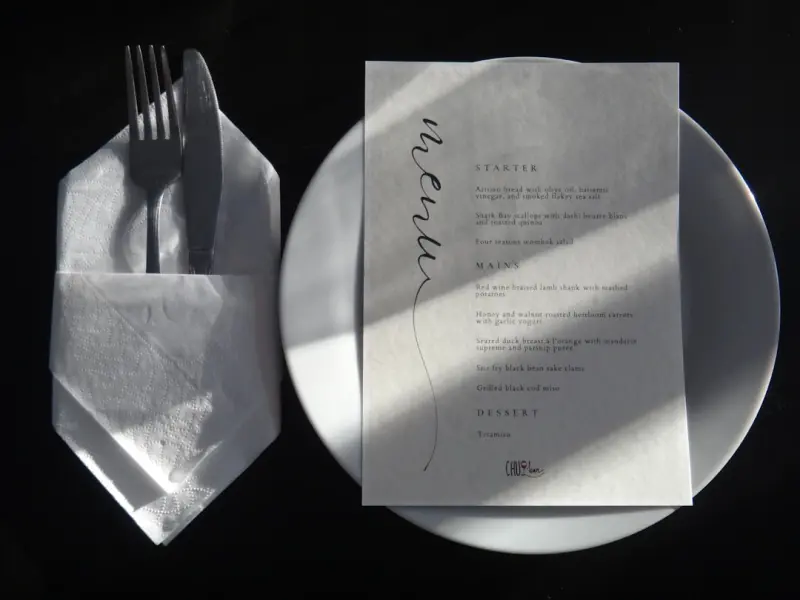
Micro-Seasonal Menus: Dining at the Edge of Harvest
Discover the excitement of micro‑seasonal menus—dishes that exist for just days, linking diners ... Read More
Top Posts
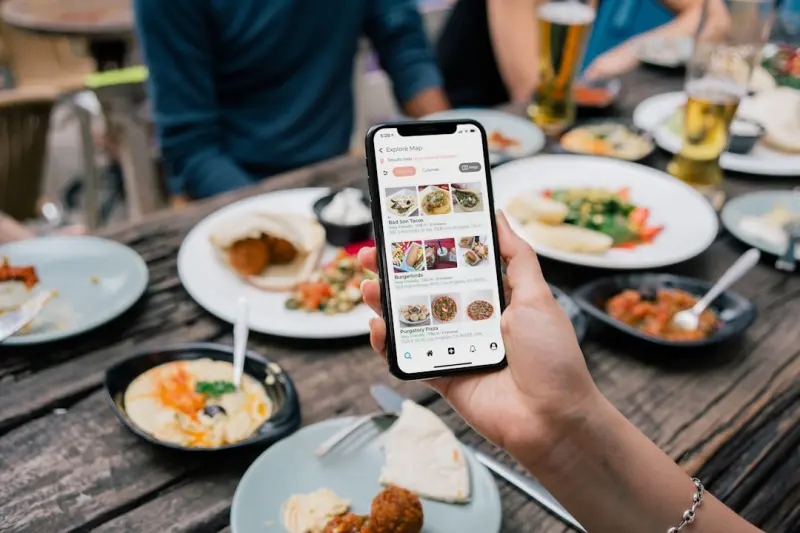
How Restaurants Use Social Media Storytelling to Win Diners Before They Walk In
Restaurants now craft compelling stories on social media, turning digital glimpses into real‑world dining loyalty and higher bookings....Read More
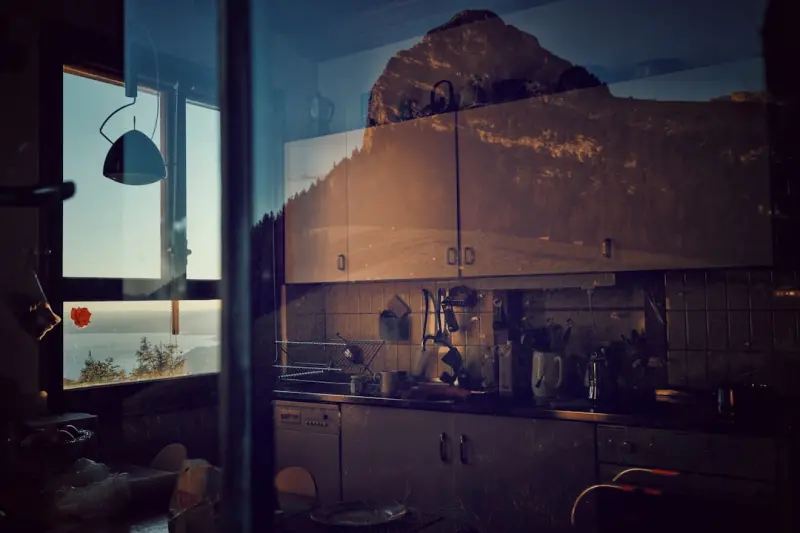
The Hidden Rise of Ghost Kitchens: How Invisible Restaurants Are Redefining Dining
Discover the silent surge of ghost kitchens, the tech behind data‑driven menus, and how diners can shape this invisible dining revolution....Read More
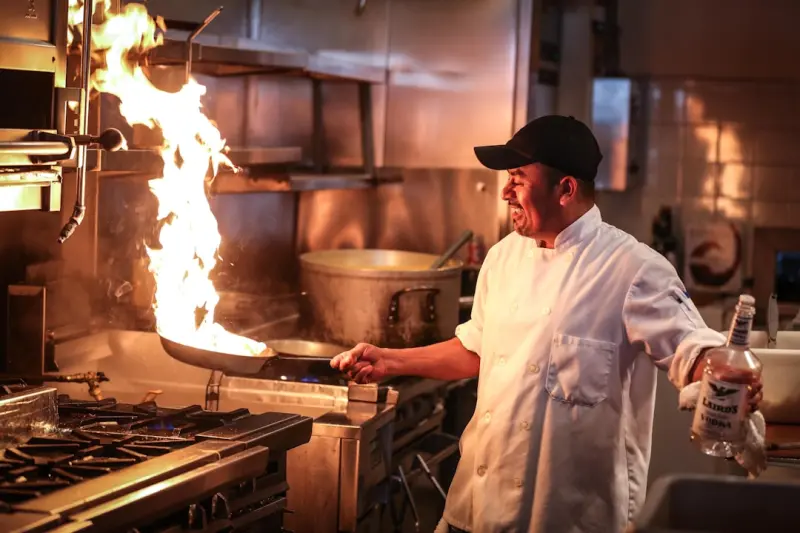
When Chefs Invite Diners to the Kitchen: The Power of Co‑Created Menus
Discover the rising trend of chef‑patron collaborations that turn fine dining into a co‑created experience, blending personal stories with culinary artistry...Read More
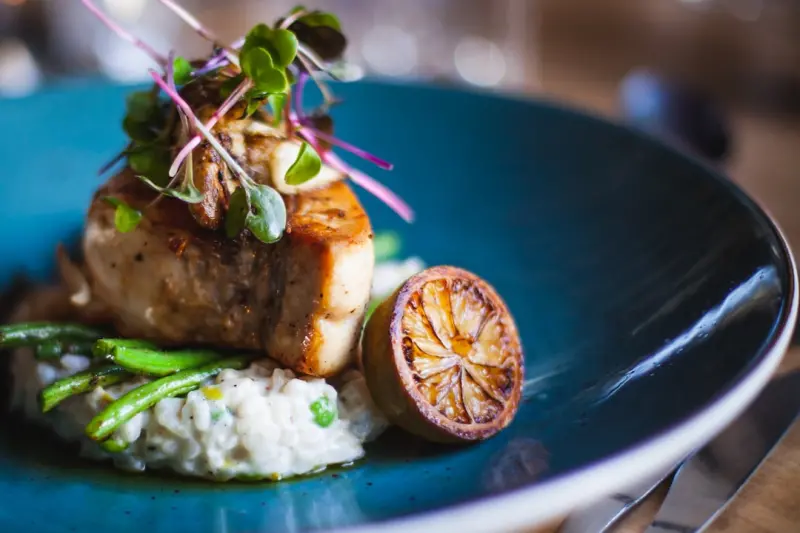
When Fine Dining Becomes a Narrative Journey
Discover how fine dining evolves into a storytelling adventure, where menus, wine pairings, and service become chapters in a memorable culinary narrative....Read More
0 Comments
Post Comment
You will need to Login or Register to comment on this post!