
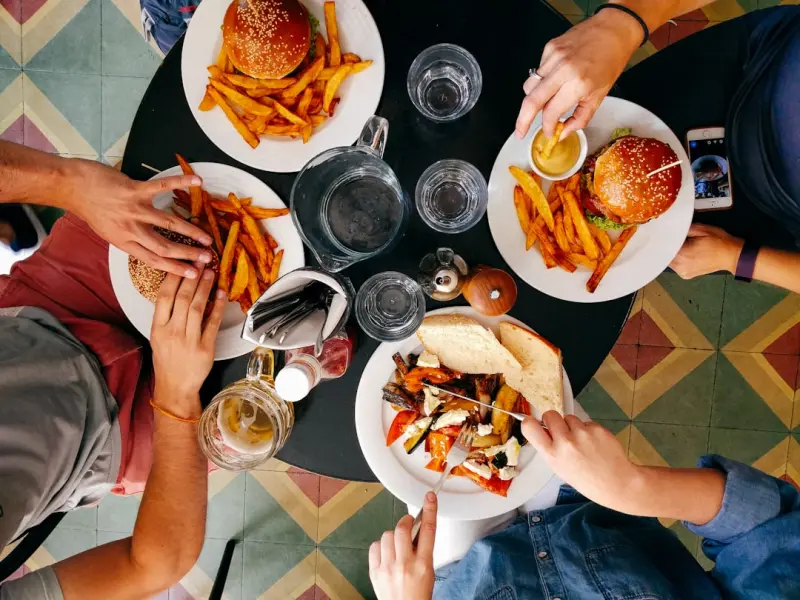
Why Tech Is the New Spice in Fine Dining
Imagine scrolling through a digital menu that not only lists ingredients but also projects a three‑dimensional model of each dish onto your table. That’s the reality in a growing number of tech‑infused restaurants where augmented reality (AR), projection mapping, and robotics transform a simple dinner into an immersive adventure. As diners crave experiences that feel both personal and shareable, chefs are partnering with developers to craft moments that linger far beyond the last bite. This shift isn’t just about flash; it’s a strategic response to a market hungry for novelty, storytelling, and a seamless blend of taste with technology.
Augmented Reality Menus: A New Kind of Menu Exploration
AR menus replace static paper pages with dynamic, interactive overlays that can be viewed through smartphones or tabletop devices. When you point your phone at a menu item, a short animation might show the farm where the lettuce was harvested, the chef’s technique, or even a 360° view of the plated dish. This visual depth turns ordering into a discovery process, letting guests make choices based on more than just description. By layering data on the physical world, restaurants are creating a personalized journey that resonates with today’s digitally native diners.
Projection Mapping: Turning Plates into Mini‑Theaters
Projection mapping uses high‑resolution light to paint images directly onto the surface of a plate, synchronizing visuals with flavors as they arrive. A bite of citrus‑infused seafood might be accompanied by a sunrise over a coastal horizon, while a chocolate dessert could be set against a slow‑moving galaxy. The effect is a multisensory narrative where sight amplifies taste, and the story evolves course by course. Patrons often describe the experience as “watching a performance while eating,” a testament to how visual storytelling can elevate culinary art.
Robotic Service and Kitchen Automation
Beyond visual flair, some restaurants have introduced robots to handle repetitive tasks, freeing human staff to focus on interaction and creativity. Autonomous servers glide across polished floors, delivering plates with precision timing, while robotic arms in the kitchen handle dough kneading or sous‑vide precision. This hybrid model improves consistency, reduces waste, and adds a futuristic charm that many guests find intriguing. The presence of robots also sparks conversation, turning a simple dinner into an unforgettable social media moment.
Spotlight: The AR‑Driven Table at Neon Garden
Located in a bustling downtown district, Neon Garden has built its reputation on an AR‑enhanced tasting menu. Guests receive a sleek tablet at the host stand; tapping an icon launches a holographic garden where each ingredient “grows” before being plated. The restaurant’s chef explains that the technology allows diners to visualize the provenance of every component, deepening appreciation for sustainability. The result is a menu that feels both educational and entertaining, with diners staying engaged from start to finish.
Spotlight: Projection Mapping at Lumière Loft
Lumière Loft takes projection mapping to the next level by synchronizing its lighting system with each course. When the amuse‑bouche arrives, the table darkens and a subtle ripple of light mimics the flavor’s bright acidity. As the main course is presented, a cascading waterfall of amber hues reflects the dish’s smoky undertones. The immersive ambiance encourages guests to pause, observe, and truly savor each element, turning a conventional dinner into a kinetic art exhibit.
Data‑Driven Personalization Meets Visual Innovation
These technological flourishes are most effective when paired with the insights of Data‑Driven Dining. Restaurants collect preferences—spice tolerance, dietary restrictions, even visual preferences—to tailor both the AR experience and the projected visuals. By analyzing guest feedback in real time, chefs can adjust lighting palettes or animation speeds, ensuring that each visit feels uniquely crafted. This marriage of data and design creates a feedback loop where the technology evolves alongside the diner’s palate.
Finding the Most Instagram‑Ready Tech Restaurants
For diners eager to capture and share their high‑tech meals, the Instagram Effect provides a useful compass. Look for establishments advertising “AR menus,” “projection‑enhanced plates,” or “robotic service” on their websites and social feeds. Many of these venues also feature dedicated photo zones or offer built‑in sharing buttons on their tablets, streamlining the process of posting that perfect shot. By following niche food‑tech hashtags, you’ll stay ahead of the curve and discover the hidden gems that are redefining what a night out can look like.
What the Future Holds for Tech‑Infused Dining
As the line between culinary art and digital experience continues to blur, expect even more daring collaborations. Imagine a dinner where AI curates the wine pairing based on facial expression analysis, or a table that adapts its temperature to match the warmth of each dish. The evolution is inevitable, but the core goal remains the same: to make every bite memorable. By embracing these innovations, restaurants are not just serving food—they’re crafting stories that diners can see, feel, and share, ensuring that the memory of a meal lasts long after the plates are cleared.

Becky Putman is an Ottawa-based freelance writer and marketing professional with a passion for storytelling, animals, and community involvement. She enjoys creating engaging content that informs, inspires, and connects with readers.
Related Posts

Becky Putman's Top Picks: The Best Restaurants of 2024 Unveiled
Becky Putman reveals her 2024 restaurant favorites, blending hidden gems with top‑tier venues, and... Read More
Beyond the Plate: How Restaurant Architecture Shapes the Dining Experience
Explore how architecture, lighting, and sound design become key ingredients in unforgettable dining ... Read More
Savoring the Seasons: Top Restaurants that Celebrate Local Harvests
Explore curated eateries that honor local harvests, zero‑waste practices, and community events, tu... Read More
Top Posts
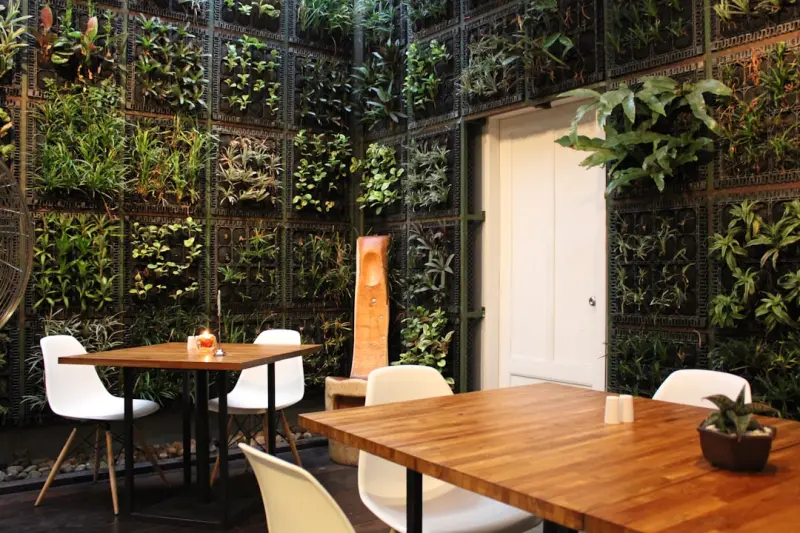
Nature‑Infused Dining: How Biophilic Design Is Transforming Restaurant Experiences
Discover how bringing natural elements into restaurant interiors enhances flavor perception, staff morale, and sustainability, turning every meal into a restora...Read More
Reviving Forgotten Techniques: Heritage Cooking Takes Center Stage in Fine Dining
Chefs are breathing new life into ancient cooking methods, creating a fine‑dining experience that marries history, flavor, and storytelling....Read More
Savoring Stories: How Fine Dining Transforms Meals into Narrative Art
Discover the art of storytelling on a plate, where chefs craft each dish as a chapter, creating immersive fine‑dining experiences that linger long after the m...Read More
Best Restaurants Turning Meals into Stories
Discover restaurants that turn dining into storytelling, offering immersive experiences where every course unfolds like a captivating narrative....Read More
0 Comments
Post Comment
You will need to Login or Register to comment on this post!