
Why Sound Matters at the Table
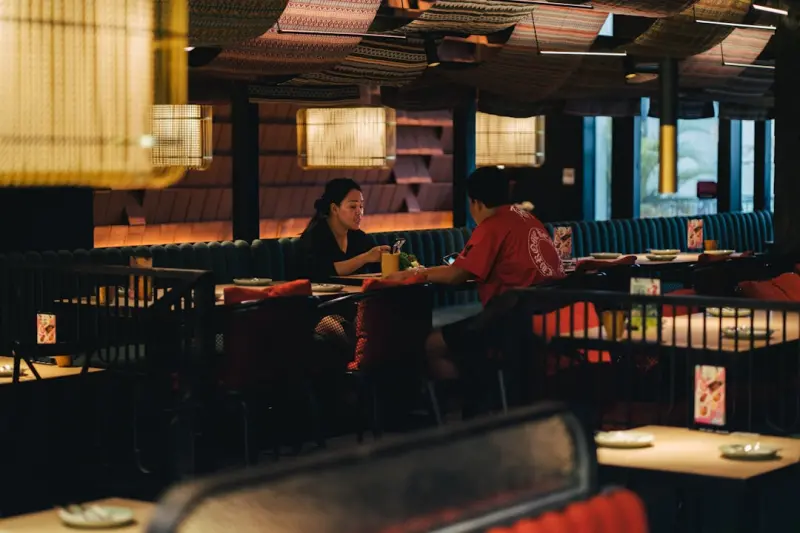
When I first stepped into a dimly lit bistro that hummed with a low‑key jazz trio, I felt an unexpected wave of nostalgia that made the first bite of seared scallop taste like a memory from a summer porch swing. Sound, like seasoning, can elevate or drown a dish, and seasoned restaurateurs have begun to treat playlists as carefully as they would a sauce reduction. In my own dining adventures, the subtle rhythm of a piano melody can coax the palate to linger, while a clamor of mismatched playlists often sends flavors into a chaotic scramble that no garnish can rescue.
The Science Behind Sonic Pairing
Recent research from culinary psychologists shows that low‑frequency tones can enhance perceived sweetness, while higher pitches may accentuate acidity, creating a measurable synergy between ear and tongue. The brain’s gustatory cortex lights up in tandem with auditory pathways, meaning a well‑chosen song can actually make a lemon‑y risotto feel smoother, as if a velvet curtain were drawn over its sharp edge. This isn’t just anecdotal; controlled experiments with blind taste tests reveal that diners report a 12‑percent increase in satisfaction when the music’s tempo matches the dish’s texture.
Curating Playlists: From Jazz to Ambient
Crafting a sonic menu starts with understanding the restaurant’s identity: a coastal eatery might lean into breezy acoustic folk, while a sleek urban steakhouse could favor deep house beats that echo the rhythm of a bustling city. I’ve learned that the tempo, key, and lyrical content should mirror the course progression—slow, melodic ballads for appetizers that invite contemplation, then a gentle crescendo as the main course arrives, followed by a calm, instrumental close for dessert. The goal is not to drown conversation but to weave a subtle backdrop that nudges the senses in harmony with each plate.
Case Studies: Restaurants That Got It Right
One standout example is a rooftop garden restaurant in the Pacific Northwest that partners with local musicians to compose original tracks inspired by seasonal produce; the result is a menu where each dish is paired with a bespoke acoustic piece that mirrors its flavor profile. Another success story comes from a high‑end sushi bar that employs a minimalist soundscape—soft water sounds and distant temple bells—to reinforce the clean, precise nature of their fish preparations. Their approach demonstrates that intentional audio design can become a signature element, much like a chef’s secret spice blend. For further inspiration, check out Snap‑Worthy Bites, which explores visual storytelling that often pairs beautifully with sonic storytelling.
Designing Acoustic Spaces Without Noise Pollution
Acoustic engineering goes beyond playlists; it involves controlling reverberation, ambient chatter, and even the hum of kitchen equipment. Soft, sound‑absorbing materials—think reclaimed wood panels, upholstered booths, and cork flooring—can tame excessive echo, allowing the music to sit comfortably without competing with clinking glasses. I’ve noticed that restaurants that invest in hidden speaker placements and directional sound zones create pockets where diners can enjoy an intimate musical experience, while the rest of the floor remains lively enough for social interaction.
Guest Stories: How a Song Turned a Meal Memorable
One evening, a couple celebrating their anniversary shared that a vintage bossa‑nova track playing as their dessert arrived made the molten chocolate lava cake feel like a slow‑dance under a moonlit sky, etching the moment into their personal history. Another patron recounted that an unexpected burst of upbeat indie folk during a brunch buffet sparked spontaneous laughter, turning a routine outing into a spontaneous celebration that lingered long after the check was paid. These anecdotes underscore that a single well‑timed song can transform a meal into a story worth retelling.
Practical Tips for Restaurateurs
Start by mapping your menu to emotional beats: identify which dishes are bold, which are comforting, and choose corresponding musical moods. Use streaming services that allow you to create private playlists and schedule them to align with service rhythms—perhaps a mellow set for the early dinner rush, then a more energetic lineup as the night progresses. It’s also wise to gather real‑time feedback through QR‑code surveys that ask diners how the music affected their experience; the data can guide future adjustments. For a deeper dive into collaborative dining concepts, explore Collective Dining for inspiration on community‑driven innovation.
Future Trends: AI‑Generated Soundtracks
Emerging AI tools now analyze menu descriptions, ingredient palettes, and even chef personalities to generate custom soundtracks that evolve in real time as dishes are served. Imagine a system that detects the sizzle of a grill and subtly introduces a low‑drum rhythm that syncs with the cooking tempo, creating a multisensory symphony that diners can feel as much as hear. While still in its infancy, this technology promises a future where every table enjoys a uniquely curated auditory experience that feels as bespoke as a tasting menu.
Balancing Tradition and Innovation
While high‑tech solutions are exciting, many timeless establishments find success by simply honoring local musical heritage—playing folk songs from the region or inviting live acoustic performers on select nights. This blend of old and new respects the restaurant’s roots while inviting guests into a fresh, immersive journey. The key is to keep the music as a supportive layer, never letting it dominate the conversation or the cuisine, but rather allowing it to act as an invisible sous‑chef that subtly guides the palate.
Final Bite: Listening to the Plate
In the end, the most memorable meals are those that engage all senses, and sound is the final missing piece of the puzzle many chefs overlook. By treating music with the same reverence as flavor, texture, and aroma, restaurateurs can craft experiences that linger in diners’ minds long after the plates are cleared. So the next time you walk into a restaurant, close your eyes for a moment, let the melody wash over you, and discover how a well‑chosen tune can make the simple act of eating feel like a beautifully orchestrated performance.

Becky Putman is an Ottawa-based freelance writer and marketing professional with a passion for storytelling, animals, and community involvement. She enjoys creating engaging content that informs, inspires, and connects with readers.
Related Posts

The Secret Narrative Behind Every Fine‑Dining Plate
Explore the art of narrative dining, where chefs, ambience, and service collaborate to turn each cou... Read More
What Makes a Good Restaurant Good: A Symphony of Elements
In the world of dining out, a restaurant’s success hinges on more than just the food on the plate.... Read More

AI on the Plate: How Smart Tech is Personalizing Your Restaurant Experience
Discover how AI is reshaping restaurants—from smart reservations and personalized menus to kitchen... Read More
Top Posts

AI‑Powered Personalization: How Restaurants Tailor Menus to Every Palate
Explore the rise of AI-driven menu personalization, its benefits for diners and kitchens, and the future of tech‑enhanced hospitality....Read More
Fine Dining Reimagined: Becky Putman's 2024 Flavor Expedition
Becky Putman dives into 2024's fine‑dining scene, revealing hidden gems, flavor‑first philosophies, and how storytelling reshapes every unforgettable plate....Read More

Dining Without Barriers: How Inclusive Design Defines the Best Restaurants
Discover why inclusive design, adaptive menus, and staff training are the new benchmarks that elevate restaurants into truly welcoming experiences for all diner...Read More

The Narrative Plate: How Fine Dining Transforms a Meal into a Story
Explore the art of fine‑dining storytelling, where every dish, wine, and setting becomes a chapter in a memorable culinary narrative....Read More
0 Comments
Post Comment
You will need to Login or Register to comment on this post!