
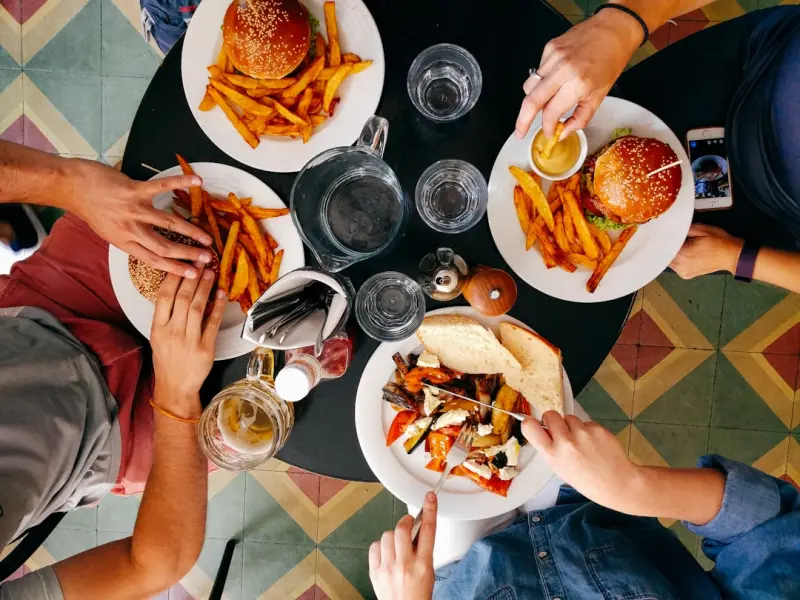
Why I See a Restaurant Like a Bookstore
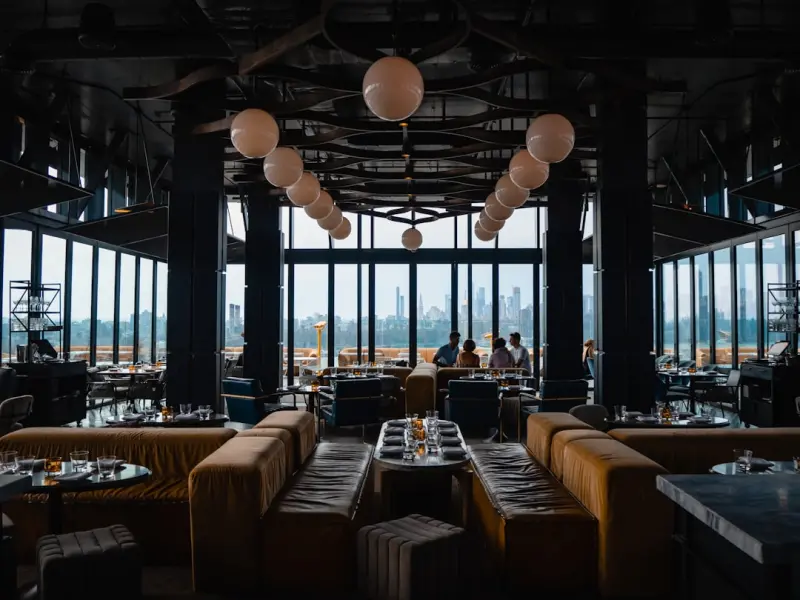
Every time I step through a restaurant’s doorway, I’m looking for more than a menu; I’m hunting for a plot, a character arc, and a climax that will linger long after the last bite. The ambience, the lighting, even the cadence of the waitstaff become chapters in a story that unfolds on the table, and I treat each reservation as a literary pilgrimage. This perspective lets me taste nuance in a way that transforms a simple dinner into an unforgettable narrative experience.
From Fork to Fiction: The Anatomy of a Narrative Meal
When a chef designs a dish, they are essentially drafting a scene, selecting props—ingredients, textures, colors—to convey emotion and tension, much like an author chooses words and setting to evoke mood. A perfectly timed amuse‑bouche can serve as an expository hook, while a slow‑cooked entree builds suspense, leading to a dessert that delivers the satisfying resolution. For a deeper dive into this concept, check out When a Meal Becomes a Narrative Adventure, which explores how culinary storytelling mirrors classic plot structures.
My Personal Quest for Storytelling Restaurants
Over the past few years I’ve mapped the city’s dining scene like a treasure hunt, marking each venue that feels like a novel waiting to be read aloud with forks and knives. From dimly lit speakeasies that whisper secret histories to open‑kitchen bistros where chefs perform a theatrical choreography, each experience adds a new chapter to my personal anthology of meals. The thrill of discovering a place that can turn a palate into a protagonist keeps my appetite for exploration insatiable.
The Role of Service as Narrative Voice
Just as a narrator guides a reader through twists and turns, attentive service steers diners through the rhythm of a meal, offering context, foreshadowing, and occasional surprise. A server who explains the provenance of a locally foraged mushroom or the inspiration behind a plating technique adds layers of meaning, turning a mere bite into a moment of revelation. This dialogue between kitchen and table is the invisible thread that weaves the story together.
Restaurants That Write Their Own Stories
Some establishments have mastered the art of culinary storytelling so completely that the experience feels like stepping onto a stage. The Best Restaurants That Turn Meals Into Unforgettable Stories showcases venues where menus read like poetry, and each course is a stanza that builds toward a crescendo of flavor. Whether it’s a tasting menu that mirrors a hero’s journey or a themed pop‑up that recreates a historic era, these places prove that food can be both nourishment and narrative.
Crafting a Plot Through Plating
Plating is the visual foreword to the story that will unfold on the tongue, and chefs treat the plate like a canvas, using composition, color contrast, and negative space to hint at what’s to come. A splash of bright sauce might signal an upcoming burst of acidity, while a delicate garnish can foreshadow a subtle aromatic finish. By aligning visual cues with taste, the diner is primed to interpret each bite as part of a larger, cohesive tale.
Engaging All Senses: The Multi‑Sensory Narrative
True storytelling in dining engages sight, sound, smell, touch, and taste, creating an immersive experience that mirrors the depth of a well‑written novel. The clink of crystal, the scent of smoked rosemary, the tactile contrast between crispy skin and silky broth—all these elements act as sensory metaphors, enriching the plot and deepening emotional resonance. When a chef synchronizes these cues, the result is a symphony that echoes in memory long after the final course.
The Future of Narrative Dining
As technology and culinary art continue to intersect, we’re seeing menus that adapt in real time, interactive tables that project storyboards, and AI‑generated flavor pairings that write their own chapters. These innovations promise to make the dining experience even more personalized, allowing each guest to co‑author their own story while still respecting the chef’s overarching narrative. The rise of such dynamic storytelling will likely redefine what we consider “fine dining” in the years ahead.
Closing Thoughts: Every Meal Is a Story Worth Telling
When I leave a restaurant, I don’t just carry a satisfied stomach; I carry a tale that I’ll recount to friends, write about in my journal, and revisit in my mind’s eye. Recognizing meals as narrative adventures transforms ordinary evenings into moments of artistic discovery, and it invites us all to become both readers and writers of our own culinary chapters. So the next time you make a reservation, ask yourself: what story am I about to taste?

Becky Putman is an Ottawa-based freelance writer and marketing professional with a passion for storytelling, animals, and community involvement. She enjoys creating engaging content that informs, inspires, and connects with readers.
Related Posts
Data‑Driven Dining: How Restaurants Personalize Every Bite
Restaurants are turning data into delicious personalization, from smart reservations to AI‑crafted... Read More

Becky Putman's Insider Take on the 2024 Restaurant Renaissance
Becky Putman shares her insider view of the 2024 restaurant renaissance, highlighting flavor‑first... Read More
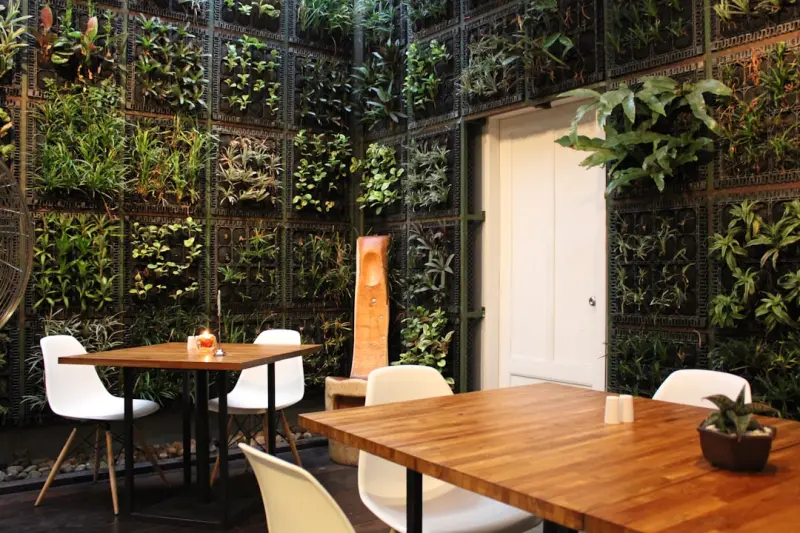
Nature‑Infused Dining: How Biophilic Design Is Transforming Restaurant Experiences
Discover how bringing natural elements into restaurant interiors enhances flavor perception, staff m... Read More
Top Posts

Beyond Taste: How Sound, Scent, and Touch Are Redefining Fine Dining
Discover the rise of multi‑sensory fine dining, where curated sound, scent, and texture elevate every bite into a memorable, immersive experience....Read More
The Restaurant Renaissance: Becky Putman's 2024 Flavor-First Exploration
Becky Putman reveals how 2024’s restaurant scene shifts to flavor-first, community-driven dining, spotlighting hidden gems and future classics....Read More

When the Plate Becomes a Stage: The Rise of Culinary Theater
Fine dining is evolving into a stage where chefs perform, tableware acts, and technology dazzles, turning each meal into an unforgettable theatrical story....Read More
The Rise of Multi‑Sensory Dining: How Fine Restaurants Are Engaging All Your Senses
Fine dining is moving beyond flavor, embracing sound, scent, lighting, and texture to craft immersive meals that engage every sense and redefine the restaurant ...Read More
0 Comments
Post Comment
You will need to Login or Register to comment on this post!