

The Art of Culinary Storytelling
When I first stepped into a dimly lit bistro that whispered tales of a seaside village, I realized that a meal can be far more than sustenance—it can be a narrative that lingers long after the last bite. Storytelling on the plate transforms ordinary dining into an immersive experience, inviting guests to become protagonists in a culinary adventure. This shift from pure flavor to emotional resonance is reshaping how chefs conceive their menus, turning each course into a chapter that beckons curiosity and connection. The result is a dining moment that feels personal, memorable, and, most importantly, worth sharing.
Why Narrative Menus Capture Hearts
Humans are wired for stories; we remember a plot better than a list of ingredients. By framing a menu as a cohesive tale, restaurants tap into that innate desire to be part of something larger, turning a simple dinner into a shared memory. When diners understand the “why” behind each dish—whether it’s a family heirloom recipe or a tribute to a forgotten local legend—they engage more deeply, often feeling a sense of responsibility to honor the story. This emotional investment not only elevates satisfaction but also fuels word‑of‑mouth buzz that no traditional marketing can match.
The Chef as Author: Crafting Chapters
In the narrative kitchen, the chef assumes the role of author, meticulously plotting each course to build tension, climax, and resolution. Just as a novelist selects pacing, a chef decides the order of flavors: a bright amuse‑bouche opens the story, a robust entrée raises the stakes, and a delicate dessert delivers the satisfying denouement. This deliberate structure demands foresight—ingredients must harmonize not only within a plate but across the entire dining arc. The result is a seamless journey where every bite feels purposeful, guiding guests toward an unforgettable finale.
Designing the Menu as a Book
Presentation is the cover that invites readers inside; a thoughtfully designed menu can set the tone before the first course arrives. Elegant typography, subtle illustrations, and concise prose can all hint at the story’s setting, whether it’s a bustling market street or a quiet mountain meadow. By pairing visual cues with descriptive language, restaurants create anticipation, encouraging diners to linger over each description and imagine the flavors to come. A well‑crafted menu becomes a tactile prelude, inviting guests to turn pages with the same excitement they feel when opening a beloved novel.
Weaving Local Lore and Ingredients
Authentic storytelling draws heavily from place, using regional myths, history, and seasonal produce as its foundation. When a chef incorporates a centuries‑old grain harvested from nearby fields or references a legend of a river spirit, the dish becomes a living link to the community’s heritage. This connection not only supports local farmers but also gives diners a sense of belonging, as if they’re part of a shared cultural tapestry. By grounding each plate in genuine context, restaurants transform meals into cultural artifacts that celebrate both flavor and folklore.
Examples That Inspire
Consider the downtown eatery that structures its tasting menu around the four seasons of a historic garden, each course named after a specific bloom and paired with a story of the garden’s founding family. Or the coastal tavern that tells the saga of a shipwreck through a progression of sea‑salted dishes, culminating in a dessert that symbolizes the sunrise over the wreck’s remains. These narrative approaches demonstrate how imagination and authenticity can coexist, delivering experiences that are both inventive and rooted in real tradition. For deeper insight into how restaurants turn rewards into experiences, see loyalty programs turned into experiences.
Challenges and Pitfalls to Avoid
While narrative menus enchant, they also risk becoming pretentious if the story outweighs the food. A compelling tale must never excuse a subpar dish; flavor remains the cornerstone of any successful restaurant. Additionally, overly complex narratives can confuse diners, especially those unfamiliar with local references. Chefs must strike a balance, ensuring the story enhances rather than overshadows the culinary craft. Consistency across service staff is also crucial—waiters need to convey the narrative with authenticity, requiring thorough training and genuine enthusiasm.
Future Trends: Tech Meets Story
Emerging technologies are poised to deepen the storytelling experience, allowing diners to explore narratives through interactive tablets, augmented reality, or even personalized AI‑generated tales that adapt to individual preferences. Imagine scanning a QR code to watch a short video of the farmer who grew your greens, or receiving a bespoke story that reflects your dietary choices. Such innovations promise to make narrative dining more immersive without sacrificing the human touch. For a glimpse of how smart tech is already personalizing restaurant experiences, explore AI on the plate.
Embracing the Storytelling Revolution
In a world saturated with fleeting trends, the power of a well‑told culinary story offers lasting resonance. By inviting guests to become part of a larger narrative, restaurants forge deeper emotional bonds, encouraging repeat visits and enthusiastic recommendations. For chefs willing to step into the role of storyteller, the payoff is a dining experience that transcends taste, leaving a lingering imprint on the heart as well as the palate. As the industry continues to evolve, those who master the art of narrative will not only feed bodies but also feed souls.

When it comes to the world of blogging and writing, Rose DesRochers is a name that stands out. Her passion for creating quality content and connecting with her audience has made her a trusted voice in the industry. Aside from her skills as a writer and blogger, Rose is also known for her compassionate nature.
Related Posts
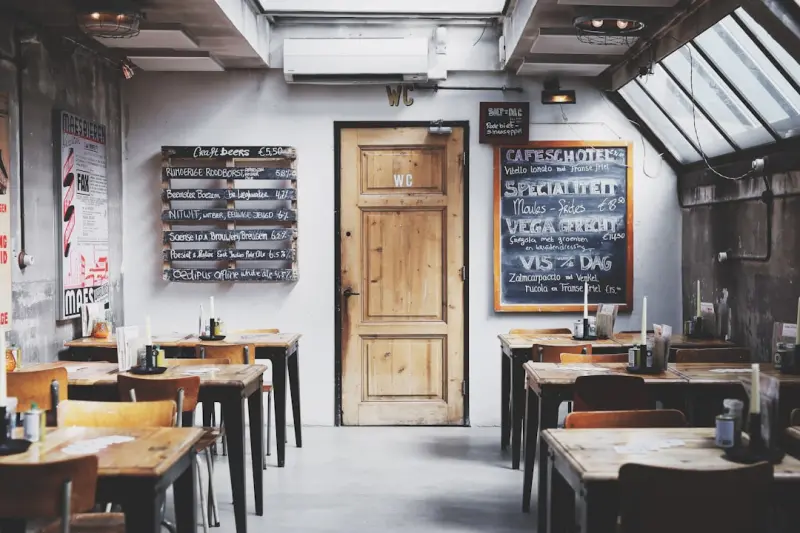
Fermentation‑Focused Restaurants: The Quiet Revolution Changing Your Plate
Discover how fermentation‑focused restaurants are reshaping dining with probiotic‑rich dishes, s... Read More
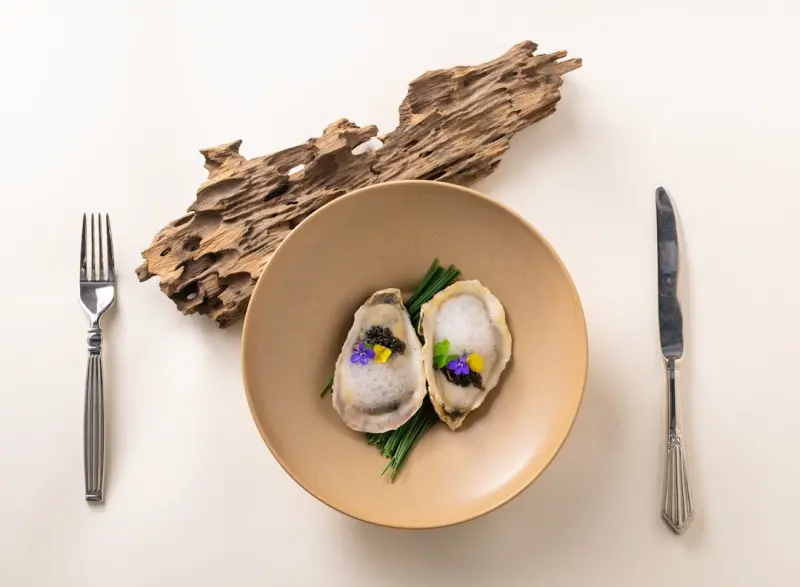
The Art of Dining: How Restaurants Turn Meals Into Stories
Discover why today’s dining scene feels like storytelling, with chefs designing menus that read li... Read More

From Points to Experiences: How Modern Loyalty Programs Are Redefining Restaurant Relationships
Explore the evolution of restaurant loyalty—from simple point cards to immersive experiences, comm... Read More
Top Posts

The Evolution of Fine Dining: A Personal Perspective
The world of fine dining has undergone significant changes in recent years. From sustainability and locally sourced ingredients to technology and innovation, ex...Read More
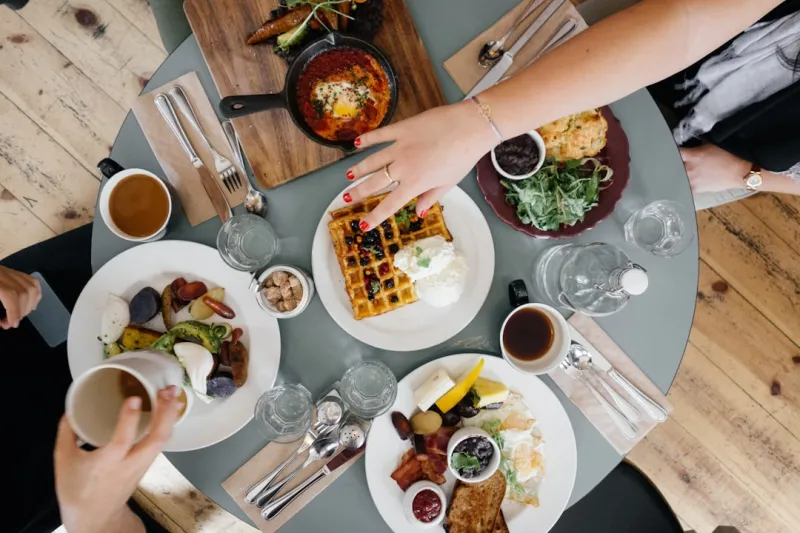
Finding the Best Restaurants That Turn Meals Into Stories
Discover how the finest eateries weave storytelling into every plate, turning meals into memorable journeys that feed both the palate and the soul....Read More
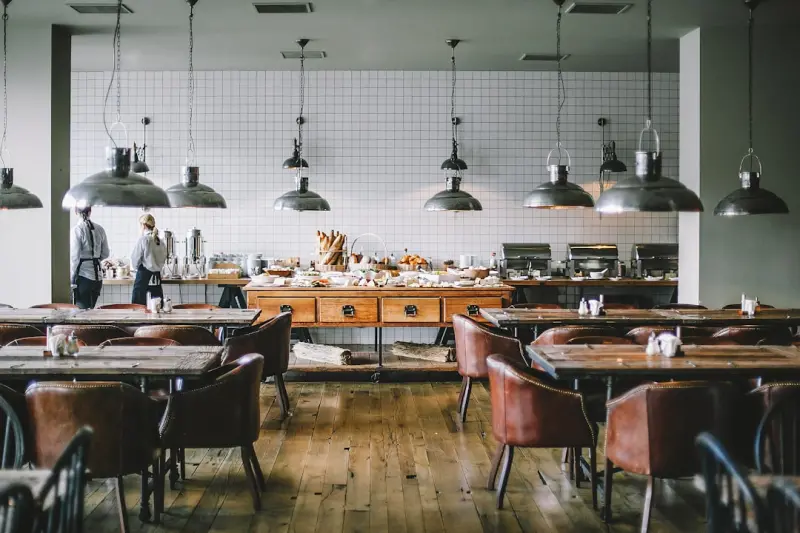
The Allure of Pop‑Up Restaurants: Why Temporary Kitchens Are Worth the Hunt
Explore the excitement of pop‑up restaurants—temporary venues that deliver experimental menus, unique settings, and unforgettable dining stories you won’t...Read More

Diners Turned Chefs: The Collaborative Kitchen Trend
Restaurants are breaking the kitchen door, letting diners help design the menu. This collaborative approach turns meals into shared adventures, deepening loyalt...Read More
0 Comments
Post Comment
You will need to Login or Register to comment on this post!