
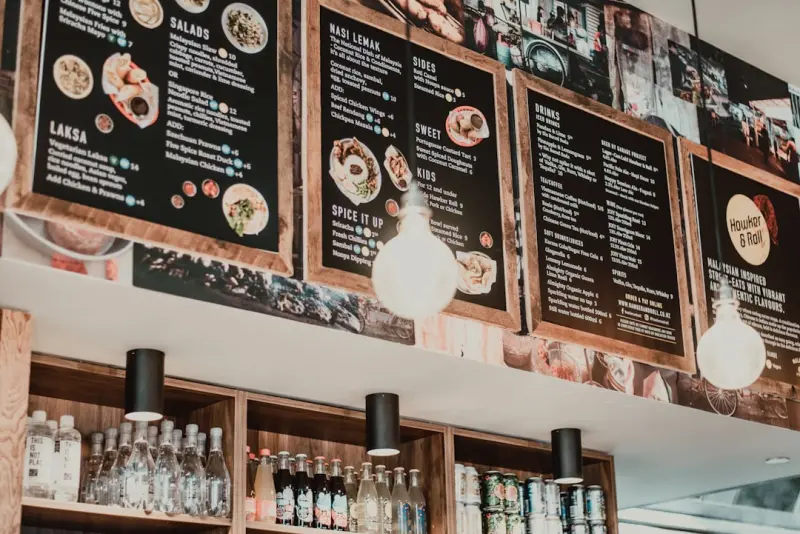
Why AI Is the New Front‑of‑House Concierge
Imagine walking into a restaurant and seeing a menu that already knows you love smoky‑sweet notes but hates anything too spicy; that instant recognition feels like a personal concierge greeting you by name, and it’s no longer a fantasy thanks to artificial intelligence. Machine‑learning models now sift through thousands of past orders, dietary restrictions, and even seasonal ingredient availability to predict the dishes that will most delight each guest. This shift from static, one‑size‑fits‑all menus to hyper‑personalized culinary roadmaps is reshaping the dining experience in ways that feel intimate yet technologically sophisticated.
Collecting the Right Data Without Overstepping
Restaurants are tapping into reservation platforms, point‑of‑sale systems, and loyalty apps to gather the breadcrumbs needed for AI to work its magic, but the key is asking the right questions at the right moments. By encouraging diners to tick off flavor profiles, preferred protein sources, and even mood descriptors during online booking, establishments build a nuanced palate fingerprint that respects privacy while delivering relevance. The challenge lies in balancing data richness with consent, a dance that can be mastered by transparent opt‑in prompts and clear explanations of how the information enhances each visit.
Dynamic Menus Powered by Real‑Time Algorithms
Once the data foundation is set, AI engines churn out menu variations on the fly, swapping out ingredients based on supply chain fluctuations, weather patterns, and the collective taste trends of the day’s guests. A dish that once featured heirloom tomatoes might be replaced with a vibrant beet puree when the market’s harvest peaks, ensuring every plate is both fresh and aligned with the diners’ inferred cravings. This fluid approach turns the menu into a living document, constantly evolving to deliver novelty without sacrificing consistency.
Case Study: A Mid‑City Bistro’s Leap Into Personalization
When a beloved mid‑city bistro integrated an AI‑driven recommendation engine, the average check rose by 18 % within three months, and repeat reservations jumped dramatically. The system highlighted a “spice‑balanced” version of the chef’s signature seafood risotto for guests who previously avoided heat, while offering a plant‑forward alternative for vegans who loved earthy textures. The bistro’s success story, detailed in The Secret Systems That Make a Restaurant Truly Great, illustrates how subtle algorithmic nudges can translate into tangible revenue growth.
Elevating the Guest Journey: From Preference to Delight
For diners, the payoff is immediate: no more scanning endless menu pages for a suitable option, no more awkward conversations about allergies, and a feeling that the kitchen truly “gets” them. Personalized suggestions also open doors to adventurous pairings that guests might have missed, like a citrus‑infused sorbet that perfectly caps a rich lamb stew. By aligning each plate with the guest’s unique flavor map, restaurants turn a meal into a memorable narrative rather than a routine transaction.
Operational Upsides: Reducing Waste and Boosting Margins
From the kitchen’s perspective, AI‑curated menus mean better forecasting of ingredient usage, which directly cuts food waste and trims inventory costs. When the system predicts a surge in demand for a particular cut of meat, chefs can prep just enough, avoiding overproduction that leads to spoilage. Moreover, by highlighting high‑margin items that match a guest’s profile, restaurants can subtly steer orders toward dishes that bolster profitability without compromising satisfaction.
Challenges on the Road to Full Integration
Despite its promise, the AI rollout is not without hurdles; legacy POS systems often lack the openness needed for seamless data exchange, and staff may feel threatened by a perceived “algorithmic takeover.” Training front‑of‑house teams to trust and interpret AI recommendations is essential, as is establishing robust cybersecurity measures to protect guest data. Addressing these concerns head‑on, with clear communication and incremental implementation, paves the way for smoother adoption.
Future Horizons: Voice‑First Ordering and Augmented Reality
Looking ahead, voice assistants embedded in table tablets could let diners verbally express cravings, while AI instantly translates those cues into menu options, creating a frictionless ordering flow. Augmented reality overlays might one day display ingredient origins and flavor notes directly on the plate, merging visual storytelling with algorithmic personalization. As these technologies converge, the restaurant of tomorrow will feel like a collaborative stage where chefs, guests, and intelligent systems co‑create the perfect bite.
Embracing the Personalized Era
Adopting AI isn’t about replacing the human touch; it’s about amplifying it, giving chefs richer insight and diners a sense of being truly seen. Restaurants that invest wisely in data ethics, staff training, and flexible tech stacks will find themselves at the forefront of a movement that redefines hospitality as a bespoke, data‑enhanced art form. The invitation is clear: step into the future, let the algorithm learn your palate, and watch your culinary world expand in delicious, unexpected ways.

When it comes to the world of blogging and writing, Rose DesRochers is a name that stands out. Her passion for creating quality content and connecting with her audience has made her a trusted voice in the industry. Aside from her skills as a writer and blogger, Rose is also known for her compassionate nature.
Related Posts
Why Restaurant Lighting and Design Matter More Than You Think
Explore the hidden power of restaurant lighting, sound, and design, and learn practical tips to enha... Read More
The Art of Dining: How Restaurants Turn Meals Into Stories
Discover why today’s dining scene feels like storytelling, with chefs designing menus that read li... Read More
The 2024 Restaurant Renaissance: Becky Putman's Flavor‑First Exploration
Becky Putman reveals the 2024 restaurant renaissance, highlighting flavor‑first trends, top picks,... Read More
Top Posts
When Fine Dining Becomes a Storytelling Journey
Discover the rise of narrative cuisine, where chefs act as authors and each course unfolds like a chapter, turning fine dining into a captivating storytelling f...Read More

The Best Restaurants of 2024: Becky Putman's Flavor‑First Exploration
Becky Putman reveals the 2024 best restaurants, from narrative menus and tech‑driven tables to hidden regional gems, all through her flavor‑first lens....Read More

Hidden Gems: The Ultimate Guide to Restaurants That Wow Your Palate
Discover hidden‑gem eateries that surprise with creative cocktails, seasonal dishes, and genuine hospitality—perfect for food lovers seeking fresh, unforget...Read More

Becky Putman's Insider Take on the 2024 Restaurant Renaissance
Becky Putman shares her insider view of the 2024 restaurant renaissance, highlighting flavor‑first trends, sustainable sourcing, tech‑enhanced dining, and m...Read More
0 Comments
Post Comment
You will need to Login or Register to comment on this post!