
Why Hyper‑Local Sourcing Is the New Compass for Food Lovers
When I first stepped into a tiny bistro tucked behind a bustling farmer’s market, I felt the unmistakable pull of a cuisine that was not only cooked but also cultivated on the same block—an experience that instantly redefined my expectations of what a “best restaurant” could mean. Hyper‑local sourcing goes beyond the buzzword of farm‑to‑table; it is a deliberate choreography where chefs, growers, and city planners synchronize harvest cycles, soil health, and even rain patterns to deliver a menu that changes with the sunrise and the season’s mood. In practice, this means a carrot harvested at dawn might appear on a plate at lunch, its flavor still echoing the early‑morning dew, and diners become participants in a story that begins in the soil and ends with a forkful of vibrancy.
The Seasonal Symphony: Menus That Evolve Like a Living Playlist
Imagine walking into a restaurant where the menu is not a static PDF but a living playlist, each track composed from the freshest produce arriving that day, the mood of the city, and the chef’s curiosity about a new herb sprouting in a rooftop garden; that is the reality of the best establishments that champion seasonal rotation. I’ve sat through evenings where the starter was a crisp radish salad sourced from a community garden that opened its beds just weeks prior, followed by a main course of river trout that was caught at dawn and glazed with a reduction of locally foraged sorrel, all while the dessert featured a honey drizzle from beekeepers who tend hives on the same street as the restaurant’s kitchen. This rhythm of renewal not only keeps the palate excited but also builds a deep, trust‑filled relationship between diners and the people who nurture each ingredient from seed to plate.
Farm‑to‑Table Networks: The Invisible Web Connecting City and Soil
Behind every hyper‑local plate lies an intricate network of farms, cooperatives, and micro‑greenhouses that operate like a silent orchestra, each player knowing precisely when to sow, harvest, and deliver, often within a matter of hours; understanding this network has become my secret map to uncovering the most authentic culinary experiences. I have learned to follow the breadcrumbs of weekly farmer’s market schedules, local CSAs, and even urban beekeeping newsletters, because when a chef tells you that a vegetable is “just pulled from the neighbor’s plot,” you can almost hear the earth’s whisper in the crisp bite. These relationships are not merely transactional—they are collaborative experiments where chefs suggest new varieties, farmers adjust growing techniques, and together they push the boundaries of flavor, creating dishes that are as much a product of shared innovation as they are of tradition.
Designing Spaces That Celebrate the Journey From Soil to Plate
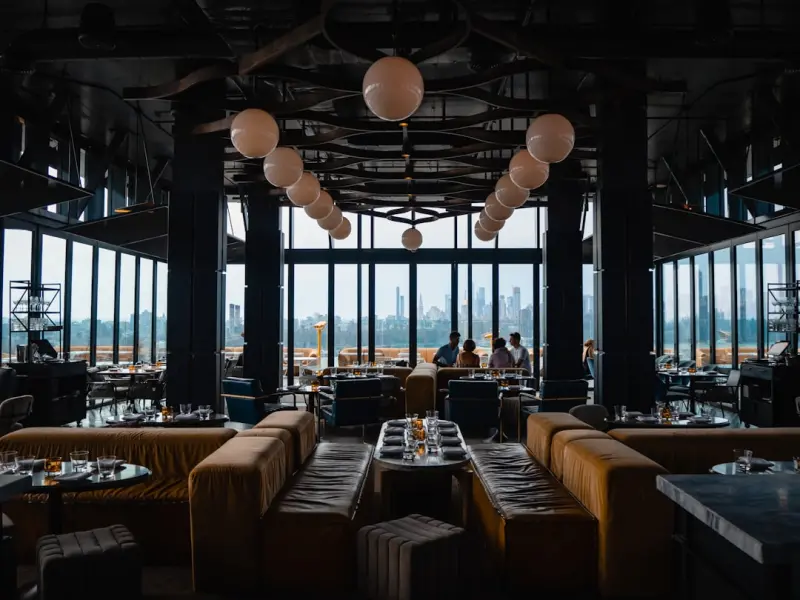
The physical layout of a restaurant can either highlight or hide the story of its ingredients, and the best venues I’ve visited make that journey visible, inviting diners to witness the provenance of each component. Open‑kitchen concepts allow you to watch a farmer‑grown heirloom tomato tumble from the basket onto a cutting board, while glass‑walled herb gardens let you smell basil and thyme before they even touch your plate; this transparency turns a meal into an educational adventure. Some spaces even incorporate communal tables that echo the spirit of shared harvests, reminding guests that the act of eating is inherently social—a subtle nod to the community tables movement that reinforces the idea that food, like conversation, thrives in collective settings.
Inclusive Dining: When Hyper‑Local Meets Universal Accessibility
One of the most rewarding aspects of exploring hyper‑local restaurants is discovering how many of them are simultaneously championing inclusive dining, ensuring that the celebration of regional flavors is open to all, regardless of ability or dietary preference. Several chefs I’ve met have partnered with nutritionists to adapt farm‑fresh dishes for gluten‑free, vegan, or low‑sodium needs without compromising the integrity of the seasonal ingredients, proving that authenticity does not have to be exclusive. By collaborating with local disability advocates and designing menus with clear icons and tactile elements, these establishments create a welcoming environment where everyone can partake in the harvest’s bounty, an effort highlighted in the discussion of inclusive dining practices that are reshaping the hospitality landscape.
Chef‑Driven Partnerships: When Culinary Vision Meets Agricultural Innovation
In the world of hyper‑local gastronomy, chefs have taken on the role of both artist and agronomist, forging partnerships with growers to experiment with heirloom varieties, biodynamic practices, and even soil‑micronutrient tweaks that enhance flavor complexity; these collaborations often begin with a simple conversation over a shared coffee and evolve into multi‑season projects that push the envelope of taste. I recall a chef who invited a local wheat farmer to trial a heritage grain that produced a flour with a nutty undertone, which then became the foundation for a signature flatbread served alongside a seasonal mushroom ragout, creating a harmonious duet of earth and forest. Such symbiotic relationships illustrate how the best restaurants are no longer isolated kitchens but ecosystems where culinary imagination and agricultural science co‑author each menu.
Beyond the Plate: Crafting Experiences That Extend Into the Community
When a restaurant’s commitment to hyper‑local sourcing is genuine, the impact radiates beyond the dining room, spilling into schools, community gardens, and neighborhood events, turning each meal into a catalyst for broader cultural enrichment. I have attended pop‑up workshops where chefs teach locals how to ferment vegetables harvested from nearby farms, turning the act of preserving food into a communal ritual that honors seasonal cycles and reduces waste; these gatherings foster a sense of ownership and pride in the regional food heritage. By hosting open farm tours, seasonal harvest festivals, and cooking classes that emphasize the provenance of ingredients, these eateries become anchors of culinary education, strengthening the bond between the city’s residents and the land that nourishes them.
Finding the Hidden Gems: A Guide to Uncovering the Best Hyper‑Local Restaurants
For the adventurous eater who craves authenticity, the journey to discover the best hyper‑local restaurants begins with a combination of curiosity, research, and a willingness to step off the well‑trodden tourist path; start by scanning local agricultural newsletters, subscribing to farm‑to‑table blogs, and following social media accounts of regional growers who often spotlight the chefs they collaborate with. I recommend using platforms that aggregate seasonal menus, allowing you to filter by ingredient, harvest date, or even specific farm partnerships, turning the search into a treasure map where each clue leads to a new culinary revelation. Once you’ve identified a potential spot, pay attention to the restaurant’s transparency about sourcing—look for detailed farm stories on the website or wall displays, and don’t hesitate to ask the staff about the origin of the day’s special; the most passionate establishments will gladly share their journey, inviting you to become a part of the story.
Why Hyper‑Local Restaurants Deserve a Spot on Your Must‑Visit List
In a dining world saturated with global trends and fleeting fads, the restaurants that prioritize hyper‑local sourcing stand out as beacons of authenticity, sustainability, and community resilience, offering diners not just a meal but a narrative that begins in the soil and ends with a satisfied palate. Their menus read like living journals, each entry marked by the day’s harvest, the weather’s whim, and the chef’s inventive spirit, ensuring that no two visits are ever the same. By supporting these establishments, you invest in a cycle that rewards local farmers, reduces carbon footprints, and preserves culinary traditions that might otherwise be lost, making every bite an act of stewardship and celebration.
Final Thoughts: Embracing the Journey From Field to Fork
My culinary explorations have taught me that the most memorable dining experiences are those that invite you to walk alongside the ingredients, to feel the soil’s texture through a carrot’s snap, and to hear the farmer’s story echo in the clink of a glass; hyper‑local restaurants master this invitation, turning each meal into a dialogue between land, chef, and guest. As you chart your own gastronomic adventures, remember that the true reward lies not merely in the taste of a perfectly roasted beet but in the knowledge that you are part of a larger ecosystem that honors the seasons, uplifts local growers, and nurtures community connections; that is the essence of the best restaurants worth seeking out today.

Becky Putman is an Ottawa-based freelance writer and marketing professional with a passion for storytelling, animals, and community involvement. She enjoys creating engaging content that informs, inspires, and connects with readers.
Related Posts

The Hidden Art of Curated Guest Journeys in Top Restaurants
Discover how top restaurants turn each visit into a personalized story—through secret menus, chefâ... Read More

Dining Without Barriers: How Inclusive Design Defines the Best Restaurants
Discover why inclusive design, adaptive menus, and staff training are the new benchmarks that elevat... Read More
The Art of Dining: How Storytelling Elevates the Best Restaurants
Explore how modern eateries use narrative, design, and technology to transform meals into unforgetta... Read More
Top Posts
The Narrative Plate: How Fine Dining Transforms a Meal into a Story
Explore the art of fine‑dining storytelling, where every dish, wine, and setting becomes a chapter in a memorable culinary narrative....Read More
The Sensory Revolution: Why 2026’s Restaurants Are Storytelling Feasts
Discover the 2026 dining renaissance where flavor leads, tech enhances, and every meal becomes a multisensory story you can’t miss....Read More
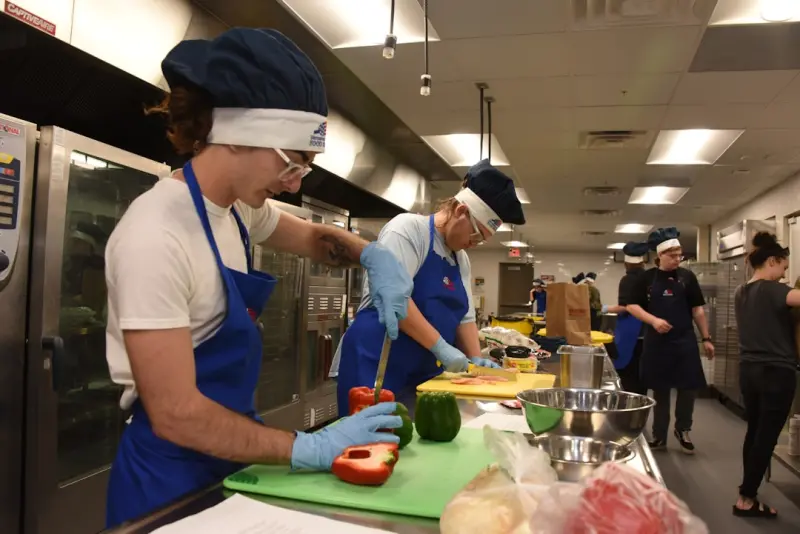
The Hidden Ingredient: How Apprenticeship Programs Are Shaping the Best Restaurants
Explore the rise of culinary apprenticeships and how they’re redefining the best restaurants, from innovative menus to sustainable practices....Read More
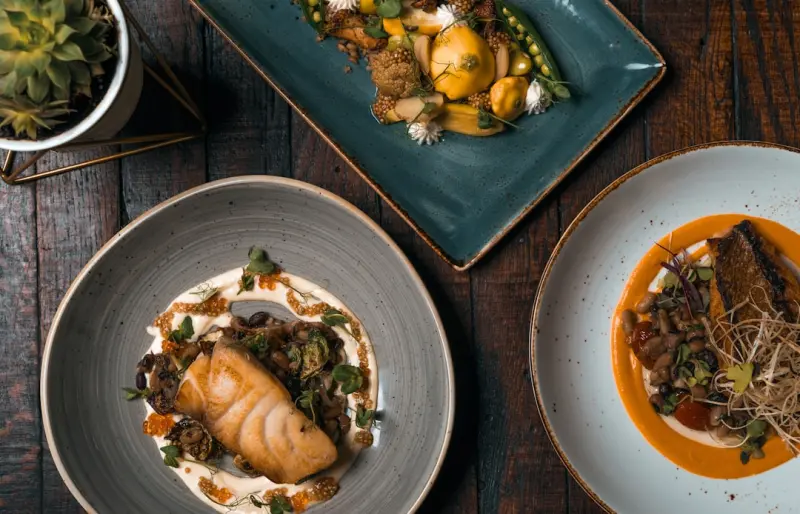
Beyond Silverware: How Tableware Design Rewrites Fine‑Dining Stories
A deep dive into the evolution of plates, glasses, and cutlery, and how their design now tells the story of every fine‑dining course....Read More
0 Comments
Post Comment
You will need to Login or Register to comment on this post!