
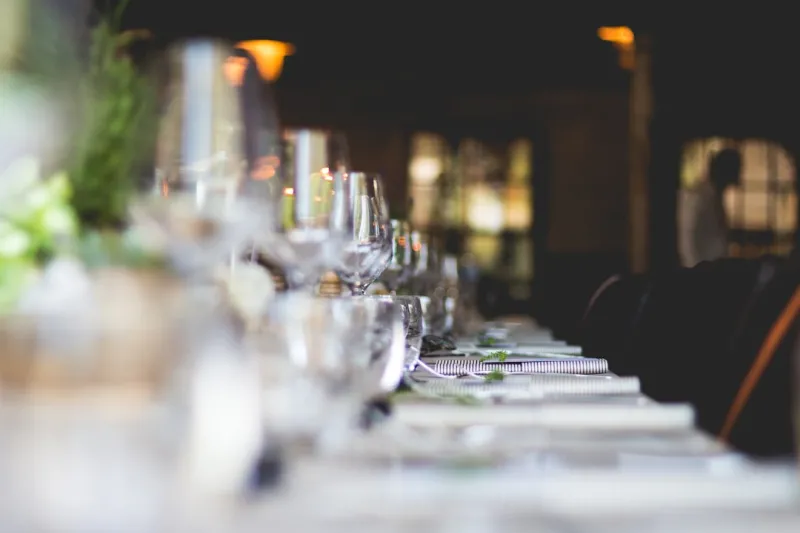
The Prelude: Setting the Stage for a Narrative Plate
Walking into a fine‑dining room feels like stepping onto a stage where each table is a spotlight, and the chef is both playwright and conductor. The soft rustle of linen, the dimmed chandeliers, and the quiet anticipation of guests create a canvas upon which flavors will paint stories. I often find myself listening first—to the clink of glass, the hushed murmurs of fellow diners—before the first bite even arrives. That moment of poised silence is where the magic begins, and it reminds me why I chase these experiences with the fervor of a storyteller.
Ingredients as Characters: The Cast Behind the Cuisine
Every component on the plate is a character with a backstory, from the heirloom tomato nurtured in a family farm to the rare sea salt harvested from remote coastal cliffs. When I see a single grain of pepper, I imagine the trek of a farmer across rugged terrain, the sun‑kissed soil, and the meticulous hand that dried it. Chefs now curate these characters deliberately, allowing them to converse and clash in a harmonious dialogue that reflects culture, geography, and memory. It is this thoughtful casting that transforms a meal into an unforgettable narrative.
Technique as Plot Twist: Unexpected Turns on the Plate
Just as a novel thrives on unexpected twists, a fine‑dining dish captivates when technique subverts expectation. A foam that dissolves into a burst of citrus, a sous‑vide duck leg that melts like butter, or a smoke‑infused garnish that teases the senses—all act as plot devices that keep diners engaged. I recall a tasting menu where a seemingly simple beet turned into a cascade of earthy broth, revealing layers I never anticipated. These culinary plot twists remind me that the story is never linear; it evolves with each bite.
Atmosphere as Setting: The Role of Space in Storytelling
The architecture and interior design of a restaurant serve as the setting that grounds the culinary narrative. A vaulted ceiling with exposed timber may evoke rustic heritage, while minimalist glass walls hint at a futuristic tale of transparency and purity. Lighting, too, is a silent narrator—warm amber hues coax intimacy, while stark white illuminates precision. When the environment aligns with the chef’s vision, the entire dining experience feels like a fully realized novel, where every element reinforces the central theme.
Service as the Narrative Voice
In the world of fine dining, the staff are the narrators who guide you through the story, offering context and insight without stealing the spotlight. A sommelier’s description of a wine’s terroir can be as compelling as a chef’s explanation of a sauce’s origin. I cherish moments when a server pauses, eyes meeting yours, and shares a fleeting anecdote about a local fisherman who inspired today’s sea bass. Those whispered interludes add depth, turning a simple tasting into a collaborative storytelling feast.
Linking Past and Present: How History Inspires Modern Menus
Many contemporary chefs draw upon culinary archives, reinterpreting classic dishes with avant‑garde techniques. A reimagined bouillabaisse, for example, may retain its Provençal soul while incorporating nitrogen‑frozen shells that release aromatic vapors at the table. This dialogue between eras creates a layered narrative where tradition meets innovation. For a deeper dive into restaurants that master this balance, explore The Best Restaurants That Turn Meals Into Memorable Stories, where each establishment writes its own chapter of culinary history.
Sensory Synergy: Beyond Taste to Touch, Sound, and Sight
The most memorable fine‑dining experiences engage all five senses, turning a meal into a multisensory symphony. A crisp crackle of a caramelized crust, the subtle aroma of rosemary drifting from a steaming plate, and the visual drama of a deconstructed dessert all work together to immerse the diner. Sound, too, plays a role—a gentle hum of a live pianist or the soft clatter of a wooden spoon against a ramekin can amplify emotional resonance. This holistic approach mirrors the storytelling technique discussed in When a Plate Tells a Story: Inside the Hottest Restaurants, where chefs orchestrate each sense to craft a unified narrative.
Personal Reflection: My Own Narrative Through the Fork
Each restaurant I visit adds a paragraph to my personal culinary memoir, a collection of moments that shape my palate and perspective. I remember a midnight tasting menu where the chef presented a dish inspired by a childhood memory of fireflies, each bite flickering with luminous citrus that seemed to glow on the tongue. That experience taught me that fine dining is not just about luxury; it is about vulnerability, honesty, and the willingness to share one’s deepest stories on a plate. As I continue this journey, I remain eager to discover how chefs will next rewrite the language of flavor.
The Future of Narrative Dining: Anticipating New Chapters
Looking ahead, I see a rising tide of chefs who view their kitchens as literary workshops, where every dish is a draft awaiting refinement. Emerging technologies—edible QR codes, augmented reality plating, and AI‑assisted flavor pairing—promise to expand the storytelling toolbox. Yet, the core remains unchanged: a sincere desire to connect, to evoke emotion, and to leave a lasting imprint on the heart. When the next generation of restaurants embraces these possibilities, diners will find themselves part of a living anthology, each visit a fresh page in the evolving saga of fine dining.

When it comes to the world of blogging and writing, Rose DesRochers is a name that stands out. Her passion for creating quality content and connecting with her audience has made her a trusted voice in the industry. Aside from her skills as a writer and blogger, Rose is also known for her compassionate nature.
Related Posts
How Light Becomes the Secret Ingredient in Fine Dining
Explore the hidden power of illumination in fine dining—how color, intensity, and smart systems tu... Read More

The Unseen Symphony: How Timing, Light, and Story Elevate Fine Dining
Explore the art of timing, lighting, and narrative in fine dining, revealing how chefs craft unforge... Read More
When Fine Dining Becomes a Narrative Journey
Discover how fine dining evolves into a storytelling adventure, where menus, wine pairings, and serv... Read More
Top Posts
Why 2026’s Hottest Restaurants Are Redefining the Dining Experience
Discover the 2026 restaurant renaissance where narrative, sustainability, and immersive tech turn each meal into a memorable story....Read More

Charting Culinary Landscapes: How to Map Your City’s Best Restaurants
Discover a new perspective on dining: map your city’s restaurants like a culinary explorer and uncover hidden stories behind each bite....Read More
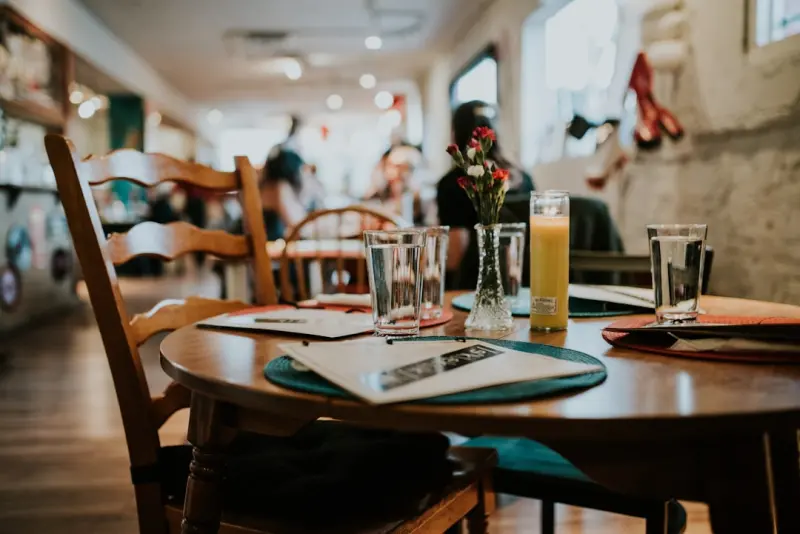
The Power of Storytelling in Restaurants: Turning Meals into Memorable Narratives
Explore how authentic narratives, music, design, and community voices turn ordinary meals into memorable experiences that keep guests returning for more....Read More
Becky Putman's Top 10 Best Restaurants to Experience in 2024
Becky Putman reveals her 2024 top restaurant picks, highlighting flavor‑first concepts, sustainable sourcing, and tech‑enhanced dining for unforgettable mea...Read More
0 Comments
Post Comment
You will need to Login or Register to comment on this post!