
Why We Crave a Story on Our Plate
Every time I step into a restaurant, I’m not just looking for a meal; I’m hunting for a narrative that will linger long after the last bite has vanished, and this instinct drives the modern dining experience toward something richer than mere sustenance. In a world saturated with fast‑food convenience, the desire for a meaningful culinary journey feels like a rebellion against the mundane, inviting us to sit, breathe, and become part of a story that unfolds with each course. This is why the concept of narrative dining has taken center stage, turning ordinary evenings into memorable chapters that we revisit in our minds, and it’s a trend I explore in depth in my piece When a Restaurant Becomes a Storytelling Stage, where I dissect how chefs craft arcs that mirror the suspense and resolution of a well‑written novel.
The Architecture of a Narrative Meal
The structure of a storytelling dinner mirrors the classic three‑act play: an opening that teases, a middle that deepens conflict, and a climax that delivers a satisfying resolution, and each element is meticulously designed to engage the senses beyond taste alone. Chefs begin by setting the scene with ambiance, lighting, and an opening amuse‑bouche that acts as the inciting incident, prompting curiosity about what flavors and emotions lie ahead. As the meal progresses, textures and temperatures clash and harmonize like characters in dialogue, culminating in a dessert that serves as the denouement, leaving diners with a lingering sense of closure and wonder.
Ingredients as Characters
When I think about the role of each component on a plate, I see vegetables, proteins, and spices as protagonists, antagonists, and supporting cast, each with a distinct voice that contributes to the overarching plot. A bright, acidic citrus can act as a witty foil to a rich, buttery sauce, while a slow‑cooked braise offers the gravitas of a seasoned mentor guiding the younger flavors toward their destiny. This theatrical use of ingredients is explored further in The Secret Narrative Behind Every Fine‑Dining Plate, where I reveal how the choice of a single herb can shift the emotional tone of an entire course, much like a plot twist reshapes a story’s direction.
Service as the Narrator
The servers in a storytelling restaurant are not merely waitstaff; they become the narrators who guide diners through the plot, delivering context, pacing, and occasional hints that enrich the experience without spoiling the surprise. A well‑trained server will describe the provenance of a foraged mushroom as a whispered legend, or explain the cultural significance of a spice blend as a historic love story, allowing guests to feel invested in each bite. This subtle orchestration transforms the act of ordering into a collaborative rehearsal, where the diner and staff co‑author the evening’s tale.
Designing the Setting: Space as Stage
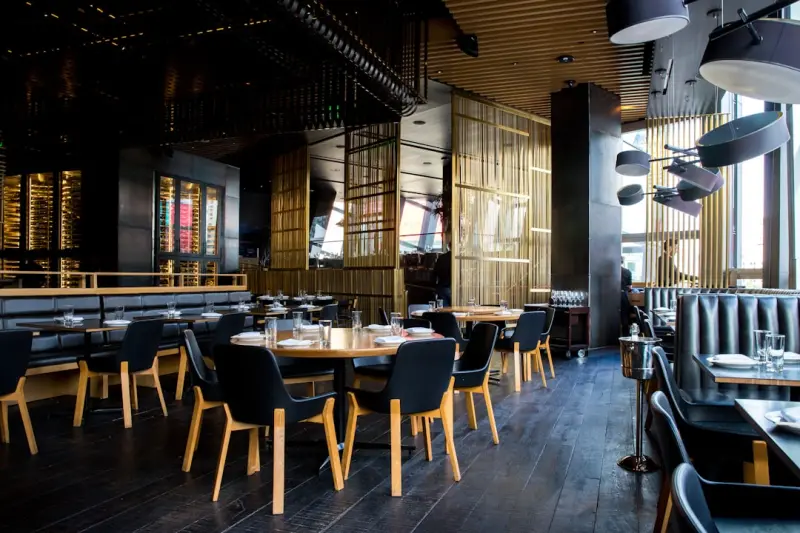
The physical environment of a restaurant functions as the stage upon which the culinary drama unfolds, and designers now prioritize elements that echo the narrative theme, from muraled walls depicting seasonal cycles to tables arranged like chapters in a book. Soft, ambient lighting can mimic the twilight of a story’s climax, while the acoustic backdrop of distant piano notes provides an emotional underscore that heightens anticipation. By aligning the décor with the menu’s storyline, restaurateurs create an immersive world where every visual cue reinforces the taste journey, making the setting a silent yet powerful storyteller.
Technology Enhancing the Tale
In the age of digital immersion, many avant‑garde eateries are integrating technology to deepen the narrative, using projected visuals, interactive QR codes, and even augmented‑reality plating that reveal hidden layers of meaning as diners engage with their meals. Imagine a dish whose sauce changes color in response to a smartphone’s touch, symbolizing a character’s transformation, or a menu that unfolds like a scroll, inviting guests to choose their own adventure. These innovations turn the act of dining into a multisensory performance, blurring the line between the physical plate and the digital story world.
Community and Shared Stories
Beyond the individual experience, narrative dining fosters a communal sense of belonging, as tables become roundtables where strangers exchange interpretations of flavors, much like readers discuss plot twists in a book club. When diners share their personal connections to a dish—a memory of a grandmother’s stew or a travel anecdote—they add layers to the restaurant’s overarching story, creating a living tapestry of collective memory. This communal storytelling is highlighted in my roundup Savoring Stories: The Best Restaurants That Turn Meals Into Narratives, where I celebrate venues that thrive on this shared narrative energy.
Measuring Success: The Narrative ROI
While traditional metrics like revenue and table turnover remain important, forward‑thinking restaurateurs now assess success through the lens of emotional impact, repeat‑guest storytelling, and social media buzz generated by the narrative experience. Guest reviews that reference “the surprise ending” or “the emotional crescendo” signal that the story resonated, and such qualitative data often predicts long‑term loyalty better than any spreadsheet. By treating the dining experience as a story, owners can craft marketing campaigns that echo the same arcs, turning a single night’s adventure into a lasting brand legend.
Future Horizons: The Evolution of Narrative Dining
Looking ahead, I envision a future where every restaurant becomes a living library, offering curated story menus that evolve with seasons, cultural shifts, and even the personal histories of regular patrons, turning each visit into a unique chapter of an ever‑growing saga. As chefs continue to experiment with flavor pairings that mimic literary devices—such as foreshadowing through subtle hints of spice or red herrings in deceptive plating—the possibilities for immersive storytelling are limitless. Embracing this evolution not only elevates the art of cooking but also redefines hospitality as a craft of memory‑making, ensuring that the narrative of food remains as compelling as the stories we cherish.

When it comes to the world of blogging and writing, Rose DesRochers is a name that stands out. Her passion for creating quality content and connecting with her audience has made her a trusted voice in the industry. Aside from her skills as a writer and blogger, Rose is also known for her compassionate nature.
Related Posts
The Pop‑Up Revolution: How Temporary Restaurants Are Redefining Culinary Adventure
Discover why pop‑up eateries are the hottest trend, offering seasonal storytelling, community‑cr... Read More
How Color Psychology is Redefining the Restaurant Experience
Explore the subtle power of color in restaurants—from appetite‑boosting reds to calming blues—... Read More
The 2024 Restaurant Renaissance: Becky Putman's Flavor‑First Exploration
Becky Putman reveals the 2024 restaurant renaissance, highlighting flavor‑first trends, top picks,... Read More
Top Posts
How Color Psychology is Redefining the Restaurant Experience
Explore the subtle power of color in restaurants—from appetite‑boosting reds to calming blues—and learn how designers and chefs use hue to craft immersive...Read More

Unearthing Forgotten Flavors: The Best Restaurants Reviving Heritage Recipes
Explore the most authentic eateries resurrecting forgotten family recipes, where each dish tells a story of heritage and culinary tradition....Read More

Charting Culinary Landscapes: How to Map Your City’s Best Restaurants
Discover a new perspective on dining: map your city’s restaurants like a culinary explorer and uncover hidden stories behind each bite....Read More
The Five‑Senses Feast: How Restaurants Are Turning Meals Into Multisensory Experiences
Discover the rise of sensory dining—where aroma, sound, lighting, texture, and taste unite—to transform ordinary meals into memorable experiences that keep ...Read More
0 Comments
Post Comment
You will need to Login or Register to comment on this post!