
Why Food Photography Has Become a Culinary Passport
In an age where a single shareable image can launch a restaurant from obscurity to global fame, the plates we photograph have become extensions of our personal narratives. Diners now seek venues that not only satisfy the palate but also present a canvas where color, texture, and composition converge, turning a simple meal into a visual story that travels across feeds and timelines. This shift has encouraged chefs to think like designers, curating dishes that sparkle under natural light, feature contrasting hues, and invite the viewer’s eye to linger. As a result, the best restaurants for food‑photography are those that understand the power of a well‑framed shot, balancing flavor complexity with aesthetic allure to create moments worth saving and sharing.
The Role of Lighting and Ambience in Crafting the Perfect Shot
Lighting is the silent partner in every successful food photograph, and establishments that master ambient illumination give photographers a natural advantage. Spaces bathed in soft, diffused daylight—whether through floor‑to‑ceiling windows or strategically placed skylights—allow colors to remain true while minimizing harsh shadows that can distract from the dish’s details. Many of the city’s loft‑style eateries employ warm pendant lighting that casts a gentle glow, accentuating the caramelization of a seared scallop or the glossy sheen of a reduction sauce. When the ambience is thoughtfully designed, the camera can capture not just the food, but the mood, turning a simple plate into an immersive experience that resonates with both the eye and the appetite.
Plating That Pops: The Art of Visual Storytelling on the Plate
Beyond lighting, the arrangement of ingredients is a deliberate choreography that guides the viewer’s gaze from one element to the next. Contemporary chefs are treating the plate like a painter’s palette, using negative space, height variation, and contrasting textures to create visual tension and harmony. A drizzle of bright beet‑reduction across a pristine white plate can become a focal point, while a sprinkle of micro‑herbs adds a burst of green that signals freshness. Such thoughtful plating not only enhances the tasting experience but also provides the photographer with clear points of interest, making every bite worthy of a close‑up that tells its own story.
Menus Designed for Snapshots: From Descriptive Names to Photo‑Ready Sections
When menus are crafted with the camera in mind, they become more than a list of options—they turn into a roadmap for Instagram enthusiasts. Descriptive dish names that evoke vivid imagery, such as “Sun‑Kissed Citrus‑Glazed Salmon” or “Midnight‑Black Truffle Risotto,” cue photographers to anticipate colors and textures worth highlighting. Some restaurants even dedicate entire sections to “Share‑able Plates” and “Picture‑Perfect Desserts,” signaling to diners which items are optimized for visual impact. By aligning culinary language with photographic intent, these establishments invite guests to become co‑creators, capturing moments that amplify the restaurant’s brand through user‑generated content.
Chef‑Photographer Collaborations: When Culinary Vision Meets Lens Expertise
Increasingly, chefs are partnering with professional food photographers to refine the visual language of their dishes before they ever leave the kitchen. These collaborations often involve test shoots, where the photographer advises on plating tweaks, garnish placement, and even the selection of dishware that enhances color contrast. The result is a menu that feels cohesive across both the palate and the pixel, ensuring that each plate translates flawlessly from plate to screen. Such synergistic efforts have turned many eateries into living galleries, where every course is pre‑visualized for maximum aesthetic impact, encouraging diners to capture and share their experiences confidently.
Urban Hotspots: Instagram‑Ready Restaurants in the City Core
The bustling downtown scene offers a concentration of eateries that prioritize photo‑friendly aesthetics without sacrificing culinary depth. Below are three standout venues where the setting, service, and cuisine converge for a flawless feed:
- Sugar & Spice Atelier – A pastel‑washed patisserie that showcases pastel macarons against a backdrop of marble tiles, perfect for close‑ups of delicate textures.
- Harvest Loft – A farm‑to‑table restaurant with reclaimed wood tables and industrial lighting that casts dramatic shadows on seasonal vegetable medleys.
- Neon Noodle Bar – Vibrant neon signage and color‑popping bowls of ramen create a kinetic energy that translates beautifully in low‑light environments.
Each of these urban gems offers a distinct visual identity, encouraging diners to experiment with angles, depth of field, and storytelling through food.
Scenic Retreats: Destination Restaurants Where Landscape Complements the Plate
For those who crave a backdrop that rivals the dish itself, scenic eateries provide a harmonious blend of natural beauty and culinary craftsmanship. The following locations have earned a reputation for delivering breathtaking vistas that enhance every photograph:
- Skyline Terrace – Perched atop a hill, this restaurant frames plates against sunset‑kissed horizons, allowing the golden hour to bathe each morsel in ethereal light.
- Riverstone Bistro – Nestled beside a gently flowing river, diners can capture reflections of their meals on the water’s surface, adding a dynamic element to the composition.
- Mountain Hearth – Featuring a rustic stone fireplace and panoramic alpine views, this spot turns hearty, wood‑smoked dishes into stories of comfort and adventure.
These destinations prove that location can be the ultimate garnish, turning an ordinary plate into a memory that lives on both in taste and visual impression.
Tips for Capturing the Perfect Food Shot at These Restaurants
Even the most photogenic venues benefit from a few photographer‑friendly habits. First, arrive early to claim a table with natural light and avoid the glare of overhead fixtures. Second, use a shallow depth of field to isolate the dish from background distractions, allowing the colors and textures to pop. Third, experiment with angles—overhead shots work well for flat layouts, while a 45‑degree angle showcases height and layers. Finally, engage with staff; many chefs are happy to adjust plating or suggest the best moment to photograph a dish at its visual peak. By blending these techniques with the inherent beauty of the restaurant’s environment, diners can produce images that not only garner likes but also honor the culinary artistry behind each plate.
Final Thoughts: Turning Every Meal into a Visual Celebration
In a world where the line between dining and digital storytelling blurs, the best restaurants are those that anticipate and embrace the camera’s presence. By curating lighting, plating, menu language, and collaborative creativity, they transform each dish into a shareable masterpiece that extends the experience beyond the table. Whether you’re snapping a quick Instagram story in a downtown loft or composing a long‑exposure shot of a sunset‑lit dinner atop a mountain, these venues provide the perfect stage for your culinary narrative. So next time you set out for a meal, consider not just the flavors on your tongue but the story you’ll capture on your screen—because a well‑photographed plate is a memory that lingers long after the last bite.

When it comes to the world of blogging and writing, Rose DesRochers is a name that stands out. Her passion for creating quality content and connecting with her audience has made her a trusted voice in the industry. Aside from her skills as a writer and blogger, Rose is also known for her compassionate nature.
Related Posts
My 2026 Flavor‑First Quest for the Best Restaurants
Rose DesRochers shares her 2026 flavor‑first adventure, highlighting sensory storytelling, hyperâ€... Read More
Where Every Bite Becomes a Story: My Hunt for the Best Restaurants
I’m on a quest to uncover the best restaurants where each plate reads like a chapter, blending fla... Read More
Best Restaurants Turning Meals into Stories
Discover restaurants that turn dining into storytelling, offering immersive experiences where every ... Read More
Top Posts
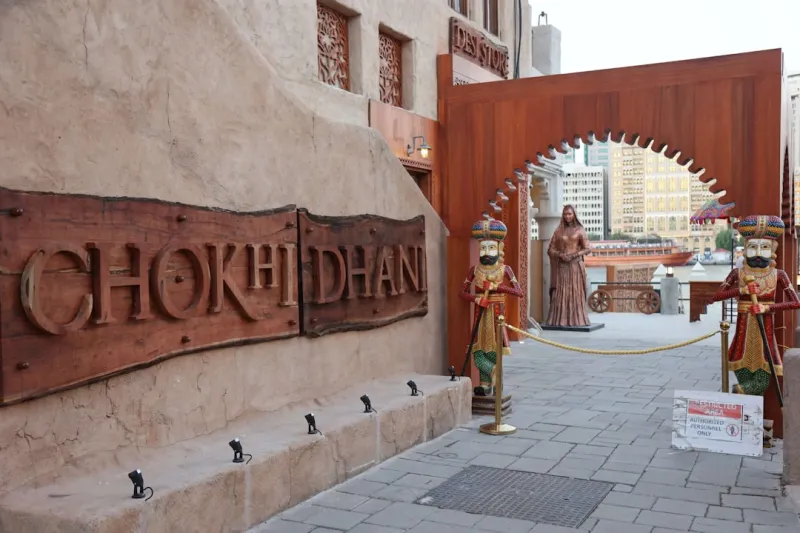
Best Restaurants of 2024: Rose DesRochers’ Insider Picks
Rose DesRochers shares her personal journey through the 2024 restaurant renaissance, highlighting the year’s most exciting dining destinations....Read More
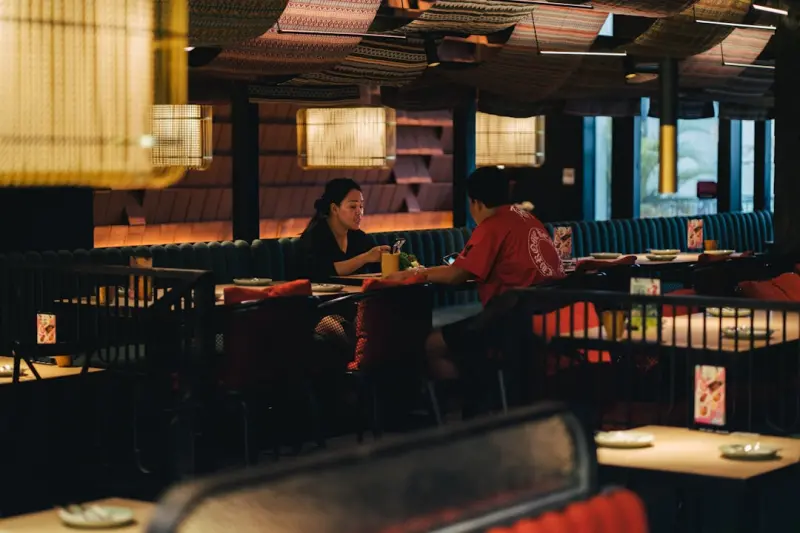
How Music Transforms the Restaurant Experience
Explore the power of playlists in dining, from scientific insights to real‑world case studies, and learn how restaurants can use music to elevate flavor and g...Read More
Dining Without Barriers: How Inclusive Design Defines the Best Restaurants
Discover why inclusive design, adaptive menus, and staff training are the new benchmarks that elevate restaurants into truly welcoming experiences for all diner...Read More
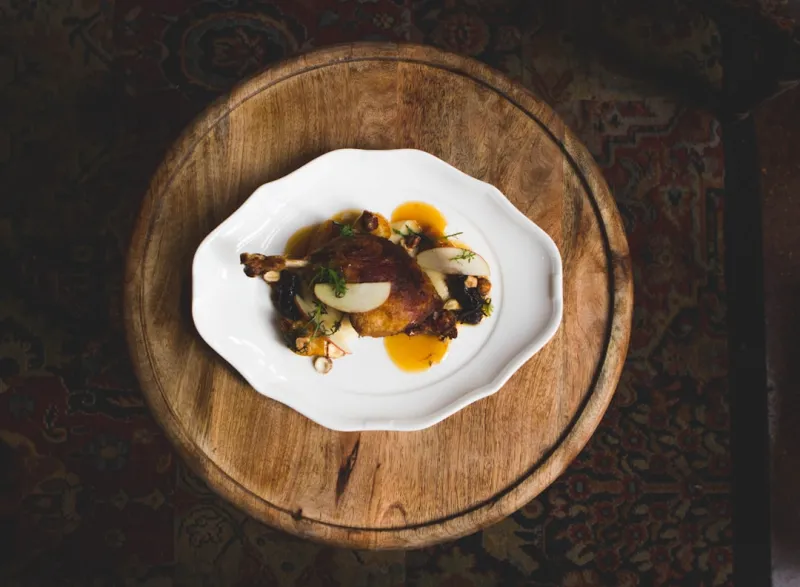
The Art of Storytelling on the Fine‑Dining Plate
Discover why today’s top fine‑dining spots treat each dish as a story, weaving ingredients, ambience, and service into an unforgettable culinary narrative....Read More
0 Comments
Post Comment
You will need to Login or Register to comment on this post!