
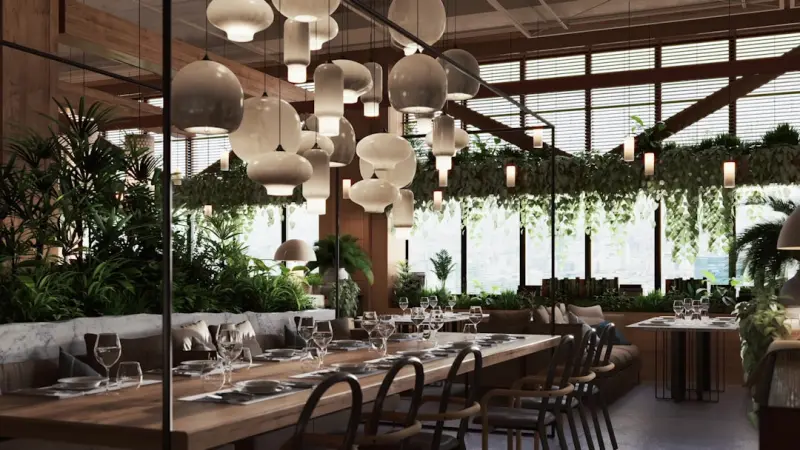
Why Nature Is the New Luxury in Restaurants
Walking into a space where vines creep up the walls and sunlight pours through skylights feels like stepping into a secret garden, and I’m constantly amazed at how this biophilic design reshapes my dining expectations. As someone who has sampled countless eateries, the moment I sit at a table framed by living foliage, my focus shifts from the plate to the breathing environment around me. It’s not just a decorative trend; it’s a deliberate strategy that restaurants are using to deepen connection, elevate mood, and make every bite feel more vibrant.
The Science Behind Green Spaces and Appetite
Research shows that exposure to natural elements can lower cortisol levels, improve heart rate variability, and even enhance taste perception—benefits that restaurants are eager to harness. When diners feel relaxed and refreshed, they’re more likely to linger, order thoughtfully, and share positive word‑of‑mouth, which translates directly into higher revenue. The psychological lift from a leaf‑filled ceiling or a gentle water feature isn’t a fleeting novelty; it’s a measurable boost to the overall dining experience, turning ordinary meals into memorable events.
Key Elements That Turn a Kitchen Into a Sanctuary
Designers are now weaving in living walls, reclaimed wood, and floor‑to‑ceiling windows that frame cityscapes or gardens, creating a seamless dialogue between interior and exterior. Water installations—whether a subtle fountain or a reflective pond—add soothing soundscapes that drown out the clatter of plates, while indoor plants improve air quality, making the atmosphere feel cleaner and crisper. Even the choice of natural materials for furniture and tableware reinforces the theme, inviting guests to feel part of an ecosystem rather than just consumers.
Case Study: A Green Oasis That Marries Harvest and Habitat
One standout example is a downtown bistro that built its entire dining room around a 30‑foot living wall of herbs, edible flowers, and seasonal greens. The chefs harvest directly from this vertical garden, allowing the menu to evolve in real time with the freshest ingredients the wall offers. This synergy between design and cuisine mirrors the insights I found in Seasonal Maps, where the authors describe how local harvests can become the narrative backbone of a menu. Guests not only taste the difference but also witness the journey from seed to plate, deepening their appreciation for the food and the space.
Menu Storytelling Through Nature’s Lens
When a restaurant’s interior echoes the story of its ingredients, the menu becomes a living manuscript. Diners can trace the lineage of a dish from the living wall to the plate, making each course feel like a chapter in a larger, nature‑infused tale. This approach encourages chefs to experiment with foraged items, micro‑greens, and locally sourced produce, aligning culinary creativity with the surrounding greenery. The result is a menu that feels authentic, dynamic, and deeply rooted in the environment—an experience that resonates long after the check is paid.
Psychological Impact: From Mood to Flavor Perception
Studies reveal that diners seated near natural light report higher satisfaction and perceive flavors as more intense compared to those in artificially lit spaces. The subtle scent of earth and foliage can also prime the palate, making herbaceous or earthy notes in a dish stand out more vividly. By integrating natural textures and sounds, restaurants can create a multisensory backdrop that amplifies taste, aroma, and overall enjoyment, turning a simple dinner into an immersive sensory journey.
Balancing Beauty with Practicality
Implementing biophilic design isn’t without challenges—maintenance of living walls, humidity control, and upfront costs can be daunting for restaurateurs. However, many are turning to modular plant systems and low‑maintenance succulents that require minimal watering, reducing long‑term expenses. Partnerships with local horticulturalists also provide expertise and shared responsibility, making the green transformation more sustainable. For those worried about space, even small touches like potted herbs on each table can convey the same calming effect without a massive overhaul.
The Future: From Green Walls to Fully Immersive Ecosystems
Looking ahead, I see restaurants evolving into true ecosystems where every element—from the ceiling foliage to the menu narrative—works in concert to nurture both body and soul. As more establishments adopt this approach, we’ll likely see a rise in community‑focused spaces that celebrate local flora, echoing the sentiments of Community‑Centric Restaurants. The marriage of nature and dining promises not just a trend, but a lasting shift toward healthier, more connected culinary experiences.

When it comes to the world of blogging and writing, Rose DesRochers is a name that stands out. Her passion for creating quality content and connecting with her audience has made her a trusted voice in the industry. Aside from her skills as a writer and blogger, Rose is also known for her compassionate nature.
Related Posts
The Hidden Power of Restaurant Soundtracks: How Curated Audio Transforms Dining
Explore the impact of curated restaurant soundtracks on mood, flavor perception, and guest loyalty, ... Read More
Beyond the Plate: How Restaurants Are Cultivating Community Wellness
Discover the rising trend of restaurants becoming wellness hubs, where mindful menus, soothing ambia... Read More

Beyond the Kitchen Door: How Ghost Kitchens Are Reshaping the Restaurant Landscape
Ghost kitchens are silently reshaping how we eat, blending high‑tech efficiency with culinary crea... Read More
Top Posts
Theatrical Dining: How Performance Elevates Fine Dining
Fine dining is becoming a stage where chefs perform, guests interact, and every sense is choreographed—explore the rise of culinary theater and its future....Read More
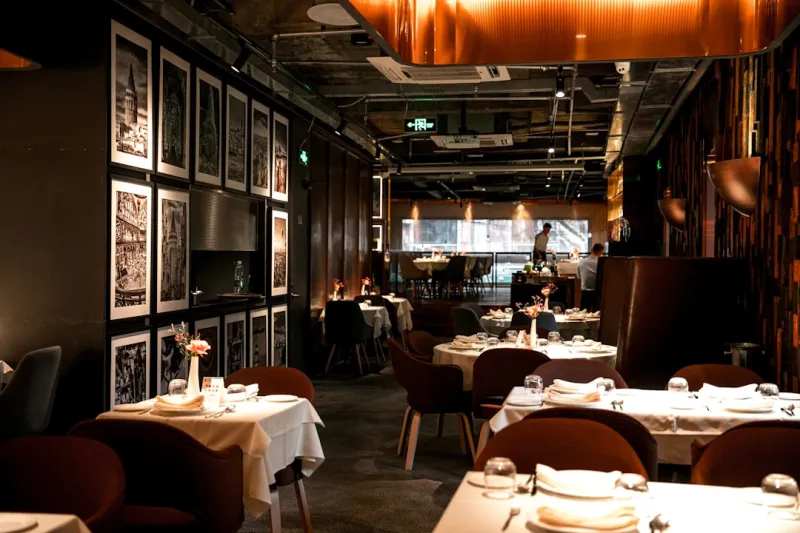
Fine Dining Through Becky Putman's Lens: A 2024 Flavor Journey
Becky Putman shares her personal journey through 2024's fine dining, revealing hidden gems, storytelling plates, and the future of sustainable luxury....Read More
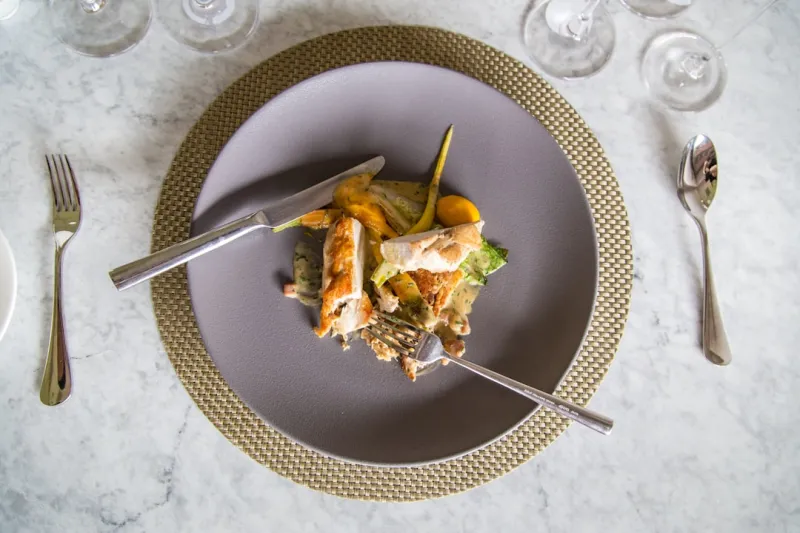
When a Fine‑Dining Plate Becomes a Storytelling Journey
Fine dining today isn’t just about taste; it’s an immersive narrative where chefs, ambience, and service combine to turn every plate into a compelling story...Read More
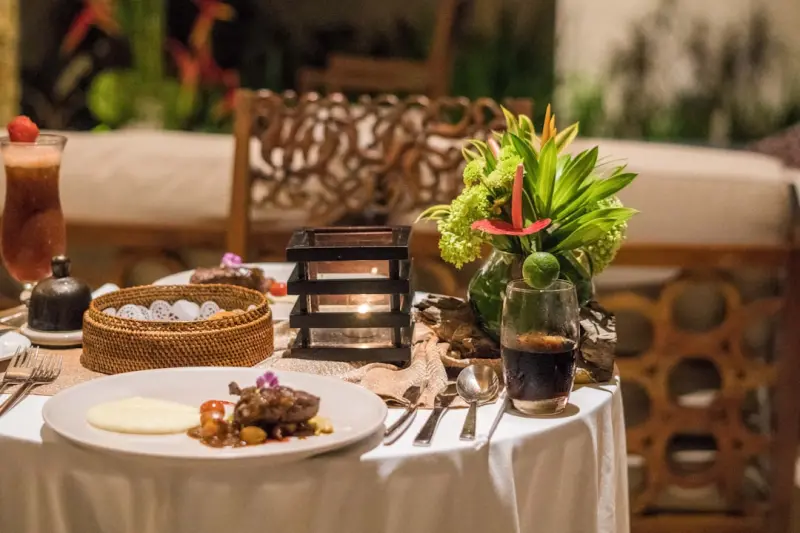
Reviving Ancient Rituals: How Fine Dining is Rewriting the Rules of the Table
Fine dining is turning back the clock, weaving ancient rituals from Japan, France, and the Middle East into modern menus for a richer, more immersive culinary j...Read More
0 Comments
Post Comment
You will need to Login or Register to comment on this post!