
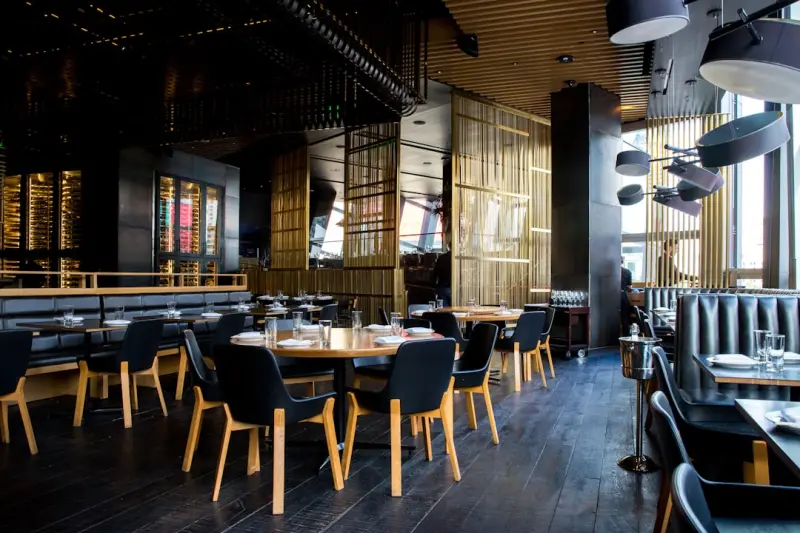
From Desk to Table: Why Remote Workers Are the New Diners
When I first set up my laptop at a downtown bistro, I noticed that the hum of keyboards blended seamlessly with the clink of glassware, creating an unexpected soundtrack for lunch. Over the past few months, the rise of digital nomads and hybrid teams has turned many restaurant spaces into quasi‑offices, prompting owners to rethink seating layouts, power outlet placement, and even Wi‑Fi bandwidth as if they were redesigning an office floorplan rather than a dining room. This shift is more than a trend; it’s a cultural pivot where work‑friendly ambiance becomes as vital as the flavor of the dish, and restaurants that ignore the silent majority of remote professionals risk being left with empty tables during off‑peak hours.
The Quiet Corner Phenomenon: Designing for Focused Productivity
My favorite spot now is a tucked‑away alcove with soft lighting, acoustic panels, and a single, well‑spaced outlet—an oasis where I can sip a latte while drafting proposals without feeling like I’m in a coffee shop circus. Restaurateurs are swapping communal banquettes for modular pods that can be reconfigured on the fly, offering privacy for video calls and enough space for a laptop without sacrificing the intimacy of a two‑person table. By treating the dining room as a hybrid environment, they tap into a steady revenue stream that thrives on the extended dwell time of remote workers who linger longer than the average diner.
Menu Innovation for the Multi‑Tasking Palate
One of the biggest challenges I face is choosing dishes that are both satisfying and easy to eat while I’m scrolling through spreadsheets, and smart chefs have started to answer that call with “focus‑friendly” menus—think bite‑size plates, low‑mess salads, and protein‑packed bowls that don’t require constant utensil juggling. Some establishments even employ personalized menu technology that suggests meals based on the time of day, the user’s work schedule, and their nutritional goals, ensuring that I stay energized without compromising my productivity. This marriage of culinary creativity and functional design turns the ordinary lunch break into a strategic performance boost.
Pricing Strategies That Respect Both Work and Wallet
Remote professionals are often balancing project budgets with personal expenses, so restaurants that offer transparent, tiered pricing structures see higher conversion rates among this demographic. Instead of the traditional three‑course price, many venues now present “focus bundles” that combine a main, a side, and a beverage at a predictable, flat rate, allowing me to plan my day’s expenses without surprise surcharges. When combined with loyalty perks that reward consistent patronage, these bundles become a cost‑effective way to sustain both my work rhythm and my appetite.
Community Tables as Networking Hubs
Beyond the solitary cubicle, I’ve discovered that shared long tables can spark spontaneous collaborations, turning a lunch hour into a mini‑conference of ideas and projects. Restaurant owners are capitalizing on this by curating “co‑working nights,” where the ambience encourages conversation, and menu items are designed for easy sharing—think communal platters of tapas or shared charcuterie boards that double as icebreakers. This approach not only fills seats during slower periods but also cultivates a sense of community that keeps patrons returning for both the food and the connections.
Tech‑Enabled Service: From QR Codes to Real‑Time Seating
In my experience, the most seamless dining moments happen when I can order, pay, and request service without ever leaving my laptop. QR‑code menus paired with real‑time seating dashboards let me see which tables are currently “work‑ready” and even reserve a spot in advance, reducing the anxiety of arriving to a full house. When servers receive instant notifications of my needs—whether it’s a refill or a quick question about the dish—they can respond promptly, preserving the flow of my workday while still delivering the personal touch of attentive hospitality.
Balancing Health and Hustle: Wellness‑Centric Offerings
Long hours at a screen can lead to fatigue, so I gravitate toward restaurants that incorporate health‑focused options like antioxidant‑rich bowls, adaptogenic teas, and low‑glycemic desserts that sustain energy without the crash. Some chefs are even consulting nutritionists to craft menus that align with the circadian rhythms of remote workers, offering lighter fare during midday and heartier, protein‑laden meals in the evening to support recovery after a day of virtual meetings. By prioritizing wellness, these eateries become allies in my quest for sustainable productivity.
Environmental Impact of the Remote‑Dining Hybrid
While the convergence of work and dining brings economic benefits, it also raises questions about waste and resource use, prompting savvy restaurateurs to adopt greener practices that resonate with eco‑conscious remote workers. Compostable packaging for take‑away orders, energy‑efficient lighting that mimics natural daylight, and digital receipts that reduce paper consumption are small but meaningful steps toward a more sustainable model. When I see a restaurant actively reducing its carbon footprint, I’m more likely to become a repeat customer, knowing that my productivity boost isn’t coming at the planet’s expense.
Future Outlook: The Restaurant as a Flexible Workspace
Looking ahead, I envision a landscape where the line between café, office, and restaurant blurs completely, giving rise to venues that can shift from breakfast brunch to full‑day coworking hub with a simple change of lighting and staffing. Architects are already experimenting with movable walls, sound‑masking technologies, and modular furniture that can transform a space within minutes, catering to both the casual diner and the focused remote professional. As someone who lives at the intersection of food and work, I’m excited to watch this evolution unfold, knowing that the next great dining experience will be one that lets me eat, create, and collaborate—all without leaving my favorite seat.

When it comes to the world of blogging and writing, Rose DesRochers is a name that stands out. Her passion for creating quality content and connecting with her audience has made her a trusted voice in the industry. Aside from her skills as a writer and blogger, Rose is also known for her compassionate nature.
Related Posts
What Makes a Good Restaurant Good: A Symphony of Elements
In the world of dining out, a restaurant’s success hinges on more than just the food on the plate.... Read More
Al Fresco Evolution: How Restaurants Are Reimagining Outdoor Dining
Discover the rise of outdoor dining as restaurants redesign patios, rooftops, and pop‑ups, blendin... Read More
The 2024 Restaurant Renaissance: Becky Putman's Flavor‑First Exploration
Becky Putman reveals the 2024 restaurant renaissance, highlighting flavor‑first trends, top picks,... Read More
Top Posts

A Sip of Excellence: How Curated Drink Programs Redefine the Best Restaurants
Explore how thoughtfully crafted beverage programs—from seasonal cocktails to local spirit showcases—transform dining into a memorable, sensory journey....Read More

The Secret Power of Service Rituals: From Greeting to Goodbye
Explore the unseen choreography of restaurant service rituals, from the first greeting to the final goodbye, and learn how they turn meals into lasting memories...Read More
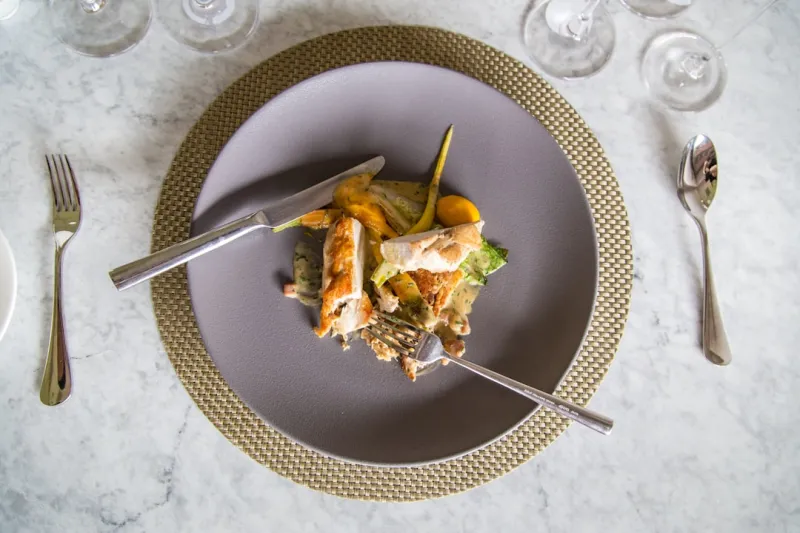
When a Fine‑Dining Plate Becomes a Storytelling Journey
Fine dining today isn’t just about taste; it’s an immersive narrative where chefs, ambience, and service combine to turn every plate into a compelling story...Read More

Becky Putman's Insider Take on the 2024 Restaurant Renaissance
Becky Putman shares her insider view of the 2024 restaurant renaissance, highlighting flavor‑first trends, sustainable sourcing, tech‑enhanced dining, and m...Read More
0 Comments
Post Comment
You will need to Login or Register to comment on this post!