
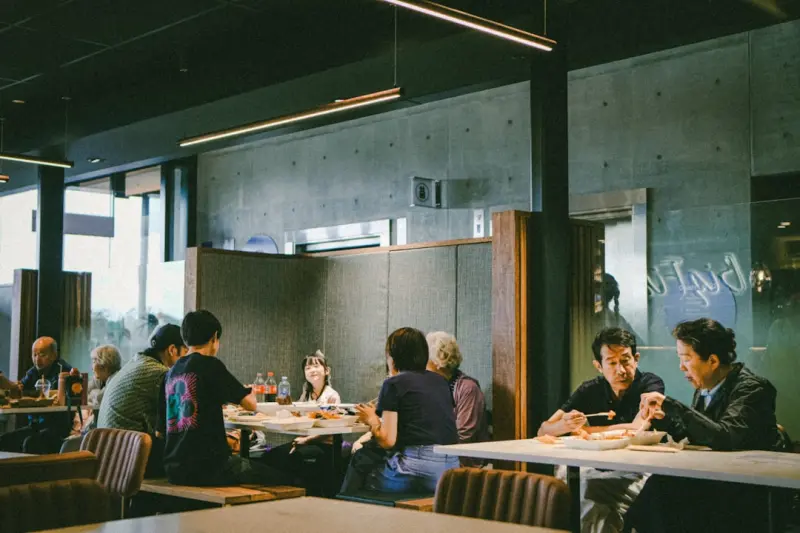
When a group of friends decides that their favorite brunch spot isn’t quite hitting the mark, the impulse isn’t always to complain – it’s to create. In the last few years, the idea of a restaurant that lives and breathes its patrons has moved from whimsical brainstorming sessions to a full‑blown movement, powered by crowdfunding platforms, membership clubs, and digital voting tools. This isn’t about a one‑off pop‑up or a trendy dessert bar; it’s a systematic rethinking of ownership, where diners become stakeholders, menu decisions become community votes, and the space itself evolves with the people who walk through its doors. The result is a dining experience that feels personal, accountable, and endlessly adaptable, turning ordinary meals into collective celebrations of taste and trust.
From Idea to Table: Crowdfunding Culinary Dreams
Platforms like Kickstarter and Indiegogo have democratized the funding landscape for startups, and restaurateurs are seizing that momentum to bypass traditional investors who often demand rigid concepts and rapid returns. By presenting a clear vision—whether it’s a farm‑to‑fork concept in a reclaimed warehouse or a zero‑waste sushi bar—entrepreneurs invite future diners to purchase “shares” that fund kitchen equipment, lease agreements, and even initial staff salaries. The transparency of a public campaign builds early loyalty; contributors receive exclusive perks such as naming rights for a dish or a seat at the inaugural tasting night, forging an emotional bond before the first plate is plated. This model also mitigates financial risk, as the capital is secured up front, allowing chefs to focus on creativity rather than endless fundraising meetings.
Building a Tribe: Membership Models That Reward Loyalty
Once the doors swing open, the real magic begins with membership programs that transform occasional guests into a supportive tribe. Unlike generic loyalty cards that merely tally points, these programs often operate on a subscription basis, granting members access to priority reservations, seasonal menu previews, and even a say in upcoming collaborations with local artisans. The psychological impact of belonging to an exclusive community encourages repeat visits and word‑of‑mouth promotion, which is invaluable in a saturated market. Moreover, a steady stream of subscription revenue provides a reliable cash flow, enabling chefs to experiment with premium ingredients or host pop‑up events without fearing financial shortfalls.
Menu Democracy: Letting Diners Vote on Their Plates
One of the most compelling aspects of a community‑driven restaurant is the ability for patrons to influence the menu through digital polls or in‑house suggestion boards. Instead of a static, chef‑crafted list, the menu becomes a living document, shifting each season based on collective feedback, seasonal availability, and emerging food trends. This participatory approach not only heightens engagement but also reduces waste, as dishes are prepared based on confirmed demand. Restaurants that have embraced this model often see higher satisfaction scores because guests feel heard and see their ideas materialize on the plate, turning a simple dinner into a collaborative culinary experiment.
Designing Spaces With Patrons in Mind
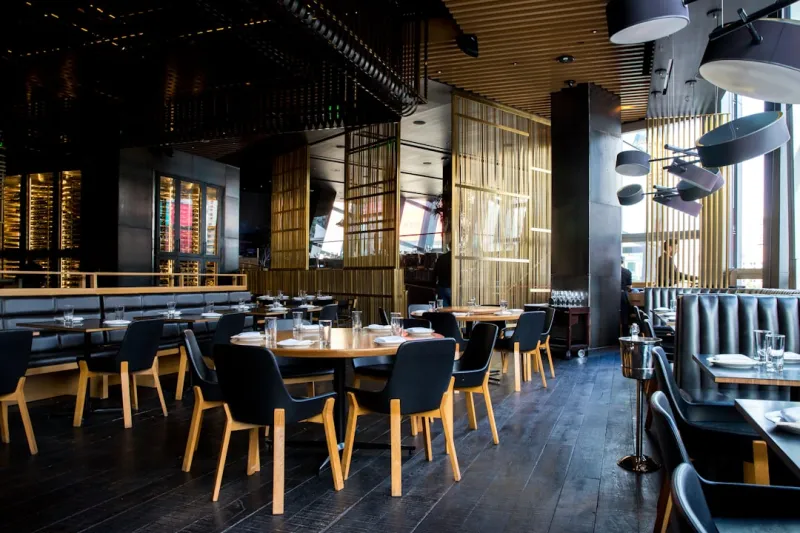
The physical environment of a community‑funded eatery reflects its inclusive philosophy. Open‑kitchen layouts invite members to observe the cooking process, while communal tables foster conversation among strangers who share a common investment in the venue. Some establishments even host design workshops where members can vote on color palettes, furniture selections, or the inclusion of local artwork, ensuring the space resonates with the community’s aesthetic sensibilities. This co‑creative approach not only enhances the sense of ownership but also creates a venue that feels uniquely theirs, distinguishing it from generic chain interiors.
Success Stories That Inspire
Several restaurants have already proven the viability of this model, turning modest crowdfunding goals into thriving culinary hubs. For example, a Seattle‑based noodle house launched a campaign that surpassed its $150,000 target within weeks, offering backers the chance to name a broth and receive a lifetime discount. Today, the shop boasts a loyal following and has expanded to a second location, all while maintaining its original community ethos. Another inspiring case is a Brooklyn speakeasy that combined a membership tier with monthly “menu‑making” evenings, where participants co‑create dishes with the chef; the concept was highlighted in community‑celebration restaurants, showcasing how collective input can elevate both flavor and brand reputation.
Potential Pitfalls and How to Navigate Them
While the collaborative model offers many benefits, it also introduces challenges that can jeopardize sustainability if not addressed proactively. Decision fatigue is a real risk; too many voting options can overwhelm members, leading to disengagement. To mitigate this, restaurants should limit choices to a curated shortlist and rotate voting cycles, keeping the process fresh yet manageable. Financial transparency is equally crucial; backers need regular updates on how their contributions are utilized to maintain trust. Finally, balancing creative freedom with community input requires a delicate dance; chefs must retain the authority to ensure culinary integrity while honoring the democratic spirit that defines the establishment.
Future Trends: The Next Evolution of Collective Dining
Looking ahead, technology will likely deepen the partnership between diners and restaurateurs, with AI‑driven analytics predicting flavor preferences and blockchain ensuring transparent fund allocation. Imagine an app that not only lets members vote on menu items but also tracks ingredient sourcing in real time, rewarding those who choose sustainable options with extra loyalty points. As urban areas become more interconnected, we may also see “networked” community restaurants, where a single membership grants access to a curated collection of partner venues across a city, each contributing to a shared culinary narrative. This vision aligns with the growing desire for experiences that are both personalized and socially responsible, positioning collective dining as a cornerstone of the next culinary renaissance.
Conclusion: Your Seat at the Table Is Waiting
Whether you’re a food lover eager to influence the next big flavor trend or an aspiring chef seeking a supportive launchpad, the rise of community‑driven, crowdfunded restaurants offers a compelling pathway to culinary fulfillment. By merging financial collaboration, democratic menu creation, and inclusive design, these establishments redefine what it means to dine out, turning every meal into a shared adventure. As the movement gains momentum, keep an eye on emerging venues that champion transparency, participation, and innovation—your next unforgettable dinner may just be a click away, waiting for you to claim your seat at the table.

Becky Putman is an Ottawa-based freelance writer and marketing professional with a passion for storytelling, animals, and community involvement. She enjoys creating engaging content that informs, inspires, and connects with readers.
Related Posts
How Narrative Menus Turn a Meal into a Storytelling Adventure
Explore the art of narrative menus—how sharing a dish’s story transforms meals into memorable ad... Read More
The Art of Dining: How Restaurants Turn Meals Into Stories
Discover why today’s dining scene feels like storytelling, with chefs designing menus that read li... Read More
When a Restaurant Becomes a Storytelling Playground
Explore the rise of story‑driven restaurants, where chefs craft menus as chapters, ambience become... Read More
Top Posts
The Hunt for Restaurants That Turn Meals Into Stories
Dive into a foodie’s quest for restaurants where every bite tells a story, blending ambience, chef creativity, and seasonal narratives into unforgettable meal...Read More

How Restaurants Use Music to Shape Your Dining Experience
Explore the hidden power of restaurant playlists and live music, and how soundscapes can transform flavors, mood, and overall dining experiences....Read More

When Fine Dining Becomes a Storytelling Feast
Discover the evolution of fine dining into immersive storytelling, where each dish becomes a narrative, inviting diners to become co‑authors of their culinary...Read More

When the Service Becomes the Star: Rethinking Fine Dining
Fine dining is evolving beyond the kitchen; discover how attentive service, curated rituals, and innovative staff training are becoming the centerpiece of luxur...Read More
0 Comments
Post Comment
You will need to Login or Register to comment on this post!