
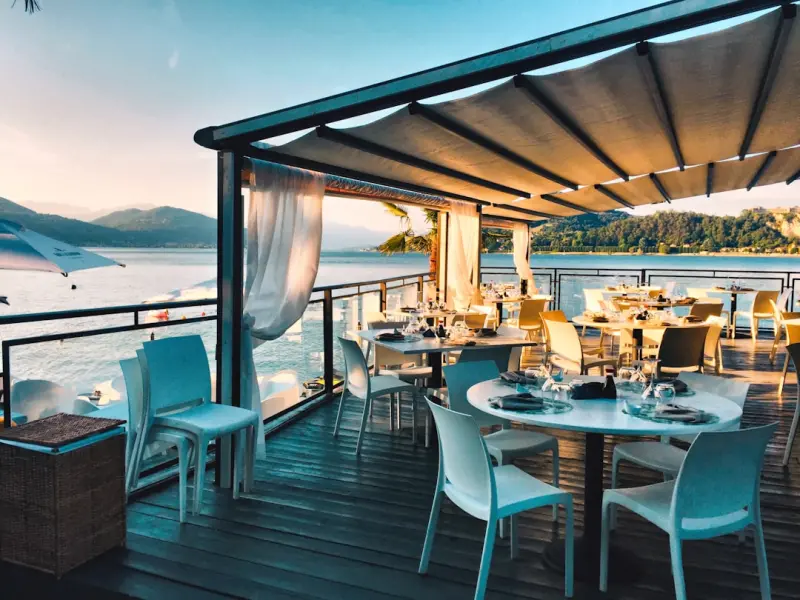
Reimagining the Guest Role in Luxury Cuisine
In the vaulted halls of today’s most celebrated dining rooms, a subtle but seismic shift is taking place: patrons are no longer merely recipients of a chef’s vision, they are becoming co‑authors of the culinary story itself. This evolution stems from a desire to break the invisible fourth wall that has long separated kitchen and table, inviting curious epicureans to step into the creative process while still luxuriating in the meticulous polish that defines fine dining. By weaving guest insight, personal narratives, and spontaneous inspiration into each plate, restaurants are crafting experiences that feel both intimate and grand, turning a night out into a collaborative masterpiece that lingers far beyond the final bite.
The Roots of Collaborative Gastronomy
While the notion of diners influencing a menu may conjure images of open‑kitchen theatrics, its lineage reaches back to centuries‑old banquet traditions where aristocrats would commission bespoke courses to reflect personal taste and status. Modern chefs, however, are translating that aristocratic privilege into a democratized format, employing structured workshops, tasting labs, and interactive stations that empower guests to suggest flavor pairings, adjust textures, or even guide plating concepts in real time. This blend of historic reverence and contemporary interactivity honors the past while boldly forging a new paradigm where the kitchen becomes a laboratory of shared imagination.
How a Co‑Creation Session Unfolds
A typical co‑creation experience begins with a curated briefing, where the maître d’ or a dedicated culinary liaison introduces diners to the night’s thematic foundation—be it a regional terroir, a seasonal narrative, or an avant‑garde technique—before handing them a sleek, leather‑bound “idea notebook.” Guests are then invited to sketch flavors, textures, or visual motifs that resonate with their personal memories, and these cues are swiftly relayed to the kitchen’s brigade, who weave them into a live‑evolving tasting menu. Throughout the service, the chef periodically returns to the table, offering explanations, soliciting feedback, and making on‑the‑spot adjustments, ensuring that every course reflects a harmonious dialogue between professional mastery and guest imagination.
Case Study: A Kitchen That Marries Tradition with Guest Input
At the critically acclaimed venue classic techniques meet daring experimentation, the executive chef has instituted a monthly “Chef‑Guest Lab” where a select group of diners collaborates on a seven‑course journey inspired by the chef’s seasonal repertoire. Participants begin by sampling a trio of base stocks—veggie, seafood, and game—then choose their preferred aromatics, herbs, and finishing accents, which the sous‑chef integrates into each subsequent plate. The result is a menu that feels simultaneously meticulously crafted and personally resonant, showcasing how disciplined culinary foundations can flexibly adapt to the nuanced preferences of a curious clientele.
Why Diners Thrive in a Co‑Created Setting
For the discerning guest, the allure lies in the empowerment to imprint a piece of themselves onto an otherwise curated experience, transforming a dinner into a personal narrative that celebrates their palate, heritage, and curiosity. This participatory model also deepens emotional connection; research in experiential psychology suggests that when individuals contribute to an outcome, their satisfaction and memory retention increase exponentially, turning a single evening into a cherished story retold at future gatherings. Moreover, the tactile act of selecting ingredients or suggesting plating nuances awakens all senses, reinforcing the notion that fine dining is not merely consumption but an immersive, multi‑dimensional celebration.
Chef Benefits: Innovation, Loyalty, and Brand Differentiation
From the kitchen’s perspective, inviting guests into the creative process serves as a living laboratory for innovation, exposing chefs to fresh perspectives that might otherwise remain undiscovered within the confines of a closed menu development cycle. These collaborative sessions generate a trove of data—flavor pairings that surprise, texture contrasts that delight, and presentation ideas that spark visual intrigue—that can be refined into signature dishes or seasonal specials. Additionally, diners who feel personally invested become ardent ambassadors, driving word‑of‑mouth buzz and repeat visits, while the restaurant distinguishes itself in a crowded market by offering a uniquely interactive luxury experience that cannot be replicated by rivals.
Overcoming the Practical Hurdles
Integrating guest input without compromising the kitchen’s efficiency requires meticulous choreography, from pre‑service briefings to real‑time communication tools that relay diners’ choices directly to the line cooks. Restaurants address potential bottlenecks by allocating a dedicated “experience coordinator” who translates guest ideas into actionable tickets within the order system, ensuring that the brigade can adjust mise en place on the fly without sacrificing timing or quality. Moreover, chefs establish clear parameters—such as ingredient availability, dietary restrictions, and technical feasibility—so that guest creativity remains within the realm of culinary excellence, preserving the restaurant’s reputation while still embracing the spirit of collaboration.
The Role of Design and Atmosphere in Co‑Creation
Physical space plays a pivotal role in nurturing dialogue between chef and guest; thoughtfully designed tablescapes, modular stations, and adaptable lighting create an environment where conversation flows naturally and ideas are visualized in real time. The integration of elegant yet functional tableware design—such as interchangeable plates, transparent lids that reveal evolving components, and tactile utensils—encourages diners to engage with each element, turning the act of eating into a multisensory workshop. When ambiance, design, and culinary expertise converge, the dining room transforms into a living studio where art, science, and personal story coalesce on the plate.
Looking Ahead: The Future of Guest‑Centric Fine Dining
As the appetite for authentic, participatory experiences continues to grow, the co‑creation model is poised to become a cornerstone of next‑generation fine dining, inviting technology, sustainability, and cultural storytelling to intersect with personal involvement. Imagine augmented‑reality menus that visualize guest‑chosen flavor pathways, or seasonal residencies where local artisans and diners collaborate on a menu that reflects the community’s evolving identity. In this brave new world, the line between chef and patron blurs, yielding a culinary landscape where every dish is a shared masterpiece, every dinner a collaborative celebration, and every return visit an opportunity to rewrite the story together.

When it comes to the world of blogging and writing, Rose DesRochers is a name that stands out. Her passion for creating quality content and connecting with her audience has made her a trusted voice in the industry. Aside from her skills as a writer and blogger, Rose is also known for her compassionate nature.
Related Posts

Beyond the Plate: Subtle Innovations Redefining Fine Dining
Discover the hidden innovations—from smart plates to immersive service rituals—that are quietly ... Read More
Designing Fine Dining for Neurodiverse Palates: A Sensory‑First Approach
Discover how fine‑dining can become a sanctuary for neurodiverse diners through intentional seatin... Read More

The Digital Renaissance: How AR is Redefining the Fine‑Dining Experience
Discover how augmented reality is turning fine‑dining menus into living stories, creating immersiv... Read More
Top Posts

Becky Putman's Insider Guide: How I Spot the Best Restaurants Before the First Bite
Becky Putman reveals her unique method for uncovering the best restaurants—listening to kitchen whispers, valuing storytelling, and championing community‑fo...Read More

Charting Culinary Landscapes: How to Map Your City’s Best Restaurants
Discover a new perspective on dining: map your city’s restaurants like a culinary explorer and uncover hidden stories behind each bite....Read More
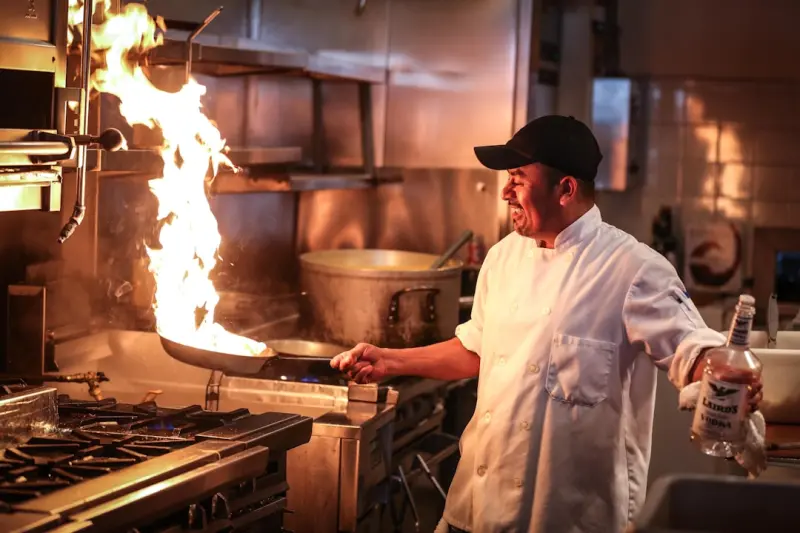
When Chefs Invite Diners to the Kitchen: The Power of Co‑Created Menus
Discover the rising trend of chef‑patron collaborations that turn fine dining into a co‑created experience, blending personal stories with culinary artistry...Read More
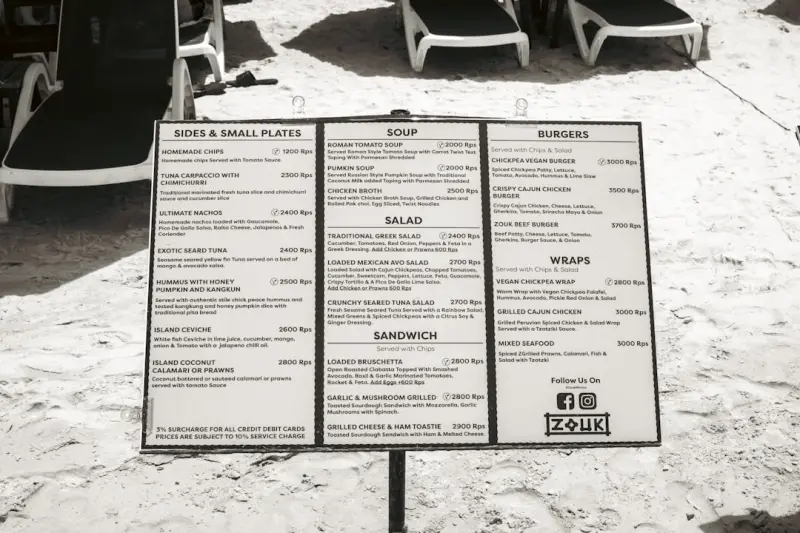
The Psychology Behind Restaurant Menus: How Design Drives Your Choices
Explore the hidden tactics restaurants use in menu design—fonts, layout, and descriptions—to guide your choices and enhance the dining experience....Read More
0 Comments
Post Comment
You will need to Login or Register to comment on this post!