

The Quiet Renaissance of Classic Technique
When I first stepped into a downtown restaurant that proudly displayed a copper pot simmering for hours, I felt the pulse of a movement that most diners haven’t yet named: a revival of the old‑school methods that once defined haute cuisine. Today’s fine‑dining chefs are quietly dusting off the venerable mother sauces, mastering the art of long reductions, and re‑introducing meticulous braising that demands patience over flash. This return to fundamentals isn’t a nostalgic gimmick—it’s a deliberate strategy to deepen flavor, honor culinary heritage, and offer guests an experience that feels both timeless and daring.
Re‑Discovering the Mother Sauces
The five French mother sauces—béchamel, velouté, espagnole, hollandaise, and tomato—were once the backbone of any respectable kitchen, yet many modern menus have sidelined them in favor of trendy emulsions and foams. In the hands of chefs who respect tradition, these sauces become canvases for innovation, allowing a delicate balance of richness, acidity, and texture that no molecular shortcut can replicate. By revisiting these pillars, restaurants are crafting dishes that feel familiar yet profoundly refined, and diners are rewarded with layers of taste that develop long after the first bite.
Patience‑Driven Preparations
Long‑time simmered stocks, overnight cured charcuterie, and slow‑roasted proteins are making a comeback, proving that time is an ingredient in its own right. The slow reduction of a veal demi‑glace, for example, can take up to thirty hours, extracting gelatin and depth that instant stock cubes simply cannot achieve. This commitment to time‑intensive preparation signals to patrons that the kitchen values craftsmanship above expediency, turning each plate into a testament to disciplined artistry.
Mentorship and Apprenticeship: The New Apprenticeship Model
Behind every sauce that glistens on a plate is a story of mentorship, where seasoned chefs pass down techniques through hands‑on apprenticeship rather than fleeting workshops. In many kitchens, young cooks spend months mastering the perfect roux before they ever garnish a dish, ensuring that the foundational skills are ingrained. This model not only preserves culinary heritage but also creates a culture of reverence for technique, fostering a generation of chefs who view precision as a badge of honor.
Heritage Ingredients Meet Classic Methods
To truly honor classic preparations, chefs are sourcing heritage breeds of livestock and heirloom varieties of vegetables that were the original companions to these sauces. A heritage pork shoulder, for instance, possesses a richer marbling that withstands long braising, delivering melt‑in‑your‑mouth tenderness that modern hybrids often lack. By aligning ingredient provenance with time‑tested techniques, restaurants elevate both taste and storytelling, inviting diners to taste history on their plates.
Technique as the Unspoken Narrative
While many establishments rely on elaborate storytelling in menus, there is a growing appreciation for letting technique speak for itself, letting the method become the narrative. When a server explains that a sauce has been reduced for twenty‑four hours, the diner instantly understands the dedication behind the flavor profile, creating an emotional connection without a written tale. This subtle form of communication resonates deeply, especially when paired with a brief, sincere note on the plate—something as simple as “slow‑cooked for 48 hours” can transform a meal into an unforgettable moment. For further insight into how restaurants craft experiences, you might read more here.
Live Demonstrations: The Chef’s Performance
Beyond the plate, some chefs are turning the kitchen itself into a stage, performing live reductions or flambé tableside to illustrate the magic of classic techniques. These performances are not mere spectacle; they educate diners on the science of caramelization, the importance of temperature control, and the patience required for perfect execution. The sensory drama of watching a sauce thicken in real time deepens appreciation, turning a simple dinner into an immersive lesson in culinary physics.
Balancing Value and Perception
One challenge of re‑introducing labor‑intensive methods is justifying the price point, as diners often equate cost with novelty rather than effort. Restaurants are meeting this by transparently communicating the time and skill behind each dish, sometimes displaying a small chalkboard that reads “24‑hour stock” or “slow‑roasted for 48 hours.” This openness demystifies pricing, helping guests understand that they are paying for dedication as much as for deliciousness. To see how data can complement this transparency, explore the concept of personalized menus that align guest expectations with kitchen craftsmanship.
Looking Ahead: A Future Rooted in Roots
The resurgence of classic technique signals a broader shift toward culinary authenticity, where depth of flavor and respect for tradition outweigh fleeting trends. As more diners seek substance over spectacle, kitchens that champion patience, mentorship, and heritage ingredients will likely lead the next wave of fine‑dining excellence. I anticipate a landscape where the language of the kitchen is spoken fluently by both chefs and guests, creating meals that are as intellectually satisfying as they are palate‑pleasing.

Becky Putman is an Ottawa-based freelance writer and marketing professional with a passion for storytelling, animals, and community involvement. She enjoys creating engaging content that informs, inspires, and connects with readers.
Related Posts
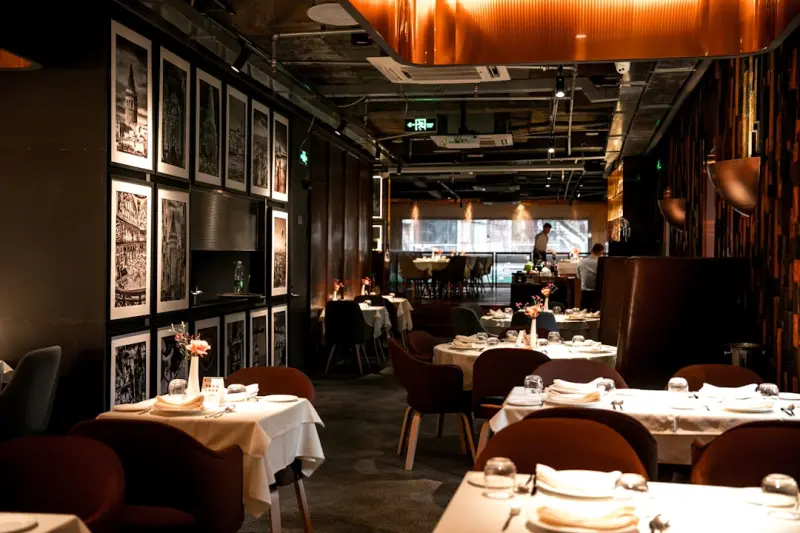
Reimagining the Chef’s Table: From Secret Booth to Interactive Stage
Discover the transformation of the chef’s table into an interactive performance, where design, sto... Read More
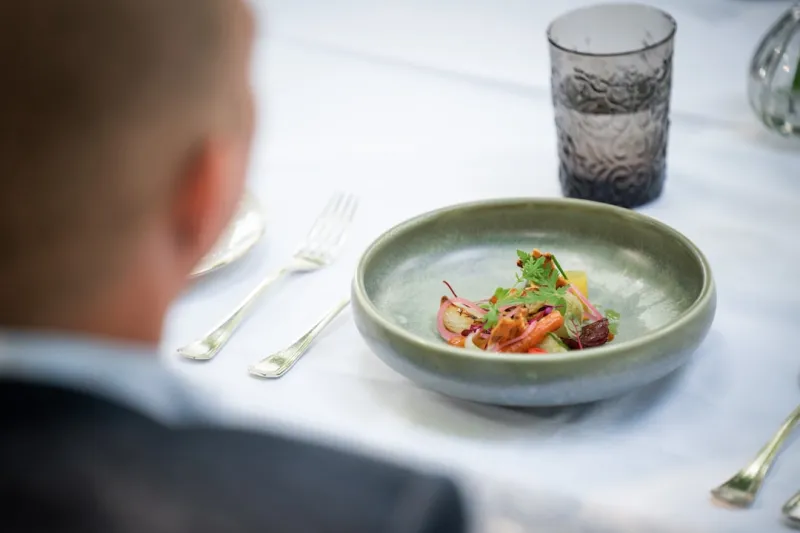
Fine Dining 2026: The Sensory Storytelling Revolution
Fine dining in 2026 has become an immersive, story‑driven experience, blending flavor, sustainabil... Read More
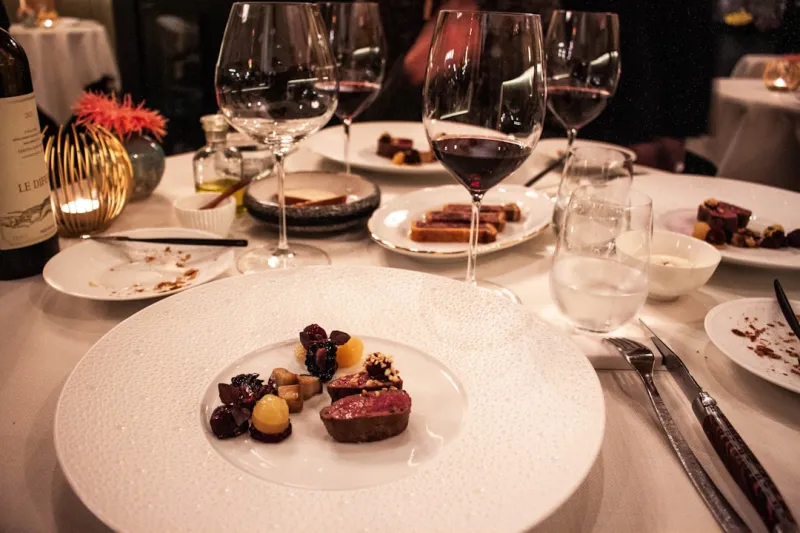
The Art of Exceptional Fine Dining: A Journey of Passion and Excellence
Fine dining is a lifelong passion that elevates the senses and creates unforgettable experiences. Jo... Read More
Top Posts
The Best Restaurants of 2026: A Flavor‑First Journey Through Story and Innovation
Explore 2026’s top eateries that blend narrative storytelling, cutting‑edge tech, and flavor‑first cuisine for a truly immersive dining adventure....Read More
The Art of Dining: How Every Plate Tells a Story
Discover why today’s top chefs craft meals as narratives, how ambiance amplifies flavor stories, and where to find the most compelling narrative dining experi...Read More
The Secret Rise of Pop‑Up Fine Dining: How Fleeting Feasts Are Redefining Luxury
Discover the allure of pop‑up fine dining—ephemeral venues, storytelling menus, and sustainable practices—reshaping luxury cuisine for adventurous diners....Read More
Zero‑Waste Restaurants: Turning Scraps Into Signature Dishes
Explore the rise of zero‑waste restaurants that turn every peel and stem into a signature dish, delighting guests while cutting costs and carbon footprints....Read More
0 Comments
Post Comment
You will need to Login or Register to comment on this post!