
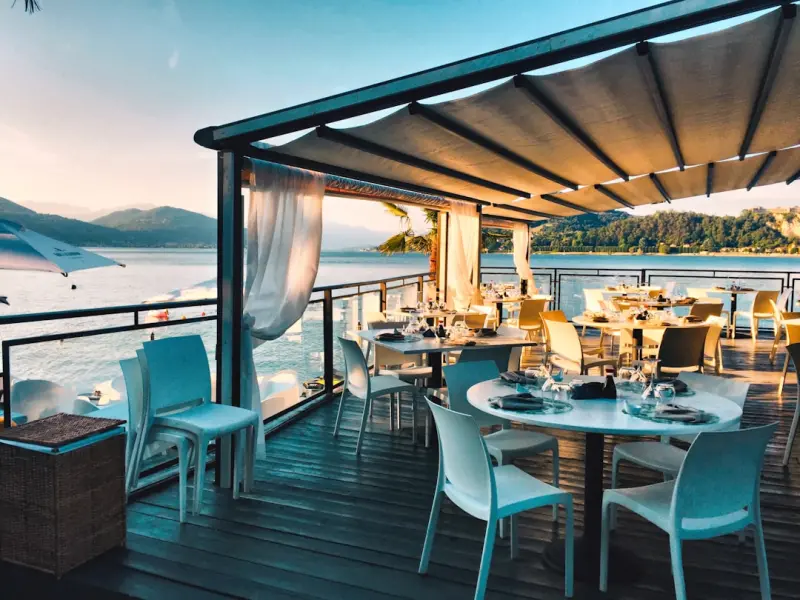
The Hidden Canvas: How Tableware is Shaping Modern Fine Dining
When I walk into a Michelin‑starred room, the first thing that catches my eye isn’t the garnish on the plate but the vessel holding it. Designers are now treating plates, bowls, and even glassware as extensions of the chef’s imagination, turning a simple dinner into an immersive visual experience. The textures of a handcrafted ceramic bowl can echo the earthy notes of a beet‑reduced broth, while a sleek, mirrored platter amplifies the sparkle of a citrus‑infused foam. This synergy between food and form forces diners to engage not just with taste, but with sight and touch, creating a multi‑layered narrative that lingers long after the last bite. In this evolving landscape, the artistry of tableware is as vital as the ingredients themselves, redefining what we consider “presentation.”
From Porcelain to 3D‑Printed Marvels: Materials That Tell a Story
Historically, fine dining relied on classic porcelain and fine bone china, symbols of elegance and tradition. Today, avant‑garde kitchens are swapping these timeless pieces for bio‑resin, reclaimed wood, and even edible plates crafted from seaweed. These material choices do more than impress; they signal a restaurant’s commitment to sustainability, innovation, or cultural homage. A dish served on a reclaimed‑oak slab might whisper of the forest where its ingredients were foraged, while a translucent, algae‑based plate subtly reinforces a marine‑focused menu. The tactile feedback—coolness of stone, softness of paper‑thin rice—adds another dimension to the dining ritual, inviting guests to contemplate the origins of their food in a tangible way.
Color Theory at the Table: Manipulating Mood Through Dishware
Just as lighting can turn a night into a romance, the hue of a plate can coax the palate into new territories. Warm amber tones coax diners to perceive sweetness, while deep indigo can accentuate bitter or umami flavors. Chefs are collaborating with color psychologists to curate palettes that complement their culinary intentions. A bright yellow ceramic can amplify citrusy notes in a ceviche, whereas a muted slate background lets a ruby‑red beet reduction command the spotlight. By orchestrating color deliberately, restaurants guide emotional responses, making each course feel like a carefully staged act in a larger theatrical performance.
Interactive Surfaces: When Plates Become Playgrounds
Imagine a plate that changes temperature as you eat, or a surface that releases subtle aromatics when brushed. Interactive tableware is no longer science fiction; it’s being piloted in a handful of cutting‑edge establishments. Heat‑responsive glaze can keep a delicate soufflé warm just long enough for the perfect rise, while scent‑infused liners release rosemary mist when a steak is sliced. These subtle tricks heighten anticipation, turning the act of eating into an exploratory game. The result is a heightened awareness of each element, reinforcing the chef’s narrative without uttering a single word.
Collaborative Creations: When Designers and Chefs Co‑Create Menus
In many top‑tier restaurants, the kitchen and design studio now share the same brainstorming table. This cross‑disciplinary partnership means that a dish’s conception begins with both flavor profile and vessel shape in mind. A chef might develop a broth that pools in a concave depression, highlighting its depth, while a designer ensures the curve also catches light in a way that accentuates the broth’s amber glow. The outcome is a seamless marriage of form and function, where the plate isn’t an afterthought but a co‑author of the dish’s story. Such collaborations are reshaping the very definition of a “menu” into a multi‑sensory manuscript.
Elevating Accessibility: Inclusive Design in Fine Dining Tableware
Luxury should never be exclusive to the sighted or able‑bodied. Forward‑thinking establishments are redesigning their tableware to accommodate diners with visual impairments, dysphagia, or sensory sensitivities. High‑contrast plates help those with low vision differentiate between foods, while textured surfaces can guide a fork’s placement for guests with reduced motor control. Even the acoustic properties of a dish—how it sounds when a spoon taps—are being calibrated to provide subtle feedback for the blind. By embedding accessibility into the very fabric of their service, restaurants broaden their appeal while reinforcing a culture of thoughtful hospitality.
Seasonal Sync: Aligning Tableware with Harvest Cycles
Just as chefs follow the farmer’s calendar, some visionary restaurants are syncing their plate selections with seasonal shifts. In spring, light, pastel‑toned porcelain mirrors the emergence of fresh greens; in autumn, deep rusted copper dishes echo the earthiness of root vegetables. This visual echo amplifies the connection between plate and plate‑origin, making the dining experience feel like an extension of the natural world. When guests see the season reflected not only in the menu but also in the very vessels, the meal becomes a celebration of time’s passage, grounding each bite in a larger environmental narrative.
Technology Meets Tradition: Smart Tableware in the Fine Dining Arena
While many restaurants are already exploring AI and immersive tech, a subtler trend is emerging: smart tableware that communicates with the kitchen. Embedded sensors can detect temperature, weight, or even the chemical composition of a dish, sending real‑time data to chefs who can adjust seasoning on the fly. This feedback loop ensures consistency across service and allows for personalized tweaks for each guest. The technology remains invisible to diners, preserving the handcrafted aura while delivering precision that would be impossible by human hands alone. It’s a quiet revolution that marries the old world’s reverence for craft with the new world’s data‑driven excellence.
Curating the Narrative: How Tableware Influences Storytelling Without Words
Every element on a fine‑dining table contributes to the larger narrative the chef wishes to convey. A cracked, hand‑thrown bowl might suggest rustic imperfection, complementing a dish that celebrates imperfect, heirloom vegetables. Conversely, a flawless crystal goblet can elevate a cocktail into a moment of refined celebration. By deliberately choosing each vessel, restaurateurs guide guests through an emotional journey, turning a sequence of courses into chapters of a story. The table becomes a stage, the plates the props, and the diners the audience, all co‑creating an unforgettable tale that transcends the palate.
Future Horizons: The Next Generation of Tableware in Fine Dining
Looking ahead, the possibilities seem limitless. Imagine biodegradable plates that dissolve into a fragrant tea after the dessert, or modular dishes that reconfigure to present multiple components in a single, elegant structure. Designers are experimenting with light‑emitting ceramics that glow in sync with the wine’s bouquet, while chefs are testing flavor‑infused glazes that dissolve gradually, altering taste profiles mid‑bite. As sustainability, technology, and artistry converge, the humble plate will continue to evolve from a passive carrier to an active participant in the culinary conversation. The future of fine dining will be defined not just by what’s on the plate, but by the plate itself.

Becky Putman is an Ottawa-based freelance writer and marketing professional with a passion for storytelling, animals, and community involvement. She enjoys creating engaging content that informs, inspires, and connects with readers.
Related Posts
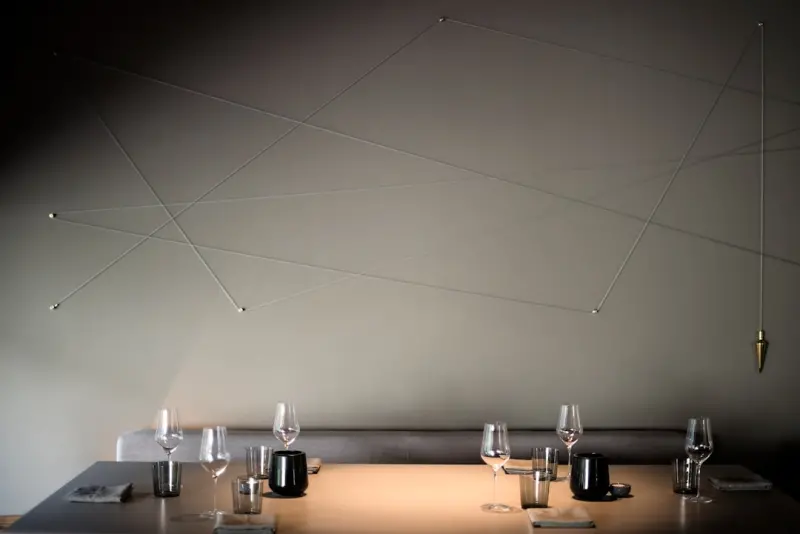
Illuminating Fine Dining: How Light Shapes Flavor, Mood, and Memory
Explore the subtle power of light in fine dining—how illumination can amplify flavors, set the moo... Read More

Cross‑Cultural Storytelling: How Global Fusion Is Transforming Fine Dining
Explore the rise of global fusion in fine dining, where chefs use personal heritage, cross‑contine... Read More
Reviving Forgotten Techniques: Heritage Cooking Takes Center Stage in Fine Dining
Chefs are breathing new life into ancient cooking methods, creating a fine‑dining experience that ... Read More
Top Posts

Scent and Sophistication: The Hidden Layer Elevating Fine Dining
Explore the invisible power of scent in fine dining, how chefs craft aromatic atmospheres, and what the future holds for personalized perfume‑paired meals....Read More
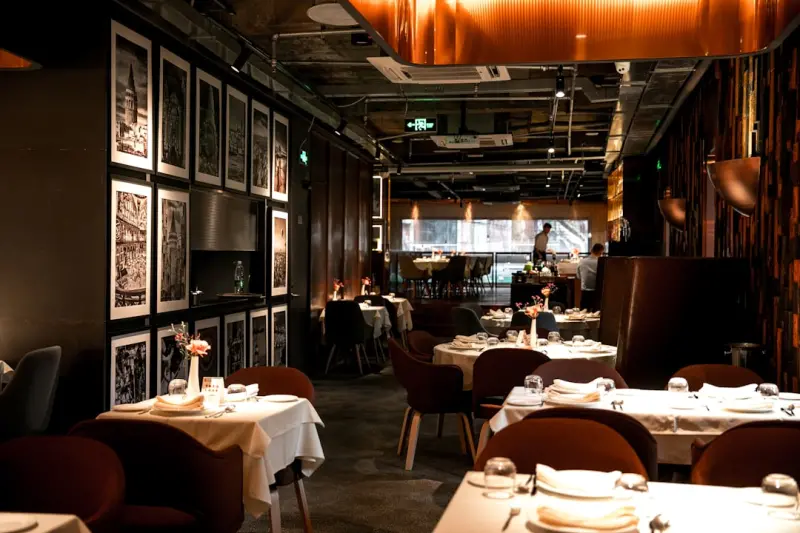
When Pixels Meet Palates: Augmented Reality Elevates Fine Dining
Explore the rise of AR in fine dining, where holographic plates, interactive wine pairings, and sustainable storytelling transform meals into immersive, collabo...Read More
The Pop‑Up Revolution: How Temporary Restaurants Are Redefining Culinary Adventure
Discover why pop‑up eateries are the hottest trend, offering seasonal storytelling, community‑crafted menus, and innovative loyalty perks that turn every me...Read More
The Art of Fine Dining: A Lifelong Passion
Join Rose DesRochers on a journey through the world of fine dining, where every meal is a masterpiece of flavors, textures, and presentation....Read More
0 Comments
Post Comment
You will need to Login or Register to comment on this post!