
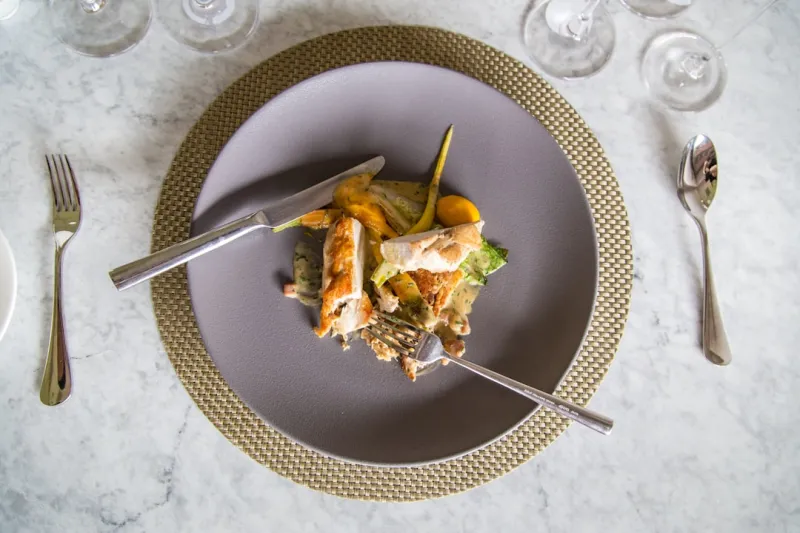
Why Fine Dining Is Becoming a Storytelling Medium
When I first stepped into a dimly lit dining room where the menu read like a novel, I realized that fine dining is no longer just about taste—it is an immersive narrative experience. The chef becomes a playwright, the ingredients become characters, and the plating becomes the stage set for a fleeting drama that unfolds on the palate. In this space, every course is a chapter, each garnish a punctuation mark, and the final dessert a lingering epilogue that stays with you long after the bill is paid. The shift from mere sustenance to purposeful storytelling has transformed the way we evaluate restaurants, and it’s why I now judge a meal as much by its plot twists as by its flavors.
The Hidden Narrative Behind Every Plate
Behind the elegant presentation lies a meticulous backstory that chefs craft with the same care a novelist gives to world‑building. For example, a seaweed‑infused broth might reference a childhood spent on a coastal farm, while a smoked beet reduction could echo a pilgrimage through ancient forests. This intentional layering of meaning turns a simple bite into a conversation between the diner and the creator. If you’re curious about how these layers are woven together, check out The Secret Narrative Behind Every Fine‑Dining Plate, where I dissect the subtle cues that transform a dish from edible art to narrative gold.
Chefs as Narrative Architects
In the realm of narrative dining, chefs assume the role of architects, designing not just flavors but arcs that guide emotions. They draft a “storyboard” in the test kitchen, mapping the rise and fall of intensity much like a composer arranges a symphony’s crescendo. When a chef chooses to pair a bitter herb with a sweet glaze, the contrast mirrors a plot twist that keeps the audience—our taste buds—on edge. For a deeper dive into how this storytelling translates onto the plate, read The Art of Storytelling on a Plate, where I explore the choreography behind each course.
The Ambiance That Sets the Scene
The physical environment acts as the backdrop, setting the tone for the culinary narrative in the same way a theater’s lighting cues the mood of a play. Subtle details—a hushed piano melody, reclaimed‑wood tables, or a wall of living herbs—serve as visual metaphors that echo the story being served. When the lighting dimmed just as the amuse‑bouche arrived, I felt the anticipation of a prologue, a promise that the ensuing chapters would be worth every second of wait. This harmony between space and sustenance is what distinguishes a memorable dinner from a routine one.
Service as the Unseen Narrator
Servers are the unsung narrators, guiding diners through the plot with timing, tone, and tactile cues. A well‑trained maître d’ knows when to pause for contemplation after a complex palate cleanser, allowing the story to settle before the next act begins. Their descriptions are not mere explanations; they are concise prologues that frame each dish’s intention, inviting guests to engage with the chef’s vision. When a server whispers, “This sauce is a tribute to sunrise over the vineyards,” it instantly adds a sensory layer that transcends the plate itself.
Emotional Resonance and Lasting Memory
The ultimate goal of narrative dining is to forge an emotional connection that lingers like a favorite book’s ending. A well‑crafted culinary story can evoke nostalgia, curiosity, or even catharsis, turning a simple night out into a personal milestone. After the final spoonful of caramelized citrus sorbet, I found myself reflecting on the entire journey, recalling the scent of fresh rosemary that opened the first course and the quiet hum of the cellar that underscored the main. These sensory breadcrumbs ensure the experience stays vivid in our memory banks, prompting us to share the tale with friends and social feeds alike.
The Future: Technology Meets Tale‑Tasting
As diners increasingly crave immersive experiences, technology is poised to amplify the narrative potential of fine dining. Augmented reality menus could project visual storyboards onto the table, while subtle scent diffusers might reinforce a dish’s backstory. Imagine a dish inspired by a rainy night in Tokyo accompanied by a light mist and distant street sounds, seamlessly merging the senses into a single, cohesive narrative. The industry’s evolution toward this multisensory storytelling is already hinted at in The Ultimate Guide to the Best Restaurants That Turn Meals Into Stories, where I profile pioneers blending cuisine with digital artistry.
Wrapping Up the Narrative Feast
Fine dining today is a collaborative storytelling venture where chefs, spaces, and servers co‑author an unforgettable saga for each guest. By appreciating the intentional layers—flavor, design, ambiance, and service—you become an active participant rather than a passive consumer. The next time you reserve a table at a restaurant that promises a “journey,” remember to listen for the whispers in the broth, the pauses between courses, and the subtle cues that turn each bite into a plot point. Your palate, like a well‑trained reader, will reward you with a richer, more meaningful experience that extends far beyond the final check.

Becky Putman is an Ottawa-based freelance writer and marketing professional with a passion for storytelling, animals, and community involvement. She enjoys creating engaging content that informs, inspires, and connects with readers.
Related Posts
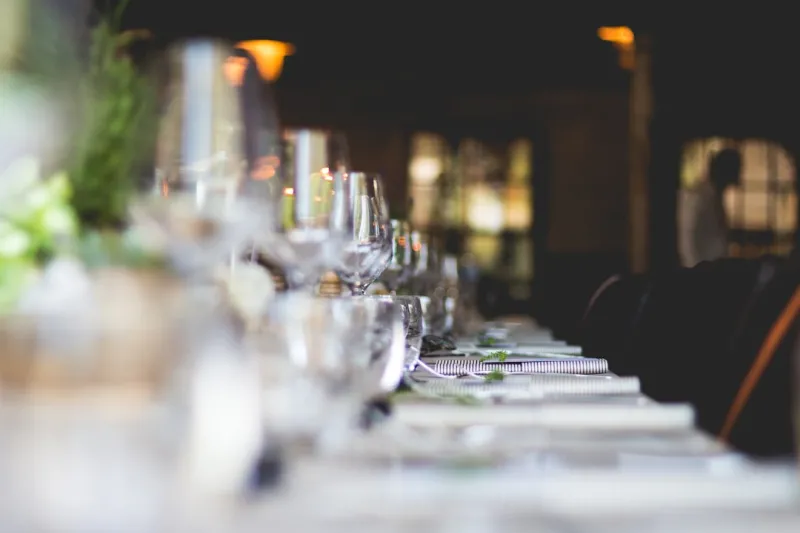
When Fine Dining Becomes a Storytelling Feast
A personal journey through fine‑dining reveals how chefs turn plates into stories, engaging every ... Read More
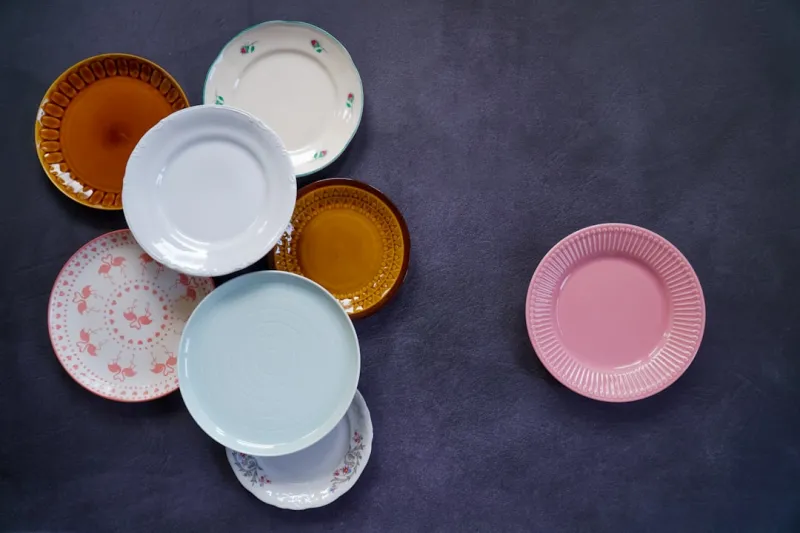
When a Plate Becomes a Story: The Fine‑Dining Evolution
Explore the rise of narrative dining, where chefs turn plates into stories, crafting immersive exper... Read More
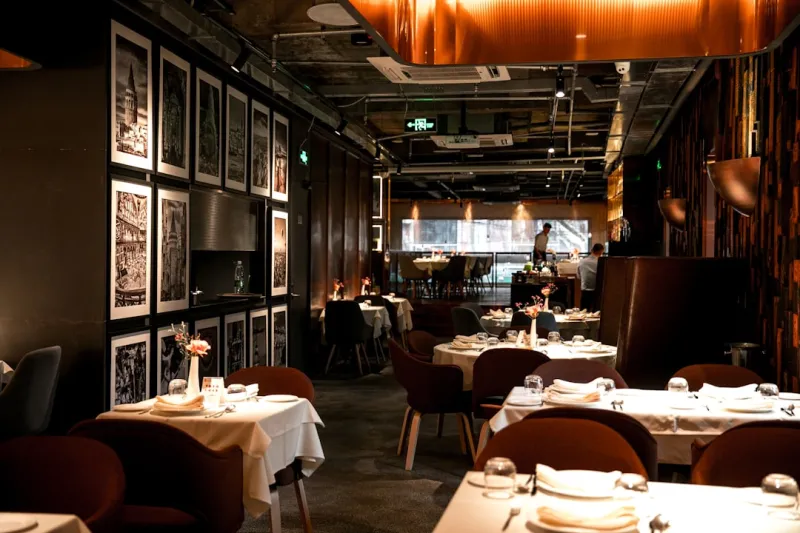
The Art of Narrative Dining: How Fine Restaurants Turn Meals into Stories
Fine dining is no longer just about taste; it's becoming a multisensory narrative where chefs, desig... Read More
Top Posts
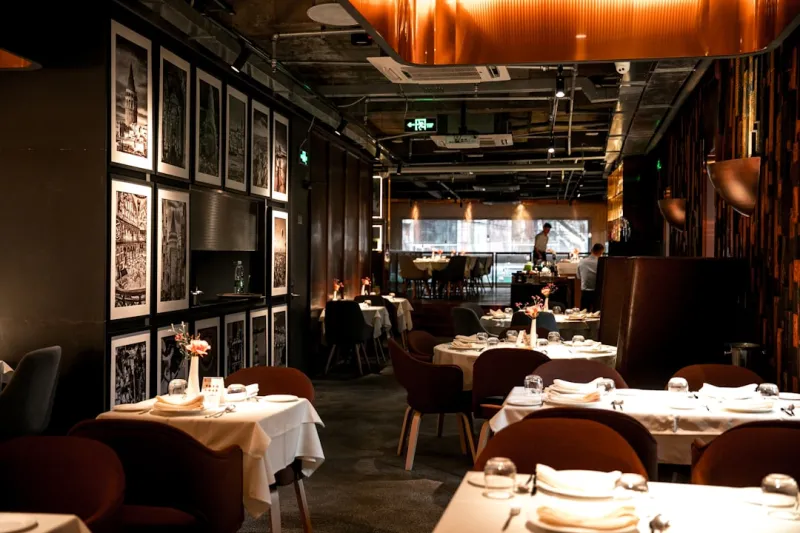
The Ultimate Guide to the Best Restaurants That Turn Meals Into Stories
Explore the best restaurants that transform meals into stories, offering immersive, sensory dining experiences that linger long after the last bite....Read More
Flavor‑First Adventures: 2026 Restaurant Roadmap
A personal, flavor‑first tour of 2026’s hottest restaurants, revealing storytelling dishes, sensory innovation, and the must‑try spots for any food lover....Read More

When a Plate Tells a Story: Inside the Hottest Restaurants
Discover the rise of narrative dining where chefs craft meals as stories, blending flavor, aroma, and visual art to create unforgettable experiences that linger...Read More
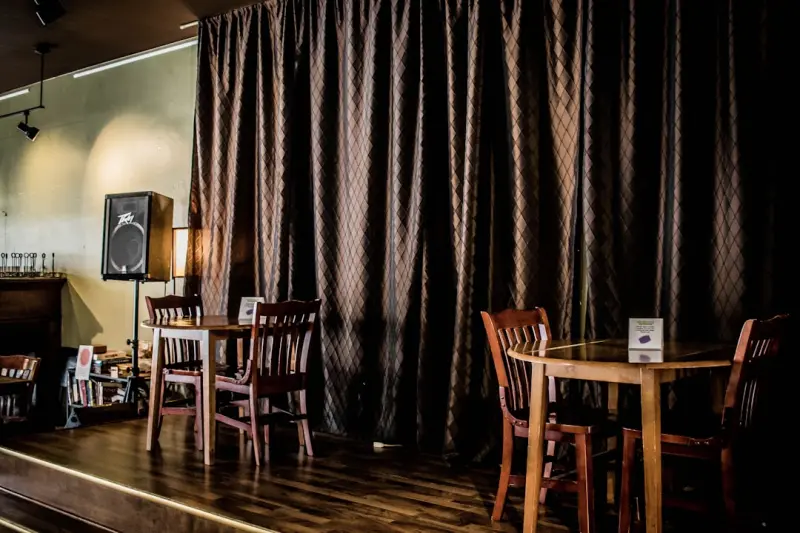
When a Restaurant Becomes a Storytelling Stage
Discover the art of narrative dining, where chefs craft each course like a chapter, turning meals into stories that linger long after the last bite....Read More
0 Comments
Post Comment
You will need to Login or Register to comment on this post!