
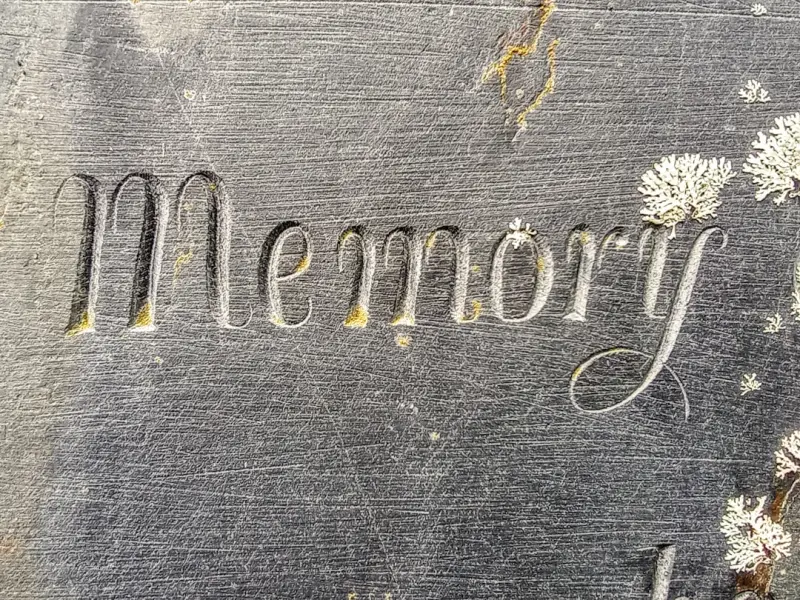
Why Memory Matters More Than Menu Trends in Fine Dining
When I first stepped into a dimly lit tasting room in the heart of the city, the scent of smoked cedar and the soft murmur of conversations instantly tugged at a memory of my grandmother’s kitchen, where stories were served alongside stew; that moment reminded me that fine dining is not merely about the precision of a plated dish but about the invisible thread that ties a present experience to a past feeling, and it is this thread that has guided my most cherished restaurant visits. Over the years I have learned that the most unforgettable meals are those that awaken a personal archive of aromas, textures, and emotions, turning a simple reservation into a pilgrimage of recollection. In my writing, I now treat each course as a chapter in a memoir, seeking restaurants that understand that a chef’s inspiration often originates from the very moments that shaped their own palate.
The Power of Sensory Recall: Beyond Visual Presentation
Even before the first bite arrives, the tactile sensation of a cold marble table, the gentle clink of crystal glasses, and the subtle flicker of candlelight can summon a childhood scene of holiday feasts, proving that the visual and tactile design of a restaurant is a catalyst for memory activation, a concept I explore whenever I critique a space that neglects this subtlety. While many establishments focus on Instagram‑ready plating, I argue that true sensory storytelling must engage the full body, allowing diners to feel the weight of a silver fork as if they were holding a family heirloom passed down through generations. This holistic approach is why I gravitate toward venues that pair their culinary ambitions with intentional interior details, ensuring that every element works in harmony to trigger a personal reverie.
Chef‑Led Narratives: Turning Personal History into Plate Poetry
During a recent dinner with a chef who grew up on a coastal farm, I discovered that his signature seaweed‑infused risotto was not a trendy garnish but a homage to the salty breezes that once rustled through his parents’ garden, illustrating how chefs often embed fragments of their upbringing into each bite, turning a menu into a living autobiography. By inviting diners into these intimate stories, the chef transforms a seemingly ordinary ingredient into a portal to his past, inviting us to taste the essence of his childhood beach walks and the harvest rituals that defined his family’s rhythm. This narrative depth is what distinguishes a meal that merely satisfies from one that resonates, and it fuels my belief that fine dining should celebrate the chef’s personal lineage as much as it celebrates technique.
Wine Pairings as Time Machines: Sipping Through Memory Lanes
My most vivid dining recollection involves a glass of aged Riesling that, with its crisp acidity and honeyed undertones, instantly recalled summer evenings spent chasing fireflies in a meadow, proving that a thoughtful wine pairing can serve as a time‑travel conduit, transporting the palate to a moment long ago while complementing the flavors on the plate. When a sommelier selects a vintage that mirrors a diner’s cherished experience—perhaps a Bordeaux reminiscent of a family reunion in a vineyard—the act becomes collaborative storytelling, where the bottle narrates its own chapter alongside the chef’s culinary prose. This synergy between wine and memory underscores why I champion restaurants that train their staff to ask subtle questions about a guest’s past, allowing the glass to become a bridge between the present table and personal history.
Conversational Service: Listening to the Guest’s Story
In my experience, servers who treat the interaction as a genuine dialogue rather than a scripted exchange unlock a deeper level of hospitality, as they can subtly steer the meal toward elements that echo a guest’s memories, a principle I have observed in establishments that excel at conversational service. By attentively noting a diner’s remarks—such as a mention of a beloved childhood pastry or a favorite travel destination—waitstaff can recommend a dish or wine that resonates on an emotional level, turning a simple recommendation into a personalized narrative thread. This attentive approach not only enhances satisfaction but also cultivates loyalty, because guests leave feeling seen, heard, and connected to the story the restaurant is quietly weaving for them.
Designing for Memory: The Role of Tableware and Space
Just as a photograph can freeze a moment, the choice of plate, cutlery, and even the shape of the dining room can preserve a memory, making the act of eating a multisensory archive that diners revisit long after the last course has been cleared. When a restaurant opts for handcrafted ceramics with subtle, uneven glazes, it evokes the imperfect beauty of heirloom dishes passed down through generations, inviting guests to associate the tactile feel with warm familial gatherings. By curating these physical cues, establishments create a backdrop where the food’s flavors are amplified by the subconscious recall of cherished moments, reinforcing my belief that fine dining thrives when design and cuisine collaborate to nurture memory.
Global Inspirations Rooted in Personal Roots
While many chefs draw upon exotic locales to intrigue diners, the most compelling journeys are those where international flavors are filtered through the chef’s own cultural lens, resulting in dishes that feel both adventurous and intimately familiar, a balance I admire in restaurants that champion global culinary journeys anchored in personal narrative. For instance, a sushi roll infused with a hint of smoked paprika can reflect a chef’s upbringing in a Mediterranean town, merging two worlds into a harmonious bite that tells a story of migration, adaptation, and memory. These hybrid creations remind diners that travel is not just about geography but about the emotional maps we carry, and they invite us to taste the convergence of distant lands with the comfort of familiar reminiscence.
Mindful Moments: Slowing Down to Savor the Past
In today’s fast‑paced world, the act of pausing between courses to reflect on the flavors and the feelings they evoke is a radical form of self‑care, allowing diners to fully inhabit the memories that surface with each spoonful, a practice I encourage whenever I write about the therapeutic potential of a well‑crafted meal. By intentionally spacing the progression of a tasting menu, chefs give guests the space to mentally catalog the sensory impressions, turning the dining experience into a meditative archive that can be revisited in the mind’s eye long after the meal concludes. This deliberate pacing not only elevates the culinary narrative but also reinforces the idea that fine dining can serve as a sanctuary for recollection, where the present moment is enriched by the echoes of the past.
Conclusion: Curating Your Own Culinary Memory Bank
Ultimately, the most resonant fine‑dining experiences are those that invite us to become active participants in a memory‑making process, where every scent, texture, and story is purposefully designed to linger long after the check is settled, and I find myself returning to restaurants that master this art of emotional alchemy. By seeking venues that prioritize personal storytelling—whether through chef‑driven narratives, thoughtful wine pairings, or conversational service—I have built a personal anthology of meals that feel like cherished chapters in my life’s story. I encourage fellow diners to approach each reservation as an opportunity to add a new page to their own culinary memory bank, because the true luxury of fine dining lies not only in exquisite taste but in the lasting imprint it leaves on our hearts.

Becky Putman is an Ottawa-based freelance writer and marketing professional with a passion for storytelling, animals, and community involvement. She enjoys creating engaging content that informs, inspires, and connects with readers.
Related Posts

Redefining Service: The Subtle Art of Intuitive Fine Dining
Discover the quiet revolution in fine‑dining service, where intuitive pacing, personalized hospita... Read More

AI & Immersive Tech: The New Frontier of Fine Dining
Fine dining is stepping into the digital age, where AI curates tasting menus, AR adds layers of narr... Read More

When a Meal Becomes a Narrative Adventure
Fine dining isn’t just food—it’s a narrative adventure. Explore how ambience, menus, and servi... Read More
Top Posts
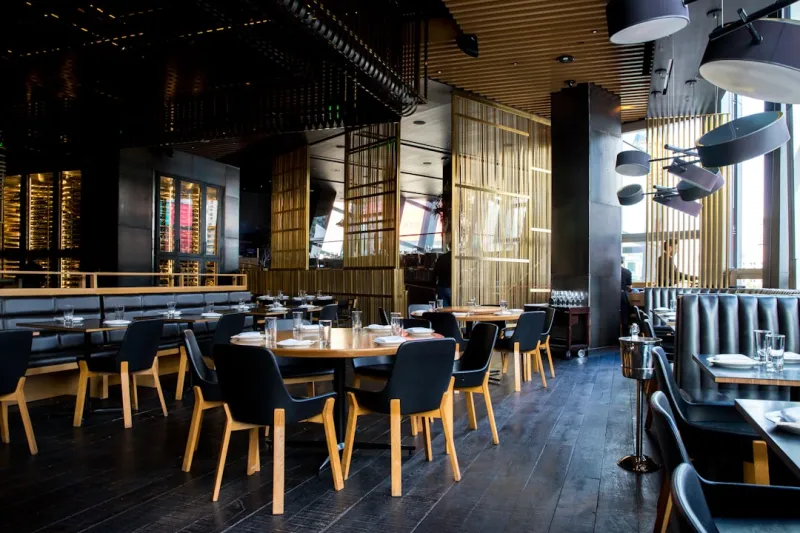
The Best Restaurants That Turn Dining Into a Storytelling Experience
Explore the hottest restaurants that turn meals into memorable stories, blending cuisine, ambiance, and storytelling for a truly immersive dining adventure....Read More
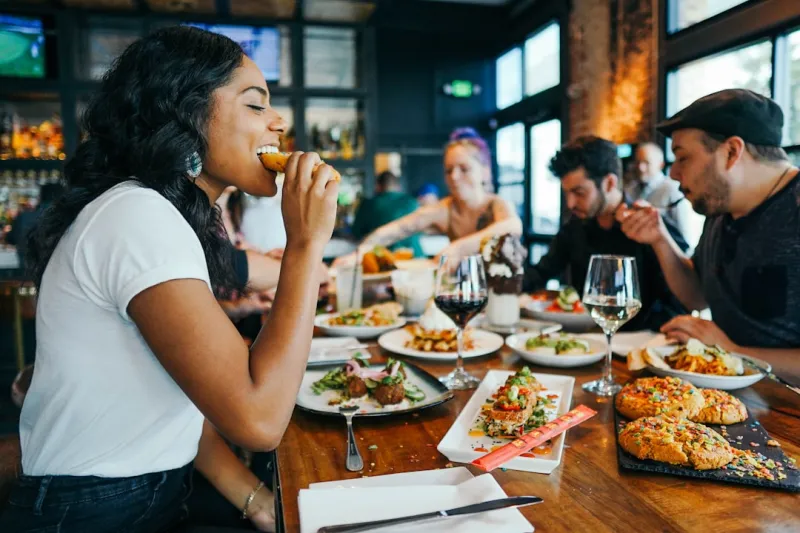
When a Restaurant Becomes a Storytelling Playground
Explore the rise of story‑driven restaurants, where chefs craft menus as chapters, ambience becomes a backdrop, and every bite feels like turning a page in a ...Read More
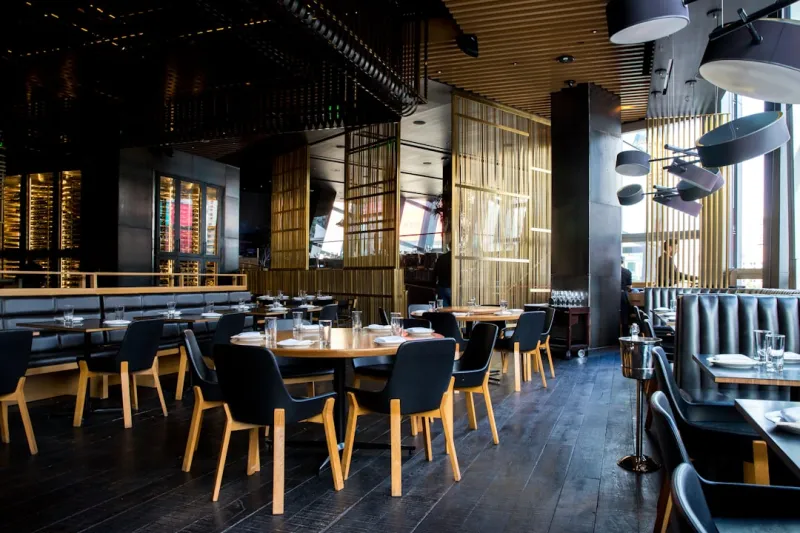
The Hunt for Restaurants That Turn Meals Into Stories
Dive into a foodie’s quest for restaurants where every bite tells a story, blending ambience, chef creativity, and seasonal narratives into unforgettable meal...Read More
How Music Transforms the Restaurant Experience
Explore the power of playlists in dining, from scientific insights to real‑world case studies, and learn how restaurants can use music to elevate flavor and g...Read More
0 Comments
Post Comment
You will need to Login or Register to comment on this post!