
The Rise of Narrative Fine Dining
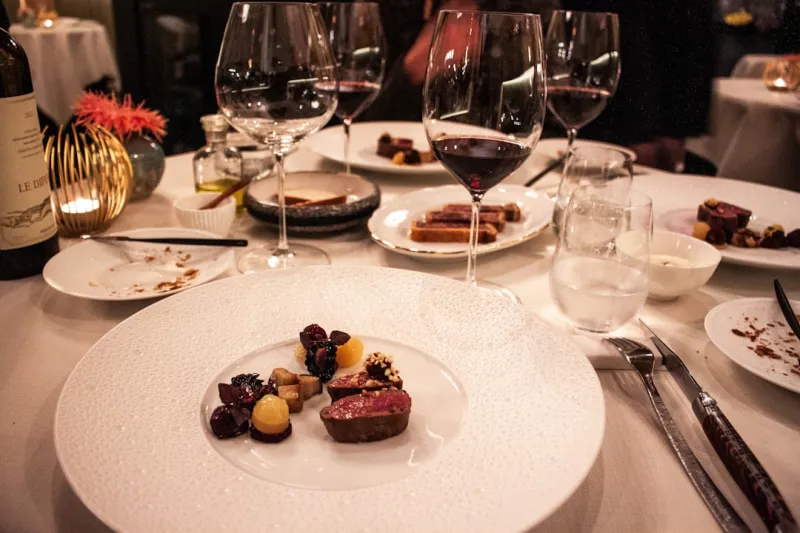
In recent months the fine‑dining scene has transformed from a mere showcase of technique into a storytelling playground where each course whispers a chapter of an unseen tale, and I find myself drawn to the subtle choreography of flavor and narrative that chefs now design with the precision of novelists. The shift began quietly, as chefs started to think beyond plating aesthetics, weaving cultural myths, personal histories, and even literary references into the very structure of their menus, turning dinner into an immersive experience that feels both intimate and grand. I’ve witnessed this evolution first‑hand at restaurants that treat the diner not just as a consumer but as a protagonist, and my curiosity pushes me to explore how this movement redefines what we expect from a night out.
Why Storytelling Matters on the Plate
When a chef crafts a dish, the ingredients are no longer isolated elements; they become symbols that convey emotion, memory, and place, turning the palate into a canvas where stories are painted bite by bite. This approach resonates deeply with diners who crave connection, and it explains why venues highlighted in When a Plate Becomes a Story: Fine Dining Through a Narrative Lens have sparked conversations that extend far beyond the restaurant walls. By embedding narrative arcs into the progression of flavors, chefs invite us to travel through time and geography without leaving our seat, making each meal an unforgettable chapter in a personal culinary diary.
Crafting the Narrative Menu
The architecture of a story‑driven menu mirrors the structure of a well‑written novel: an opening that sets the tone, rising tension through contrasting textures, a climax of peak intensity, and a graceful resolution that leaves lingering aftertaste and reflection. Chefs often begin with a “prologue” of amuse‑bouches that hint at the themes to come, then guide the diner through courses that each represent a distinct act, employing techniques like deconstruction, juxtaposition, and seasonal storytelling to keep the experience dynamic. This deliberate pacing not only showcases culinary skill but also honors the guest’s emotional journey, making the dinner feel like a curated performance rather than a simple sequence of dishes.
Finding the Hidden Storytelling Gems
While headline‑grabbing establishments dominate headlines, the true treasures of narrative fine dining often hide in modest, unassuming spaces where chefs experiment without the pressure of Michelin stars. My hunt has led me to intimate bistros that treat their menus like short stories, each plate accompanied by a handwritten note describing its inspiration, and to pop‑up experiences that change themes monthly, turning repeat visits into a serialized adventure. Resources such as The Best Restaurants That Turn Meals Into Stories are invaluable for uncovering these pockets of creativity, offering curated lists that point food lovers toward venues where imagination meets gastronomy.
How to Prepare for a Narrative Meal
Approaching a story‑centric dinner requires a mindset shift: arrive with an open heart, a willingness to be surprised, and an appetite for both flavor and meaning. I always recommend reading the restaurant’s background beforehand, noting any cultural references or artistic collaborations that might inform the dishes, and arriving with a notebook or a mental space to capture the moments that stand out. Engaging with the staff, especially the front‑of‑house storytellers who often act as guides, enriches the experience, turning a simple order into a dialogue that deepens the emotional resonance of each bite.
Signature Moments That Stay With You
Some courses become unforgettable not solely because of taste but because of the context they create—a smoky dome that lifts to reveal a miniature forest, a dessert that arrives on a miniature stage with a soft light flickering like candlelight in a distant memory. These theatrical elements elevate the meal into an immersive art installation, where the senses intertwine and the narrative unfolds in real time. I recall a tasting menu where a broth was served in a glass that cracked open to release aromatic herbs, symbolizing the breaking of winter’s hold and the promise of spring, an elegant metaphor that lingered long after the plate was cleared.
Balancing Innovation and Tradition
While the allure of avant‑garde storytelling is undeniable, the most compelling experiences respect the culinary traditions that anchor them, weaving heritage into modern narratives with reverence and creativity. Chefs often reinterpret classic dishes—think a reimagined bouillabaisse that tells the story of a fisherman’s sunrise—using contemporary techniques that highlight the original spirit while adding fresh layers of meaning. This balance ensures that the narrative feels authentic rather than contrived, honoring the roots of the cuisine while inviting diners to view familiar flavors through a new, imaginative lens.
The Impact on the Wider Dining Culture
The ripple effect of narrative fine dining is already reshaping how restaurants across the spectrum approach their menus, encouraging even casual eateries to think about the stories behind their offerings. Social media platforms amplify these experiences, as diners share photos of theatrical plating and snippets of the chef’s commentary, creating a communal narrative that spreads beyond the walls of any single establishment. As more chefs embrace this philosophy, the industry moves toward a future where every meal has the potential to become a memorable story, enriching the cultural fabric of food itself.
Tips for Writing Your Own Food Narrative
For aspiring chefs or home cooks who wish to infuse storytelling into their own creations, start by identifying a personal connection—perhaps a childhood memory, a travel anecdote, or a literary favorite—and let that theme guide ingredient choices, cooking methods, and presentation. Keep the narrative clear but subtle; the story should enhance the dish, not overwhelm it, allowing the palate to discover connections organically. Practice describing each step in vivid, sensory language, and consider pairing dishes with complementary music or lighting to deepen the immersive quality of the experience.
Looking Ahead: The Future of Story‑Driven Fine Dining
As technology advances, we can expect even more innovative ways to blend narrative with cuisine, from augmented‑reality menus that project visual stories onto plates to interactive dining spaces where guests influence the course progression through collective choices. Yet the core of this movement remains unchanged: a desire to connect, to share, and to transform a meal into a moment that resonates emotionally. The journey I continue to embark on, chasing the next story‑laden table, reminds me that fine dining is no longer just about indulgence—it’s about the stories we live, tell, and savor together.

Becky Putman is an Ottawa-based freelance writer and marketing professional with a passion for storytelling, animals, and community involvement. She enjoys creating engaging content that informs, inspires, and connects with readers.
Related Posts
When a Plate Becomes a Story: Fine Dining Through a Narrative Lens
Fine dining isn’t just food; it’s a story on a plate. Discover how chefs, menus, and ambience cr... Read More
When Fine Dining Becomes a Narrative Journey
Fine dining isn’t just food—it’s a story. Dive into the elements that turn plates into narrati... Read More
Fine Dining in 2024: Rose DesRochers’ Vision for Flavor, Story, and Innovation
Rose DesRochers reveals how 2024’s fine dining blends technology, storytelling, sustainability, an... Read More
Top Posts

Becky Putman’s Flavor‑First Tour of the Best Restaurants in 2024
Join Becky Putman as she uncovers 2024’s must‑visit eateries, blending bold flavors, cutting‑edge tech, and sustainable practices into an unforgettable cu...Read More
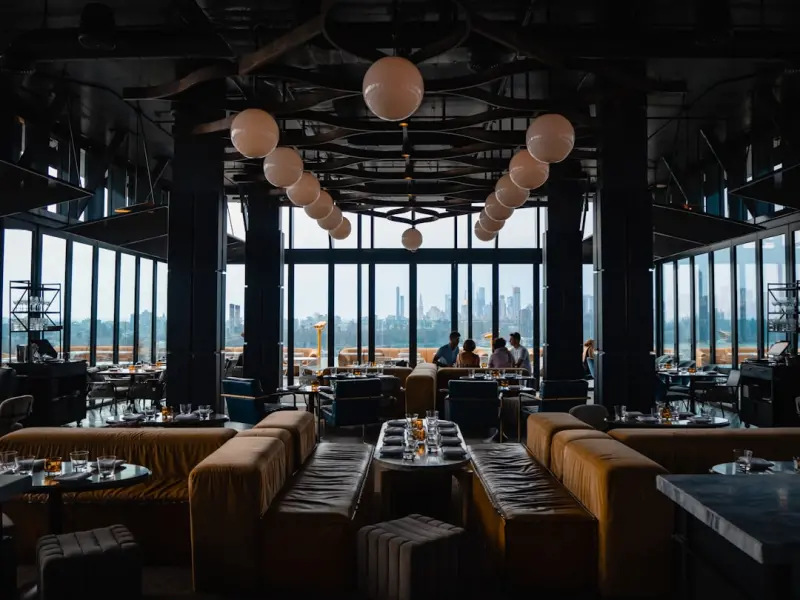
Zero-Waste Wonders: The Best Restaurants Redefining Sustainable Dining
Explore the finest zero-waste eateries where chefs turn scraps into culinary art, rooftop gardens feed the menu, and community partnerships create a sustainable...Read More
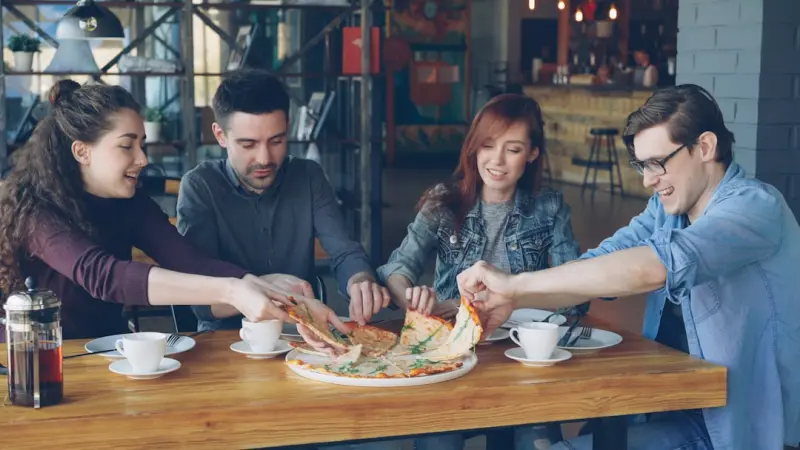
Budget‑Friendly Eats: Top Restaurants Worth the Trip
I’m on a mission to prove great food doesn’t need a premium price tag—join me as I uncover affordable restaurants that deliver bold flavors, creative menu...Read More
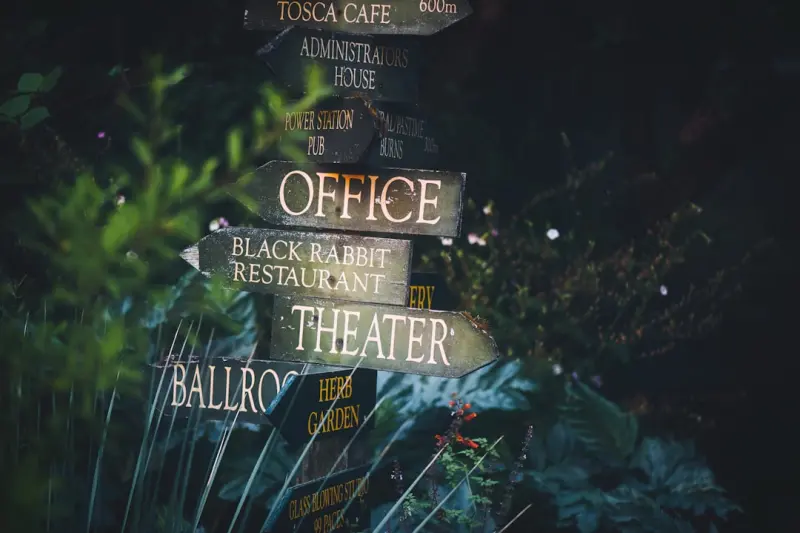
Crafting Narrative Menus: How Storytelling Transforms the Dining Experience
Explore the rise of narrative menus, where chefs become storytellers, turning each course into a chapter that engages the soul and redefines modern dining....Read More
0 Comments
Post Comment
You will need to Login or Register to comment on this post!