

The Conversation Begins at the Door
When I first stepped into a restaurant that greeted me by name and asked about my day, I felt a subtle shift—a personal invitation that went beyond polished silverware and perfectly timed service. Gone are the days when fine‑dining felt like a performance reserved for the elite; today, it’s an intimate dialogue that starts the moment you cross the threshold. The host’s smile becomes a bridge, and the brief exchange about local harvests or a favorite vintage sets a tone of curiosity rather than ceremony. This new approach redefines hospitality, turning each reservation into a story waiting to be co‑authored, and it’s reshaping the expectations of diners who crave authenticity as much as they crave excellence.
From Formality to Familiarity
Historically, fine‑dining thrived on a choreography of deference—white gloves, crisp linens, and a menu delivered with a practiced reverence that kept the kitchen’s secrets locked behind a veil of mystery. Yet, as the culinary world matured, chefs began to see the value in breaking that veil, inviting guests into the creative process rather than keeping them at arm’s length. This evolution mirrors a broader cultural trend: people now seek experiences that feel genuine and relational, not merely impressive. By allowing diners to share their preferences, allergies, or even a nostalgic memory, restaurants can tailor each course with a nuance that feels handcrafted for the individual, turning the act of eating into a collaborative celebration.
Chef‑Guest Dialogues as the New Tasting Menu
The modern chef’s table has transformed from a static showcase into an interactive studio where conversation fuels creativity. Imagine sitting beside the chef as they explain the provenance of a foraged herb, or watching them improvise a sauce based on a guest’s description of a beloved family recipe. This real‑time exchange not only enriches the palate but also builds a lasting emotional connection that lingers long after the dessert plate is cleared. Restaurants that embrace this model often schedule brief “talk‑throughs” before each course, allowing the chef to gauge reactions and adjust flavors on the fly, essentially turning the tasting menu into a living, breathing conversation.
Training Staff to Be Conversationalists
To sustain this shift, front‑of‑house teams must be trained not just in etiquette but in the art of genuine listening. Servers are encouraged to ask open‑ended questions—like “What flavors have you been craving lately?”—and to share anecdotes that reflect the restaurant’s ethos. This approach requires confidence and a deep understanding of the kitchen’s philosophy, so many establishments now run immersive workshops where servers shadow chefs, tasting dishes and learning the stories behind each ingredient. The result is a staff that can seamlessly weave culinary insights into casual dialogue, making every interaction feel like a shared discovery rather than a scripted exchange.
Designing Spaces for Dialogue
Physical layout plays a pivotal role in fostering conversation. Intimate booths, low lighting, and acoustic treatments that soften clatter encourage guests to speak comfortably without raising their voices. Some venues have introduced semi‑private “conversation nooks” where diners can engage with the chef or sommelier without the pressure of a full dining room. These thoughtfully curated environments signal that the restaurant values connection over spectacle, and they invite patrons to linger, ask questions, and even share feedback in the moment, creating a feedback loop that continually refines the dining experience.
Subtle Tech that Enhances, Not Distracts
While the goal is to prioritize human interaction, technology can act as an unobtrusive ally. Tablet‑based menus that allow guests to tap a note about a preferred flavor profile, which then syncs directly to the chef’s station, streamline the exchange without breaking the flow of conversation. Likewise, discreet tabletop devices can display a brief backstory of each ingredient, giving diners a prompt for deeper discussion. The key is to keep the tech invisible, letting it serve the dialogue rather than dominate it, ensuring that the focus remains on the people sharing a meal.
Weaving Narrative Menus into the Conversation
When a dish is presented, it becomes a springboard for storytelling. By linking each plate to a larger story‑driven menus concept, servers can guide guests through a culinary journey that mirrors their own experiences. For instance, a seaweed‑infused consommé might be introduced as “the taste of a sunrise walk along the coast we discovered last summer,” inviting diners to reminisce or imagine. This technique transforms the menu from a static list into a living narrative, where each bite prompts a new layer of conversation.
The Role of Sound in Conversational Flow
Even the soundtrack can subtly influence how guests converse. A carefully curated playlist—soft jazz, ambient strings, or regional folk tunes—creates a backdrop that encourages relaxed dialogue without overwhelming the senses. By aligning the music’s tempo with the pacing of service, restaurants can subtly nudge diners toward a rhythm of speaking and listening that feels natural. For an example of how thoughtful audio choices can shape the atmosphere, see our piece on curated soundtracks that enhance the overall experience.
Case Study: The Whispering Oak
At a boutique restaurant nestled in a historic townhouse, the owner reimagined the dining room as a conversational gallery. Each table features a small “conversation card” prompting guests to share a favorite food memory, which the staff then weaves into the evening’s service narrative. The chef, known for his improvisational style, often pauses to ask diners about the textures they enjoy, adjusting plating on the spot. Guests leave not only with a satisfied palate but also with a feeling of having been heard—a sentiment reflected in the restaurant’s soaring repeat‑visit rate and glowing word‑of‑mouth referrals.
Looking Ahead: The Future of Conversational Hospitality
As diners continue to seek authenticity, the restaurants that will thrive are those that treat conversation as a core component of their brand, not an afterthought. This means investing in staff development, designing spaces that invite dialogue, and leveraging subtle technology to enhance rather than replace human connection. When every interaction feels like a meaningful exchange, fine‑dining transcends the confines of a meal and becomes a memorable chapter in a guest’s personal story. The future, therefore, belongs to establishments that champion the power of a good conversation, turning each reservation into a lasting relationship.

Becky Putman is an Ottawa-based freelance writer and marketing professional with a passion for storytelling, animals, and community involvement. She enjoys creating engaging content that informs, inspires, and connects with readers.
Related Posts
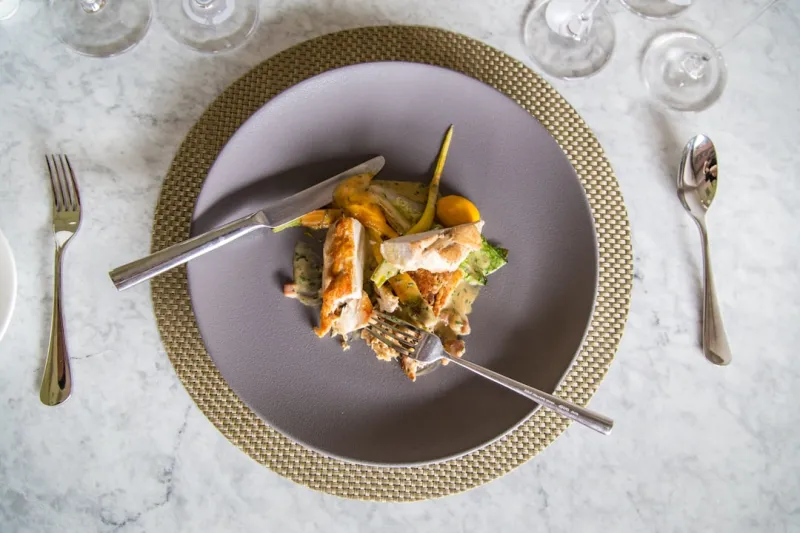
The Art of Storytelling on the Fine‑Dining Plate
Fine dining is evolving into a storytelling feast, where menus read like chapters and chefs act as a... Read More
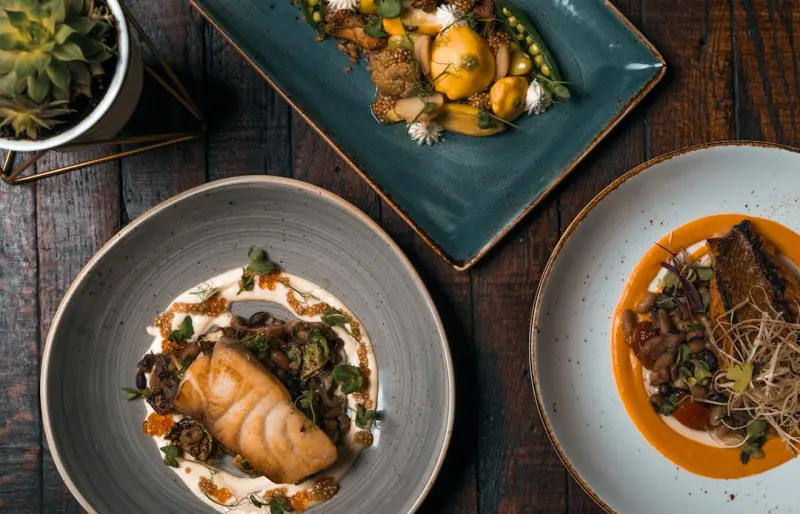
Beyond the Plate: How Tableware Shapes the Fine‑Dining Experience
From porcelain to hand‑blown glass, the art of tableware transforms fine dining, adding narrative ... Read More
The Art of Anticipation: Crafting Culinary Suspense in Fine Dining
Explore the secret techniques chefs use to build anticipation, from subtle sensory cues to perfectly... Read More
Top Posts

Becky Putman's Must‑Try Restaurants of 2024: A Flavor‑First Journey
Join Becky Putman as she uncovers 2024’s most exciting eateries, blending story, flavor, and soul in every bite....Read More
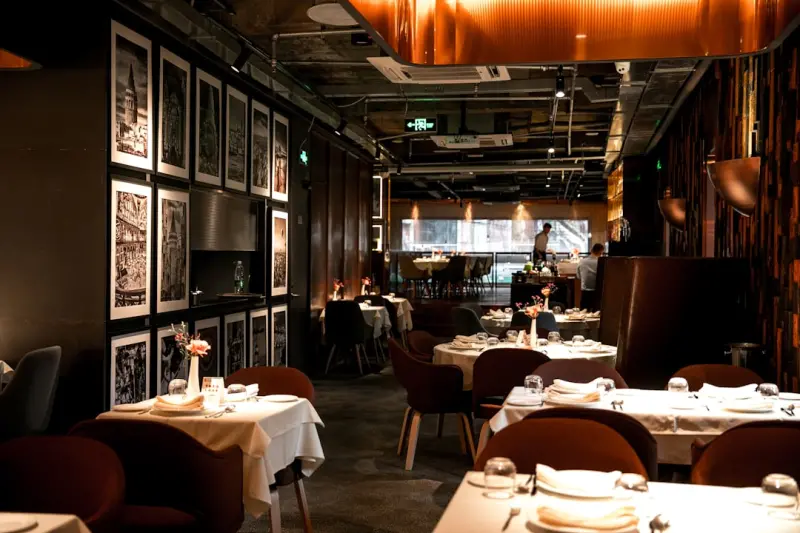
Tech‑Infused Tables: How AI Is Redefining the Best Restaurants
Explore the tech revolution reshaping top restaurants, where AI personalizes menus, automation streamlines kitchens, and data creates unforgettable, tailored di...Read More

Zero‑Waste Luxury: Turning Kitchen Scraps into Fine‑Dining Gold
Explore the rise of zero‑waste fine dining, where every peel, bone, and leaf becomes a star on the plate, merging luxury with sustainability....Read More
Why Intimate Tasting Menus Are Redefining Fine Dining
A deep dive into the quiet revolution of intimate tasting menus, exploring how limited seating, storytelling plates, and curated drinks create unforgettable fin...Read More
0 Comments
Post Comment
You will need to Login or Register to comment on this post!