
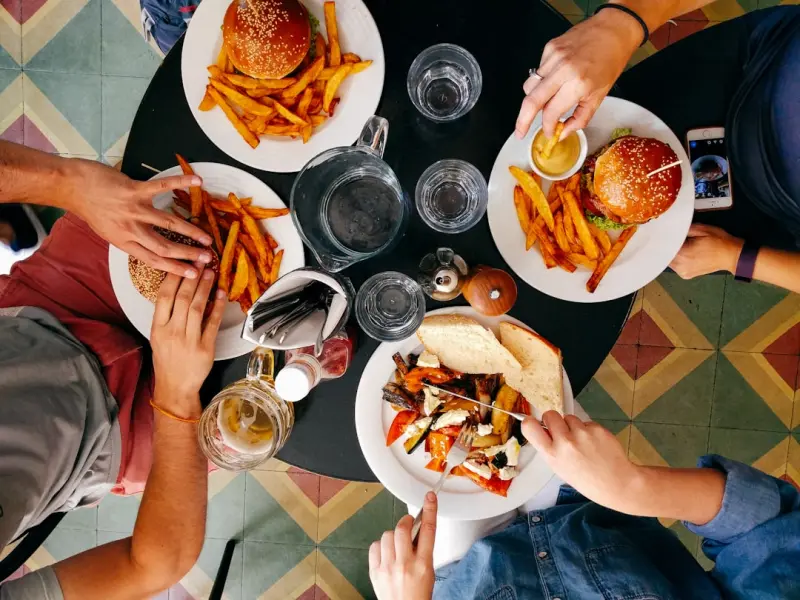
Why the Plate You’re Eating From Matters More Than You Think
When I first sat down at a dimly lit bistro and was handed a thin, matte‑black porcelain bowl, I felt an unexpected shift in anticipation—my mind already began sketching flavors before the first bite arrived. That subtle psychological nudge is no accident; the design of a plate is a silent collaborator in every culinary story, whispering cues about temperature, portion, and even the chef’s intent. Over the past decade, chefs and designers have begun treating tableware as an extension of their menu, crafting experiences where the visual and tactile qualities of a dish are as integral as its taste. In this article, I’ll walk you through the science, the artistry, and the emerging trends that prove the humble plate is a powerhouse of perception.
The Science Behind Surface and Substance
At the core of tableware influence lies material composition, which directly impacts how we perceive flavor. Studies in sensory psychology reveal that diners report brighter, more acidic notes when food is served on white ceramic compared to darker or metallic surfaces, because the contrast amplifies visual sharpness. Likewise, the thermal conductivity of stoneware can keep soups hotter longer, subtly reinforcing a sense of comfort and satisfaction. When a dish arrives on a cold glass plate, the chill can mute sweet undertones, while a warm, hand‑crafted earthenware bowl can accentuate earthiness and depth. This interplay of temperature, texture, and visual contrast is why many upscale kitchens now collaborate with material engineers to fine‑tune the “mouthfeel” of their plates before the palate even gets involved.
Color, Shape, and the Psychology of Expectation
Color is a language diners read instinctively, and plate hues act as silent signifiers that prime our taste buds. Warm colors like amber or terracotta often evoke feelings of richness and fullness, nudging guests toward savoring richer sauces, while cool blues and greens can create a perception of freshness, making salads feel crisper. The shape of a plate is equally influential: round dishes encourage a sense of unity and comfort, whereas angular plates can suggest modernity and precision, subtly framing the chef’s narrative. Even the depth of a bowl—shallow versus deep—guides portion control and influences how aromas travel to the nose, a key factor in flavor detection. By deliberately selecting colors and contours, restaurateurs can orchestrate an emotional journey that aligns with the cuisine’s story.
Beyond Aesthetics: Cultural Contexts
Plate design does not exist in a vacuum; it carries cultural weight that can either honor or alienate diners. In Japan, for example, the minimalist elegance of a lacquered lacquerware plate reflects the philosophy of “shibui,” where restraint heightens appreciation for subtle flavors. Conversely, in Mediterranean settings, vibrant, hand‑painted ceramics echo communal traditions and invite a more relaxed, convivial dining pace. Ignoring these cultural signifiers can unintentionally disrupt the guest experience, turning what was meant to be an homage into a misstep. Chefs who invest in understanding the heritage embedded in local tableware often find that their dishes resonate more profoundly, as the visual cues reinforce the culinary narrative they wish to convey.
Case Study: The Bespoke Plate Revolution at Lumen
Lumen, a boutique tasting‑menu restaurant in the heart of the city, recently unveiled a line of custom‑designed plates crafted in collaboration with a local ceramic studio. Each course arrives on a uniquely shaped vessel that mirrors the dish’s conceptual theme—an asymmetrical shard for the deconstructed beet tart, a glossy, river‑blue slab for the sea‑weed consommé. The result? Diners report a heightened sense of discovery, describing the plates as “part of the performance” rather than mere containers. By marrying the visual narrative of each plate with the flavor profile, Lumen transforms the act of eating into an immersive, multi‑layered experience. The restaurant’s success has sparked conversations across the industry, prompting many to reconsider the role of tableware in their own storytelling arsenal.
Linking Tableware to Multi‑Sensory Design
While plate design steals the spotlight, it rarely operates alone. A thoughtfully curated soundtrack can amplify the visual impact of a dish, a principle explored in the hidden power of restaurant soundtracks. When the clink of porcelain syncs with a subtle jazz riff, the dining rhythm becomes cohesive, reinforcing the chef’s intended pacing. This synergy demonstrates that the modern dining experience is an orchestrated tapestry of sight, sound, and touch, where each element reinforces the others to create a memorable moment.
How Diners Can Harness Plate Awareness
As a food lover, you don’t need a design degree to benefit from plate awareness; simple mindfulness can elevate your next meal. Start by observing the color contrast between the dish and its backdrop—does a bright garnish pop against a muted plate, or does it fade into the background? Notice the weight and temperature of the vessel; a heavy stone bowl can signal a heartier fare, while a lightweight glass plate often precedes a delicate composition. By consciously aligning your expectations with these cues, you unlock a deeper appreciation for the chef’s intention and may even discover new flavor nuances you’d otherwise miss.
Future Trends: Smart Plate Technology
The next frontier in tableware is the integration of smart technology, where plates can communicate temperature, portion size, and even nutritional data to a diner’s smartphone. Early adopters are experimenting with subtle LED edges that change hue to indicate the optimal eating temperature, or embedded sensors that alert servers when a dish has cooled beyond its ideal window. This blend of tradition and tech promises to keep the plate at the forefront of the dining conversation, ensuring that its role evolves alongside culinary innovation. For a glimpse into how restaurants are already redefining experiences, see the digital renaissance for an inspiring look at immersive technology in fine dining.
Conclusion: The Plate as the Unseen Protagonist
In an era where chefs are celebrated as auteurs and menus are crafted like novels, the plate remains the silent protagonist that guides, frames, and sometimes even rewrites the story on the table. By understanding the psychology behind material, color, and shape, both restaurateurs and diners can appreciate the full depth of the culinary performance. The next time you lift a spoon, take a moment to thank the humble vessel that made the experience possible—it’s more than a dish holder; it’s a catalyst for flavor, memory, and emotion.

When it comes to the world of blogging and writing, Rose DesRochers is a name that stands out. Her passion for creating quality content and connecting with her audience has made her a trusted voice in the industry. Aside from her skills as a writer and blogger, Rose is also known for her compassionate nature.
Related Posts
When a Restaurant Becomes a Storytelling Stage
Discover the art of narrative dining, where chefs craft each course like a chapter, turning meals in... Read More
The Rise of Storytelling on the Plate: A Restaurant Lover’s Perspective
Discover how restaurants are turning meals into immersive stories, blending flavor, culture, and tec... Read More

When the Line Becomes Part of the Meal: Redefining Restaurant Wait Times
Explore the innovative ways eateries turn queues into immersive pre‑meal rituals, using design, te... Read More
Top Posts
AI‑Powered Personalization: How Restaurants Tailor Menus to Every Palate
Explore the rise of AI-driven menu personalization, its benefits for diners and kitchens, and the future of tech‑enhanced hospitality....Read More
Beyond the Kitchen Door: How Ghost Kitchens Are Reshaping the Restaurant Landscape
Ghost kitchens are silently reshaping how we eat, blending high‑tech efficiency with culinary creativity. Dive into their rise, impact on local scenes, and wh...Read More

The Hidden Art of Curated Guest Journeys in Top Restaurants
Discover how top restaurants turn each visit into a personalized story—through secret menus, chef’s tables, artistic walls, and data‑driven touches—that...Read More
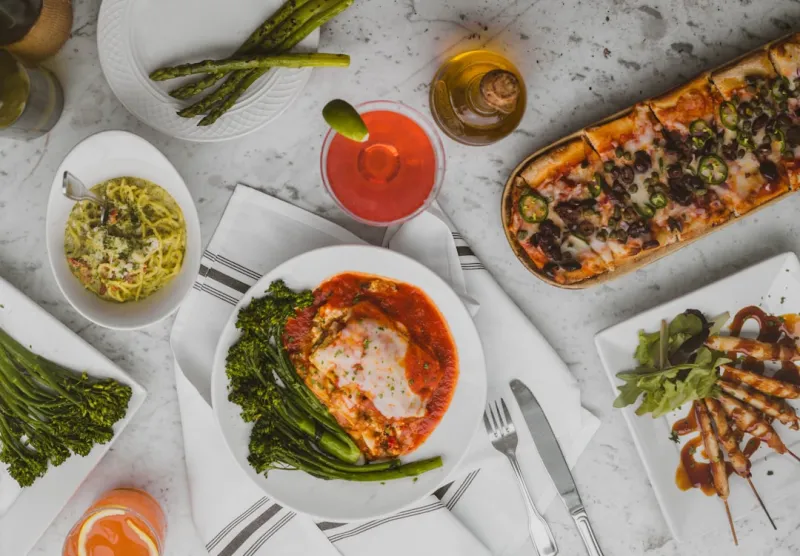
Best Restaurants That Turn Meals Into Stories
Discover restaurants that turn meals into narratives, offering unforgettable flavors, atmosphere, and stories on every plate....Read More
0 Comments
Post Comment
You will need to Login or Register to comment on this post!