

The Flavor‑First Wave Sweeping 2024
When I first stepped into a downtown bistro this spring, the scent of smoked rosemary mingled with the low hum of a live jazz trio, and I realized we’re living through a flavor‑first renaissance. Restaurants are no longer content with merely serving food; they’re curating experiences that begin the moment you walk through the door. This shift feels personal to me because every bite I take now tells a story—whether it’s a farmer’s market heritage, a diaspora’s journey, or a chef’s daring experiment. I’ve spent months wandering from pop‑up kitchens in alleyways to Michelin‑starred rooms with kinetic art installations, and each stop confirmed that diners crave authenticity as much as they crave taste. In my recent piece, my 2024 Restaurant Renaissance, I chronicled this exact evolution, noting how the narrative thread has become the backbone of a successful menu.
Storytelling on the Plate
Imagine a dish that arrives on a reclaimed wooden board, accompanied by a handwritten note about the soil where the heirloom carrots were grown. That’s the new norm, and it’s a beautiful rebellion against the anonymity of fast‑food culture. Chefs now act as historians, weaving local lore into each plating, and I find myself listening intently to their anecdotes, savoring not just the flavors but the context behind them. The rise of “origin menus” has turned diners into participants in a culinary story, prompting questions like, “Who harvested this grain?” or “What tradition does this spice honor?” It’s a dialogue that deepens loyalty and makes each reservation feel like a VIP pass to a secret society. As I noted while tasting at a rooftop garden in Portland, the chef’s explanation of a fermented beet terrine added layers of meaning that lingered far longer than the palate could retain.
Meanwhile, my colleague Becky Putman has been charting a similar course, but from a slightly different angle. Her deep dive into the trend is captured in Becky Putman's Flavor‑First Exploration, where she emphasizes how storytelling can boost a restaurant’s social media traction. When a dish is Instagram‑ready and narratively rich, it becomes shareable content that fuels word‑of‑mouth marketing. I’ve observed that the most buzzworthy plates are those that invite guests to post a photo and a caption that tells the restaurant’s story in one swipe. This symbiosis between narrative cuisine and digital amplification is reshaping how we discover and decide on our next meal.
Sustainability Meets Design
Beyond story, sustainability has become a design principle that informs everything from the building’s architecture to the menu’s composition. I recently dined at a reclaimed‑brick eatery where the lighting fixtures are repurposed vintage bicycles, and the menu changes with the season’s bounty, reducing waste and supporting local farms. Such spaces feel alive, breathing in the ethos of the community they serve. The commitment to low‑impact practices is no longer a marketing gimmick; it’s a core value that diners, especially younger generations, expect as a baseline. When a restaurant transparently shares its carbon‑footprint data on the back of the menu, it earns my trust instantly.
In addition to environmental stewardship, these venues are experimenting with circular economies. One chef I visited turned kitchen scraps into a fermented hot sauce that now stars on the cocktail menu, turning waste into a revenue stream. The creativity involved in these upcycled elements reminds me of the alchemy of storytelling—both transform the ordinary into something memorable. I’ve started to notice that establishments that integrate sustainability into their narrative often receive higher accolades from critics and locals alike, proving that eco‑consciousness can be a powerful brand differentiator.
Tech‑Savvy Tables and the Future of Service
Technology, once the domain of sleek sushi bars, has now infiltrated even the most rustic farm‑to‑table spots. QR‑code menus that adapt to dietary preferences, AI‑driven wine pairings, and tabletop tablets that let you customize cooking temperatures are now commonplace. While I’m a purist at heart, I appreciate how these tools free chefs to focus on creativity rather than repetitive order‑taking. During a recent brunch in Austin, I tapped a tablet to adjust the spice level of my shakshuka in real time, and the kitchen responded instantly—no miscommunication, just a seamless interaction.
The real magic happens when tech enhances, rather than replaces, human connection. Some restaurants employ augmented reality to project the story of each ingredient onto the plate, turning a simple entrée into an immersive lesson. Others use data analytics to predict peak traffic and adjust staffing, ensuring that service remains attentive even during rush hour. As I walk through these high‑tech yet warm environments, I’m reminded that the future of dining is a hybrid—where the tactile joy of a handcrafted dish meets the efficiency of digital tools, creating a frictionless yet emotionally resonant experience.
Where to Go Next: My Curated Picks
If you’re ready to explore the pulse of 2024’s dining scene, I’ve compiled a short list of must‑visit spots that embody the trends I’ve described. First, a coastal bistro in Seattle that pairs seaweed‑infused cocktails with narratives about indigenous marine stewardship; second, a desert oasis in New Mexico where the chef’s “story board” menu changes monthly based on community submissions; and third, a downtown loft in Chicago where the kitchen operates entirely on solar power, and each dish is accompanied by a short video of the farmer who grew the produce. These venues are not just restaurants; they are living museums of flavor, sustainability, and innovation. I encourage you to book a table, engage with the staff, and let the stories unfold on your palate. Your next meal could be the chapter that redefines how you think about food forever.

When it comes to the world of blogging and writing, Rose DesRochers is a name that stands out. Her passion for creating quality content and connecting with her audience has made her a trusted voice in the industry. Aside from her skills as a writer and blogger, Rose is also known for her compassionate nature.
Related Posts

Data‑Driven Personalization: Crafting Menus That Know You Better Than You Know Yourself
Explore the rise of data‑driven personalization in restaurants, from tech behind the scenes to rea... Read More
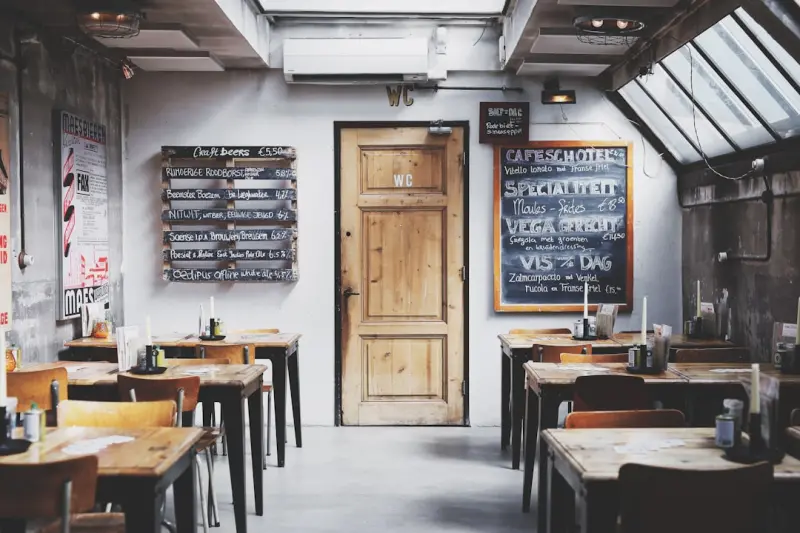
The Pop‑Up Revolution: How Temporary Restaurants Are Redefining Culinary Adventure
Discover why pop‑up eateries are the hottest trend, offering seasonal storytelling, community‑cr... Read More
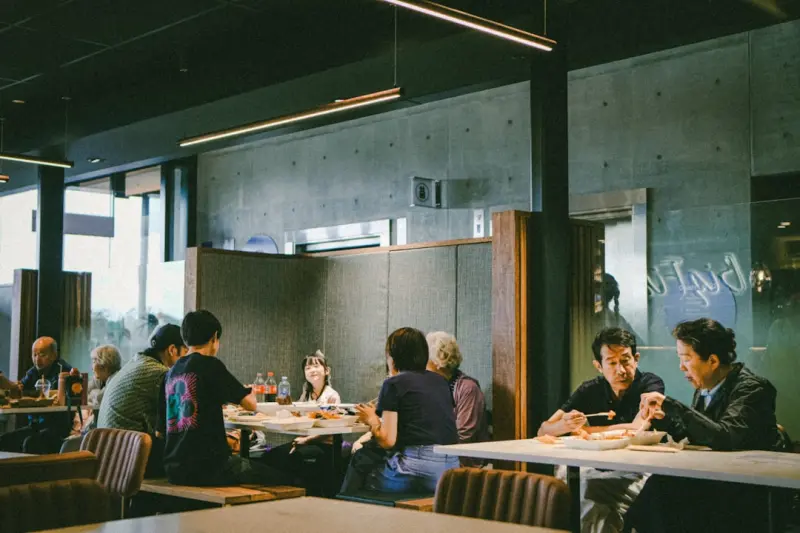
Collective Dining: How Crowdfunded Restaurants Are Redefining the Meal Experience
Discover the rise of crowdfunded eateries where diners become stakeholders, vote on menus, and help ... Read More
Top Posts
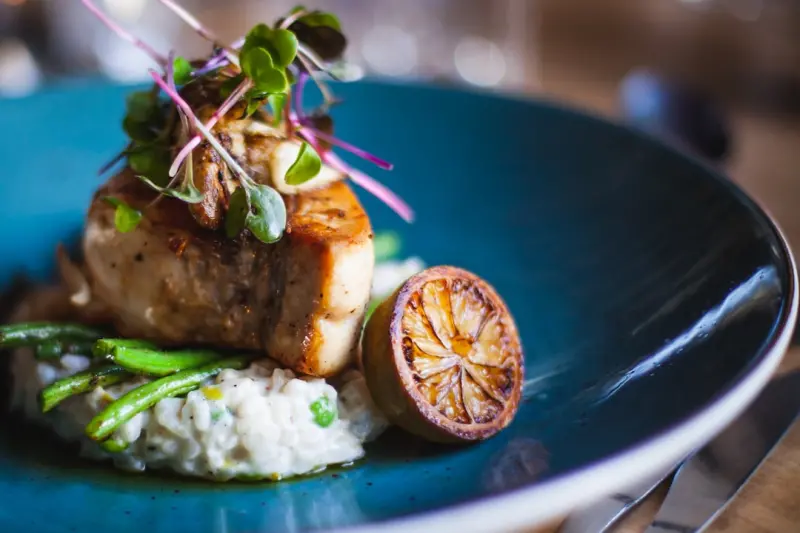
When Fine Dining Becomes a Storytelling Adventure
Fine dining isn’t just food; it’s a narrative adventure where each course, plate, and sip tells a story, turning meals into unforgettable literary experienc...Read More
The Secret Systems That Make a Restaurant Truly Great
Explore how invisible engines, people power, and continuous feedback shape the restaurants that consistently deliver unforgettable dining experiences....Read More
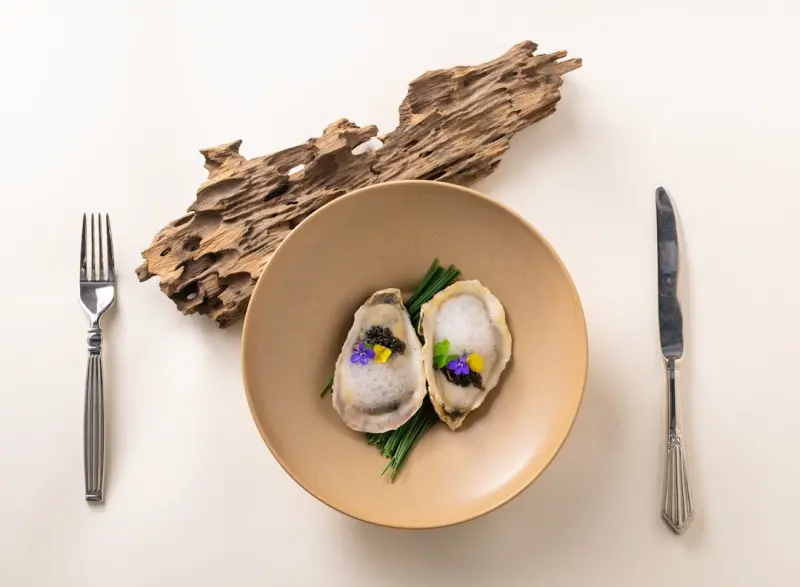
The Art of Dining: How Restaurants Turn Meals Into Stories
Discover why today’s dining scene feels like storytelling, with chefs designing menus that read like novels and plates that unfold like plots....Read More
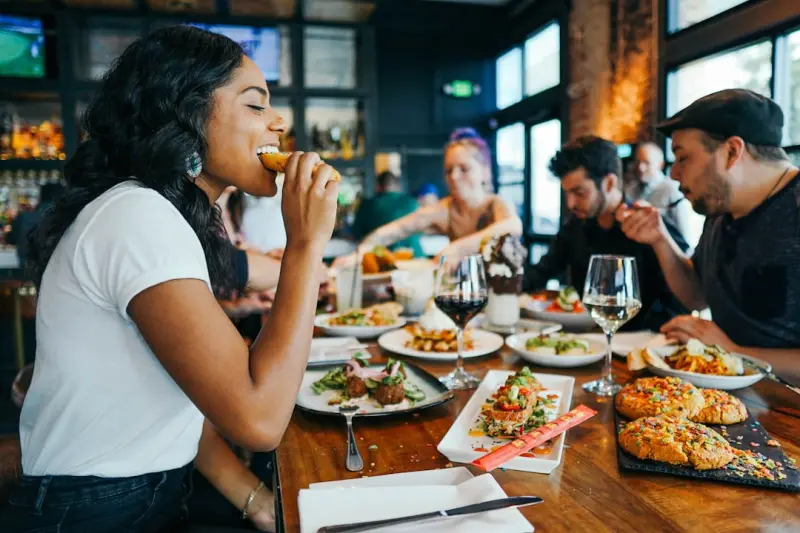
Al Fresco Evolution: How Restaurants Are Reimagining Outdoor Dining
Discover the rise of outdoor dining as restaurants redesign patios, rooftops, and pop‑ups, blending sustainability, tech, and hospitality to create unforgetta...Read More
0 Comments
Post Comment
You will need to Login or Register to comment on this post!